Route 40 Patagonia: The Complete Road Trip Guide (Road Conditions, Stops & Best Time to Go)
Route 40 in Patagonia: Complete Guide (Road Conditions, Best Stops, and When to Go)
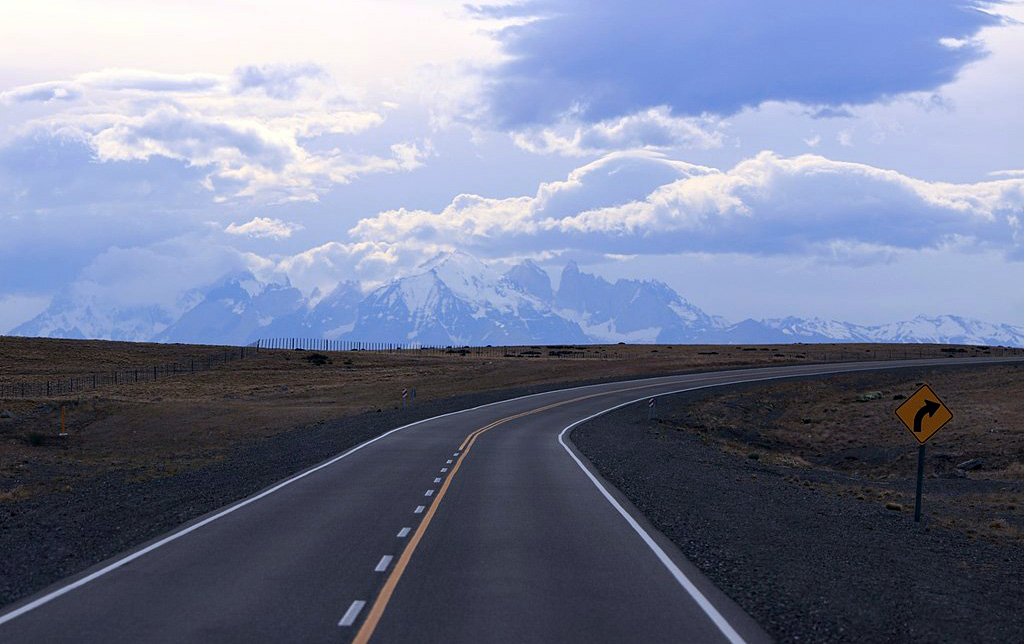
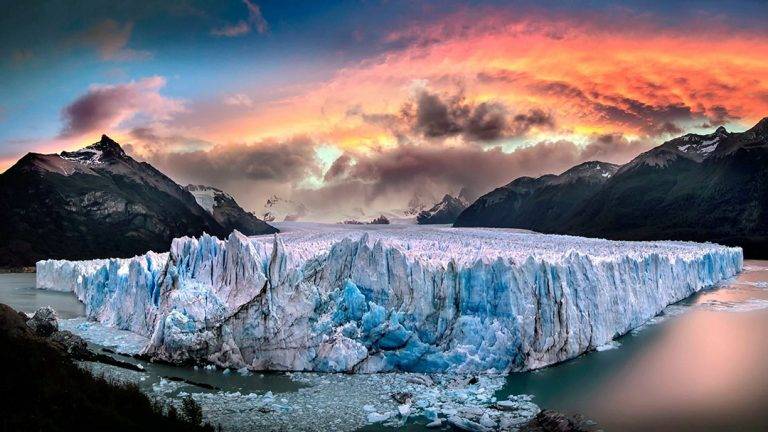
The Route 40 Patagonia is one of the most legendary road trips in the world: over 1,400 km parallel to the Andes, with glaciers, Mount Fitz Roy, Perito Moreno Glacier, Cueva de las Manos, and some of the emptiest roads on the planet. National Route No. 40 — officially named “Libertador General Don José de San Martín” — is the longest in Argentina: 5,194 km crossing 11 provinces from south to north, from Cabo Vírgenes in Santa Cruz to La Quiaca on the border with Bolivia, reaching almost 5,000 meters in altitude at the Acay pass in Salta. In this guide, we focus on the Patagonian section, which is also the most stunning.
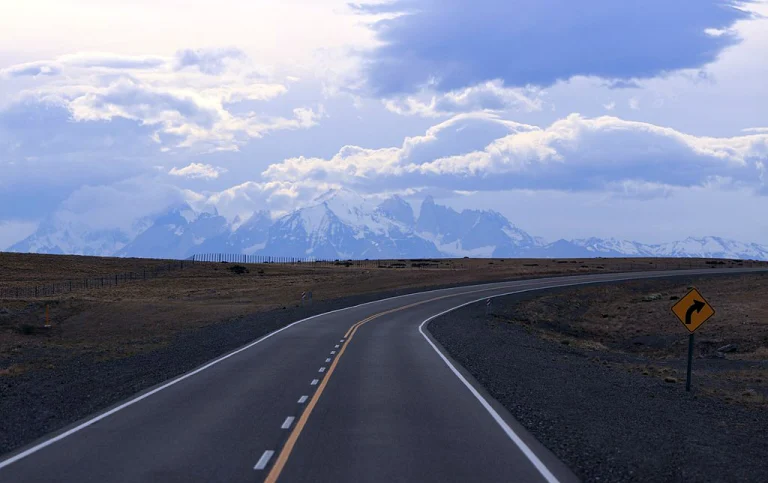
Is Route 40 Patagonia Paved or Gravel?
This is the question every traveler asks before planning the route. The honest answer is: it depends on the section.
Traffic on this road is very light — averaging less than 1,000 vehicles per day outside tourist sections —
and paving has advanced significantly since the 2000s, especially in Santa Cruz.
Even so, important gravel sections remain in the center of the province.
Section
Province
Condition
Bariloche → El Bolsón → Esquel
Río Negro / Chubut
✅ Paved
Esquel → Río Mayo
Chubut
✅ Mostly paved
Río Mayo → Perito Moreno (town)
Santa Cruz
⚠️ Mixed (paved + gravel)
Perito Moreno → Bajo Caracoles
Santa Cruz
🔴 Gravel ~250 km
Bajo Caracoles → Tres Lagos
Santa Cruz
⚠️ Mixed
Tres Lagos → El Chaltén
Santa Cruz
✅ Paved
El Chaltén → El Calafate
Santa Cruz
✅ Paved
Important for winter: In vast areas of Patagonia, the road is interrupted by snow during the months of July to September. Northern rivers can also swell in summer and interrupt the route where no bridges have been built. Always check the road conditions at local police stations or on National Roads before tackling the gravel sections.
How Many Days Do You Need to Drive Route 40 Patagonia?
The Patagonian section (Bariloche to El Calafate, ~1,400 km) can be driven in 4-5 days of pure driving.
But that would waste the trip. A realistic estimate:
Minimum (just the essentials): 7 days
Recommended (with hikes and detours): 10 to 14 days
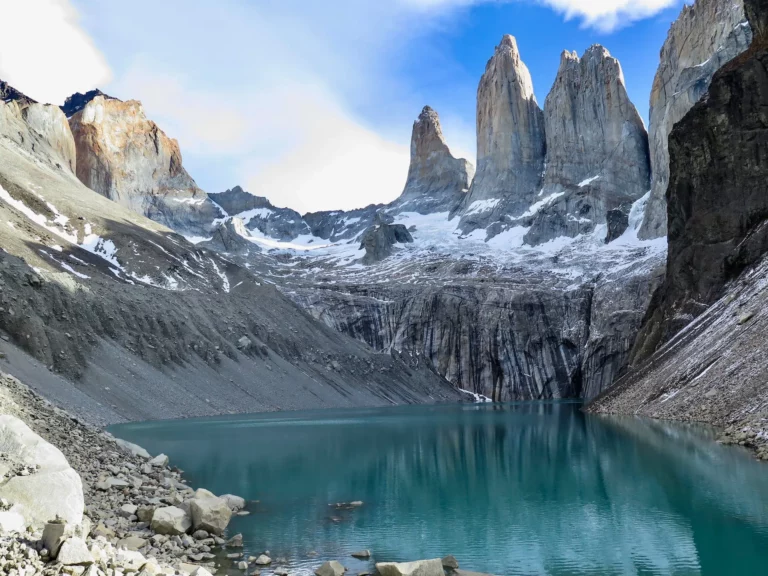
If combining with Torres del Paine in Chile: 14 to 21 days
The main time consumers are: El Chaltén (minimum 2–3 days for the Fitz Roy hikes), El Calafate (1–2 days for Perito Moreno Glacier), and the detour to Cueva de las Manos (half a day, but worth every kilometer). Additionally, the gravel sections in Santa Cruz significantly reduce your average speed.
Route 40 and Tourism
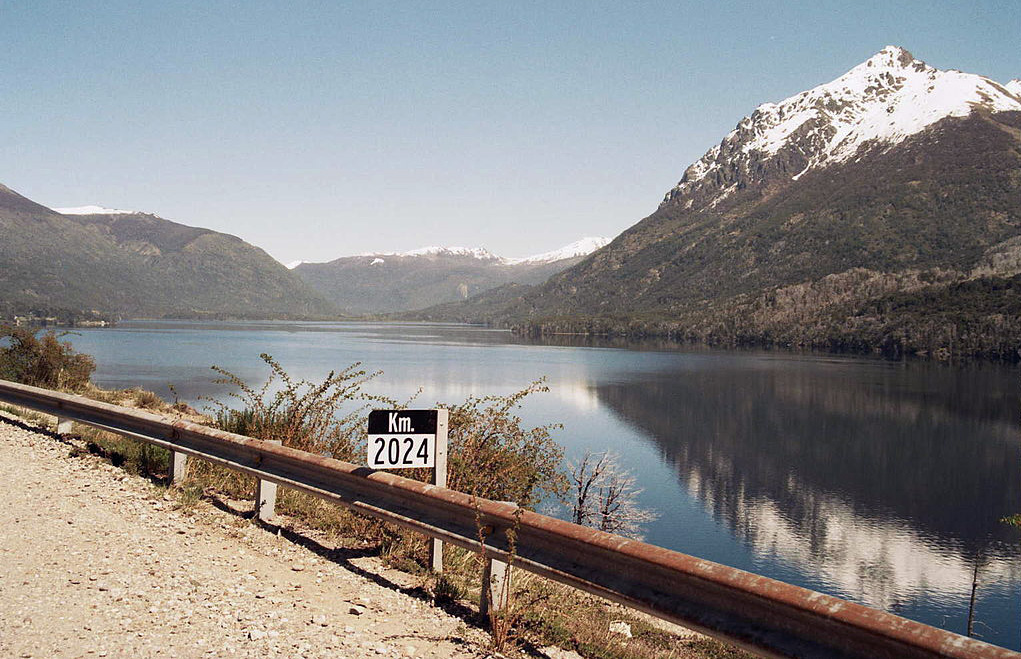
The National Secretariat of Tourism of Argentina promoted the development of this route to boost national and international tourism in western Argentina. As a result of that decision, the National Roads Directorate changed the nomenclature and kilometer markers to unify the former North Route 40 and South Route 40 in the city of Mendoza. The official Route 40 website publishes tourist information about the regions along this route. The Secretariat of Tourism presented an interactive CD titled National Route 40: Argentina Invites, 5000 km to Discover, and in 2008 a seminar on National Route 40 was held in the city of San Rafael, Mendoza, featuring various presentations on the road works to be carried out and the tourist attractions along the route.
Traffic
Traffic on this road is very light, averaging fewer than 1,000 vehicles per day, except on two sections: the tourist road between El Bolsón and San Carlos de Bariloche, in Río Negro Province, and between Pareditas, in Mendoza Province, and San Juan City. The town of Pareditas is a mandatory passage for vehicle transport between the cities of Mendoza and San Rafael.
Except for the sections mentioned, circulation is seasonal, as in vast areas of Patagonia the road is interrupted by snow during the winter season, from July to September. The rivers that cross the route in the north of the country experience major floods in the summer months, interrupting the road in areas where no bridges have been built.
The Patagonian Route: Province by Province
Since construction began in 1935, the route has changed its alignment several times, with little paving work until it received a boost in the 2000s, positioning itself as a national tourist product — somewhat following the example of the United States’ Route 66.
Below we describe the most important tourist zones from south to north, with towns in each province and their reference maps.
Santa Cruz Province
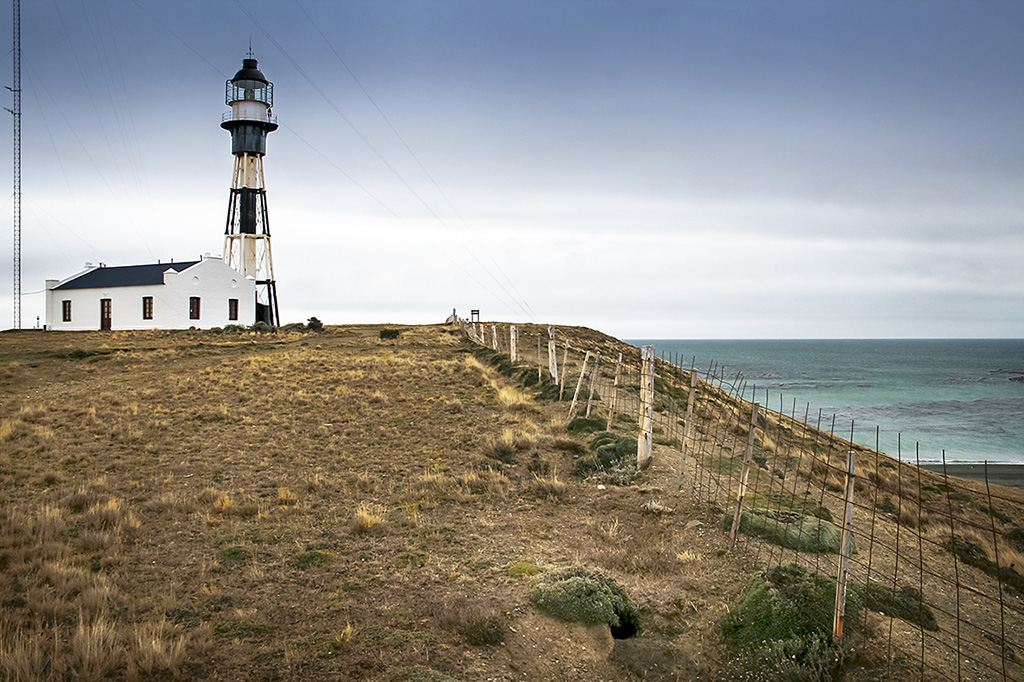
The road begins at the lighthouse located at Cabo Vírgenes, on the Santa Cruz coast, from which the Strait of Magellan can be seen.
It is the southeasternmost point of the continental Atlantic coast of the Americas.
After crossing the provincial capital, Río Gallegos (overlapping with RN 3 for 35 km), it heads west through the Gallegos River valley to Río Turbio and then north.
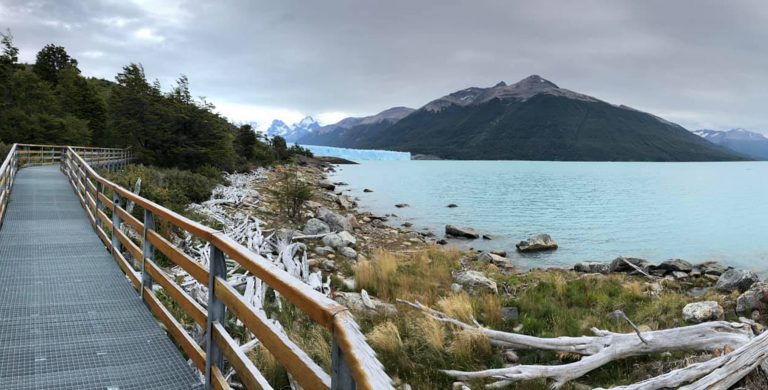
Upon reaching Lake Argentino, the route passes 32 km from El Calafate, the gateway to Los Glaciares National Park, which includes Perito Moreno Glacier. Further north, it skirts Lake Viedma and Lake Cardiel until reaching Bajo Caracoles, where a 42 km dirt road (RP 97) leads to Cueva de las Manos — cave paintings nearly 10,000 years old, a UNESCO World Heritage Site. Finally, it crosses the town of Perito Moreno to the border with Chubut.
The start of Route 40 at the Cabo Vírgenes lighthouse, administered by the Argentine Navy since 1904. Photo: Julio Viard.
Towns in the Santa Cruz section:
Güer Aike Department: Punta Loyola (km 100), Río Gallegos (km 134-135), Rospentek Aike (km 376), Veintiocho de Noviembre (km 390), and Esperanza.
Lago Argentino Department: access to El Calafate (km 594).
Río Chico Department: access to Gobernador Gregores (km 891).
Lago Buenos Aires Department: Perito Moreno (km 1251).
Chubut Province
In Chubut, Route 40 runs through the west of the province, crossing towns such as Río Mayo, Gobernador Costa, and Tecka.
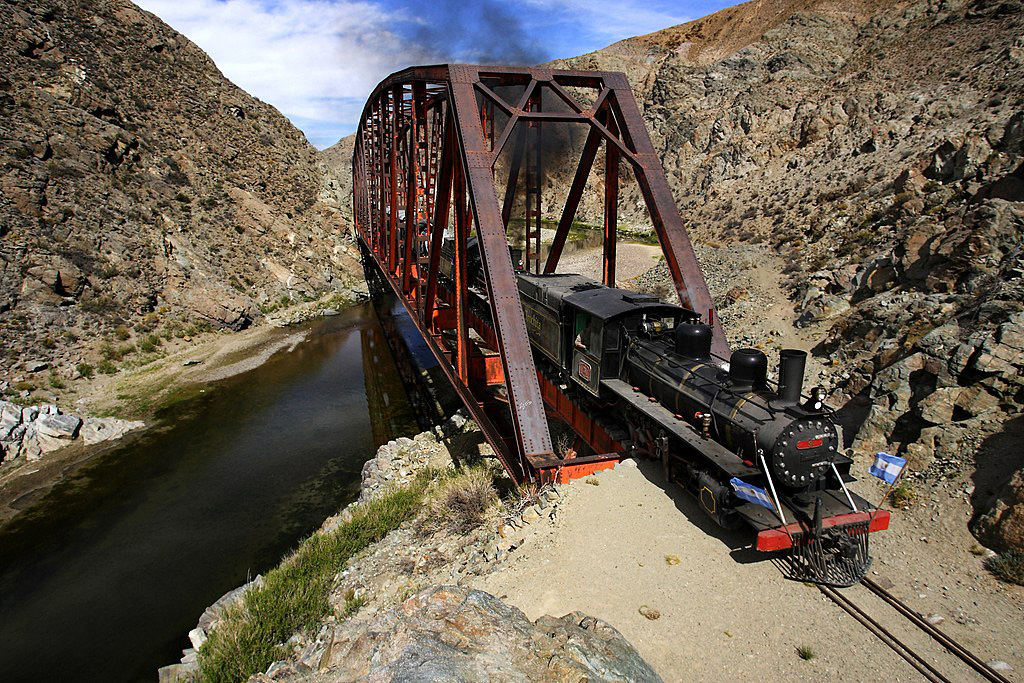
The star destination of this section is Esquel: a tourist town, terminal of the La Trochita railway (the Old Patagonian Express), and gateway to Los Alerces National Park (UNESCO World Heritage Site since 2017), home to alerce trees up to 2,600 years old.
Further north, almost on the border with Río Negro, the route passes 5 km from Lago Puelo, next to Lago Puelo National Park.
Towns in the Chubut section:
Río Senguer Department: Río Mayo (km 1362).
Tehuelches Department: access to José de San Martín (km 1590) and Gobernador Costa (km 1594).
Languiñeo Department: Tecka (km 1676).
Futaleufú Department: access to Esquel (km 1763).
Cushamen Department: access to Epuyén (km 1866), El Hoyo (km 1901), and access to Lago Puelo (km 1907).
Río Negro Province
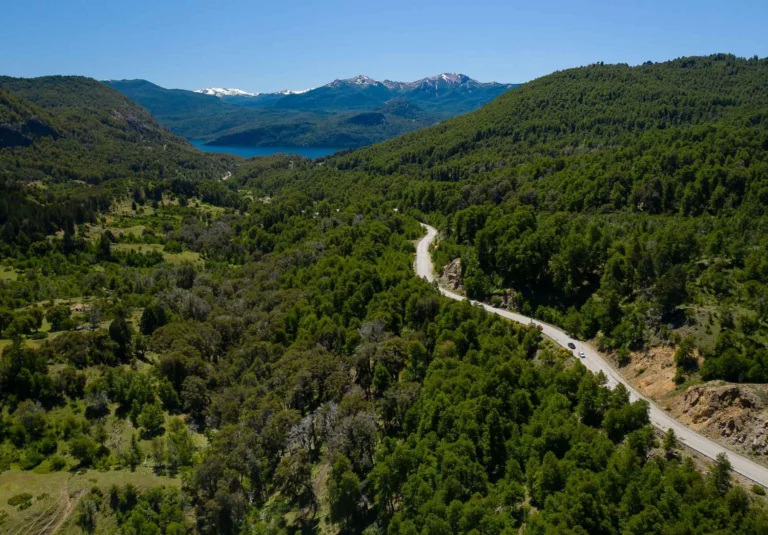
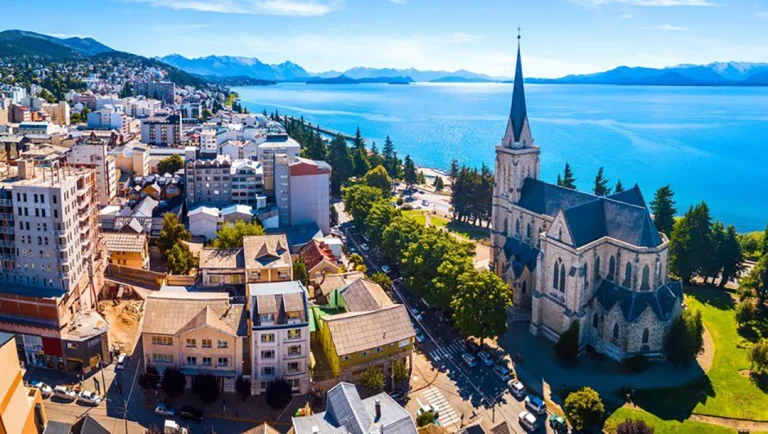
With the Andes mountain range always in view, Route 40 continues north, passing through El Bolsón and then San Carlos de Bariloche, the most visited city in Argentine Patagonia. In the town of Río Villegas is the entrance to Nahuel Huapi National Park; in Villa Mascardi, the access to Cerro Tronador. To be precise: the route does not enter downtown Bariloche but runs along an outer bypass built in the 2000s. The last town it crosses in this province is Dina Huapi, on the shores of Lake Nahuel Huapi.
Lake Gutiérrez in Río Negro Province, one of the landscapes of the northern section.
Towns in the Río Negro section:
Bariloche Department: El Bolsón (km 1914–1916) and San Carlos de Bariloche (km 2031–2046).
Pilcaniyeu Department: Dina Huapi (km 2054).
Neuquén Province
In Neuquén, after crossing the Limay River, the route continues towards Villa La Angostura and reaches the famous Road of the Seven Lakes (now the Walk of the Nine Lakes), within Lanín National Park. It continues north through the beautiful city of San Martín de los Andes and then Junín de los Andes, Zapala, and Chos Malal. In the town of Barrancas is the Colorado River, the natural border with Mendoza, the point where the Patagonian section ends.
Route 40 and Tourism in Argentina
The National Secretariat of Tourism promoted the development of this route to boost national and international tourism in western Argentina.
As a result of that decision, the National Roads Directorate changed the nomenclature and kilometer markers to unify the former North Route 40 and South Route 40 in the city of Mendoza.
In 2008, a national seminar was held in San Rafael with presentations on the planned works and tourist attractions along the route.
Via Route 40, you can access destinations as diverse as El Calafate and Perito Moreno Glacier, Esquel, El Hoyo, Lago Puelo, El Bolsón, Bariloche, Villa La Angostura, San Martín de los Andes, Junín de los Andes, the Wine Route in Mendoza and San Juan, dinosaur fossil sites, hot springs in Catamarca, the Quilmes Ruins, the Calchaquí Valleys, the world’s highest vineyards in Cafayate, the La Polvorilla Viaduct of the Train to the Clouds, and the Puna.
History, Culture, and Feats on Route 40
Sports milestone: the ultramarathoner of Route 40
From August 17 to December 2, 2015, 40-year-old ultramarathoner Rodolfo Rossi ran the entire Route 40 — from La Quiaca to Cabo Vírgenes — in 107 days, averaging 50 km per day.
He continued on Route 3 to reach Ushuaia on December 8, successfully uniting Argentina from north to south by running.
He was the first man in history to do so. He was accompanied by a support team of seven people, and thousands of people joined to run sections along the route.
Since 2010, the Desafío Ruta 40 has been held annually along the route — part of the FIA World Rally Cross-Country Championship — establishing it as one of the most demanding rally competitions on the continent.
Route 40 in Argentine Culture
In 1998, Catalan writer Enric Soler i Raspall published Per la ruta 40: a través de la Patagònia de Bruce Chatwin (Along Route 40: Through Bruce Chatwin’s Patagonia), recounting his trip following in the footsteps of Bruce Chatwin 22 years later.
In 2004, the film The Motorcycle Diaries, based on the diaries of Che Guevara and Alberto Granado, covers several sections of this route.
In 2006, the Argentine band La Renga composed the song “Ruta 40”, included on the album Truenotierra.
In 2011, the documentary series “La 40”, directed by Pepe Tobal, premiered, covering the entire route in a 1961 Mercedes Benz 1114 bus with a group of traveling musicians.
In Conclusion
Driving Route 40 is much more than a trip: it’s a journey through the soul of Argentina, passing through unforgettable landscapes, historic towns, and unique corners waiting to be discovered.
Whether you plan the entire Patagonia section or just a segment, this route guarantees an authentic and transformative experience.
Have you already driven it? Share your experience in the comments and keep exploring our articles on Patagonia tourism to plan your next getaway.
Frequently Asked Questions about Route 40 in Patagonia
Is Route 40 in Patagonia paved or gravel?
It is a combination of both. The northern sections (Bariloche area) and southern sections (El Chaltén and El Calafate) are completely paved.
The central section in Santa Cruz — especially between the town of Perito Moreno and Tres Lagos (~250–400 km) — has long gravel sections.
See the condition table by section above.
Do I need a 4×4 to drive Route 40?
It is not strictly necessary, but it helps. A standard car can travel the main section, including the gravel sections, at reduced speed.
A high-clearance or 4×4 vehicle is recommended if you plan detours to remote areas like Patagonia National Park or Perito Moreno National Park.
Always check that the rental contract covers unpaved roads — many do not.
How many days do I need to drive Route 40 in Patagonia?
Plan for a minimum of 7 days (without stopping too much) and 10 to 14 days for a comfortable pace with hikes and detours.
The biggest time consumers are El Chaltén (2-3 days for Mount Fitz Roy) and El Calafate (1-2 days for Perito Moreno Glacier).
What is the best time of year to drive Route 40?
From October to April. December to February is high season (heat, crowds, high prices).
October–November and March–April offer the best balance: good weather, fewer tourists, and lower prices.
Avoid June–August: snow can make gravel sections dangerous or impassable.
Is it better to go north to south or south to north?
Both directions work well. Most choose north to south (Bariloche → El Calafate), as Bariloche has more flights from Buenos Aires.
Starting in El Calafate and driving north is also valid if you want to end in the Lake District.
Where can I refuel on Route 40?
Gas stations can be 150 to 300 km apart in the central section of Santa Cruz.
Key refueling points are: Perito Moreno (town), Gobernador Gregores, Tres Lagos, and Bajo Caracoles (limited stock, don’t rely solely on it).
Always carry an extra jerry can for the most remote stretches.