Route of the Seven Lakes: Now the Walk of the Nine Lakes (Complete 2026 Guide)
The historic Route of the 7 Lakes —one of the most iconic drives in Argentine Patagonia— is changing its name and dimensions. The Government of Neuquén is promoting its transformation into the Walk of the 9 Lakes, incorporating two new bodies of water: Lake Meliquina and Lake Lolog. In this guide you will find everything you need to plan your visit: what to see at each lake, when to go, how to get there, and the best tips for travelers.
📌 Quick facts about the route
- 📍 Route: San Martín de los Andes → Villa La Angostura (+ extensions to Meliquina and Lolog)
- 📏 Distance: ~110 km (traditional route) | ~160 km with the two new lakes
- 🗺️ Roads: RN 40 (main section) + RP 62 (Lake Lolog) + RP 63 (Lake Meliquina)
- ⏱️ Recommended time: 1 day for the classic section | 2-3 days to do the complete route
- 📅 Best season: November to April | Autumn (March-April) for the colors
- 🚗 Road condition: Main paved section. The extensions to Meliquina and Lolog have gravel sections (in the process of being paved)
- 💰 Tolls: There are no tolls on this section of RN 40
The 9 Lakes: What to See at Each One
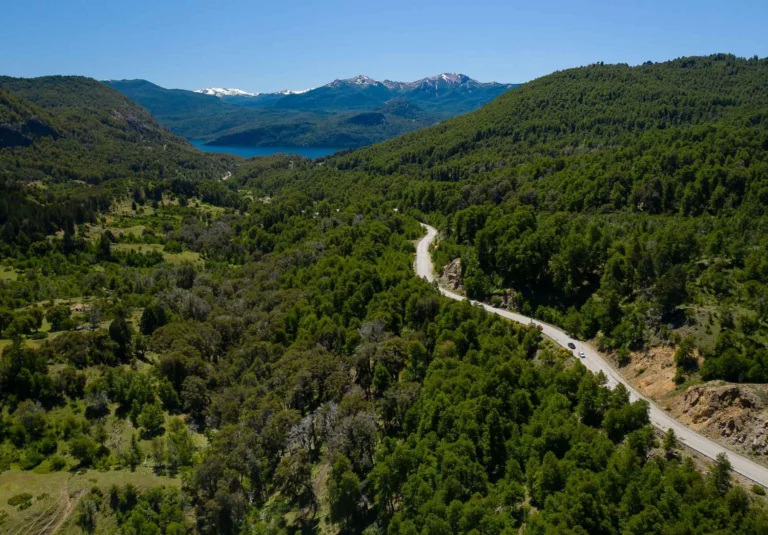
The route winds through Andean-Patagonian forests, imposing mountains, and bodies of water with unique shades of blue and green. Here is each lake on the circuit, in order from San Martín de los Andes southward:
1. Lake Machónico
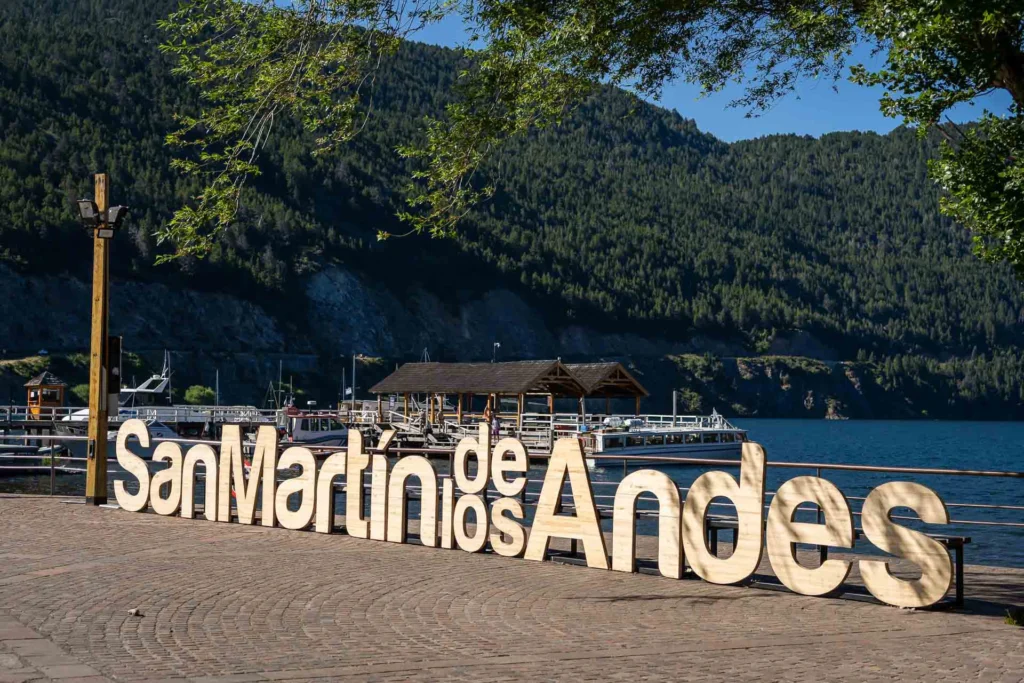
30 kilometers from San Martín de los Andes, Lake Machónico impresses with its dark, almost opaque blue waters. You cannot access the shores directly, but a wide viewpoint by the roadside allows you to contemplate its full grandeur. It is the first lake you encounter when leaving San Martín, the perfect start to the route.
2. Lake Falkner
With wide sandy beaches stretching along the road, Lake Falkner is the route’s favorite rest stop. It is sheltered from the wind and located practically in the middle of the route, making it the quintessential picnic spot for travelers. It is also frequented by local residents on weekends.
3. Lake Villarino
A small river connects Lake Villarino with Lake Falkner —they are separated by just a narrow isthmus. Located about 50 kilometers from San Martín de los Andes, it is framed by a dense forest of coihue trees and mountain ranges that give it a setting of particular beauty.
4. Lake Escondido
One of the most photogenic on the route: its waters are an intense green that strongly contrasts with the surrounding coihue forest. Very close by, the road descends to Pichi Traful. The name suits it perfectly: it is hard to distinguish from the road until it suddenly appears.
5. Lake Correntoso
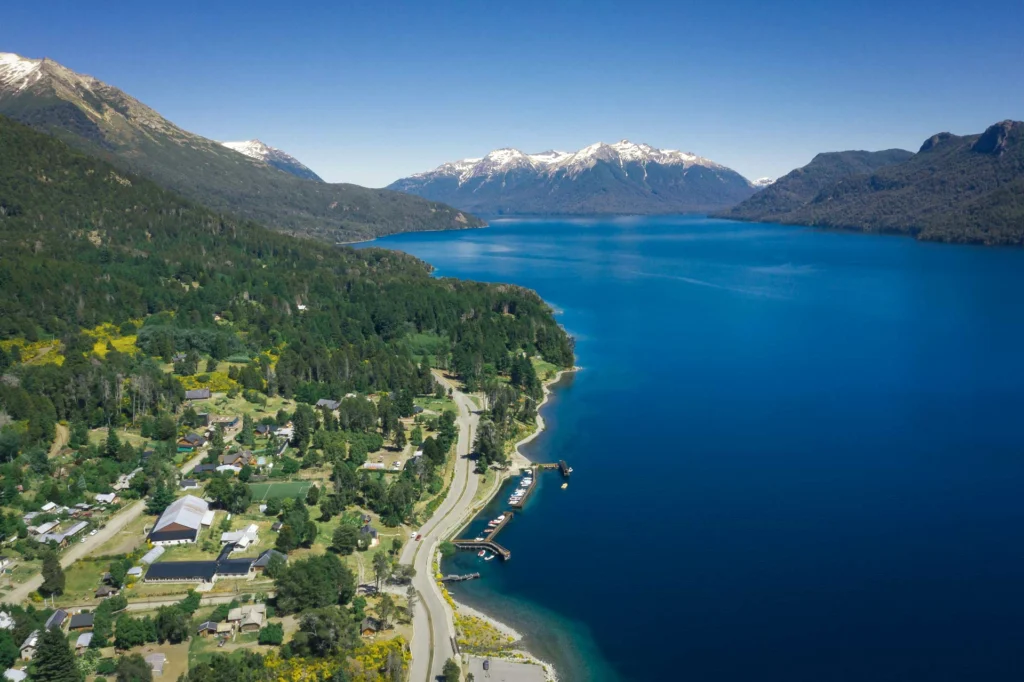
85 km from San Martín de los Andes, Lake Correntoso is the largest of the seven original lakes on the circuit. Near Villa La Angostura, it connects with Lake Nahuel Huapi, forming the Correntoso River, considered one of the shortest rivers in the world and a paradise for sport fishing of trout and salmon.
6. Lake Espejo
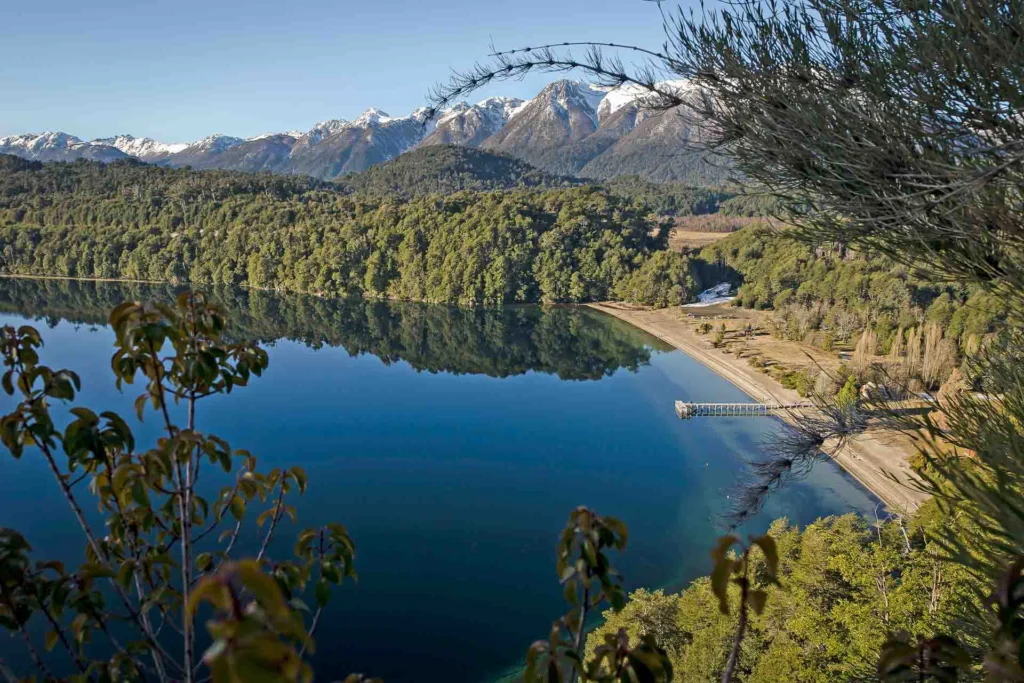
With calm waters, sheltered from the wind, and of large dimensions. Its viewpoints offer panoramic views that perfectly justify the name: the reflection of the snow-capped mountains in its waters is almost perfect. 12 kilometers from Villa La Angostura, it is ideal for water sports, kayaking, and family recreation.
7. Lake Nahuel Huapi
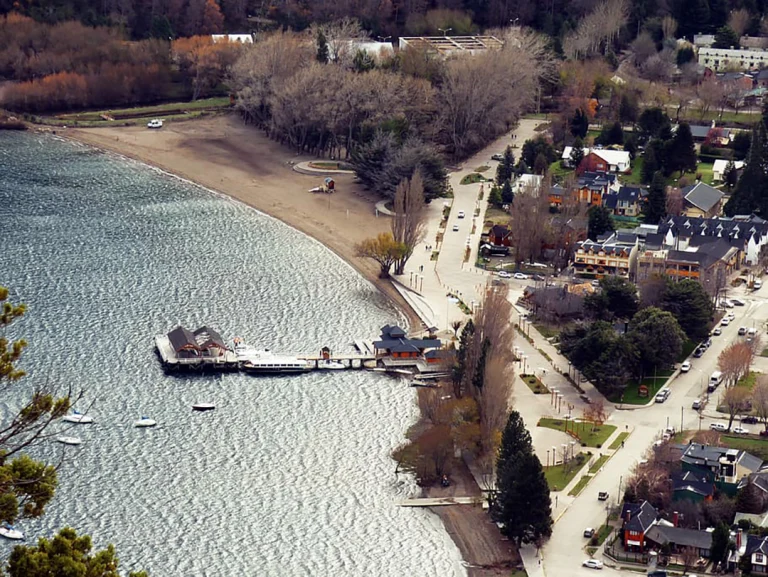
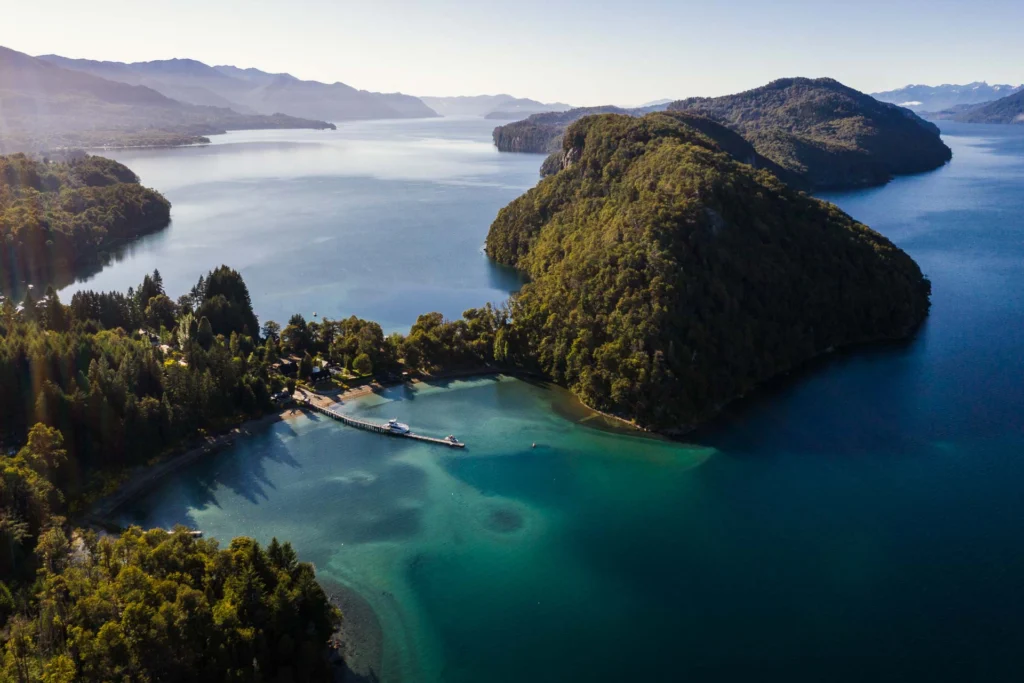
The classic route ends in Villa La Angostura, on the shores of the imposing Lake Nahuel Huapi, between the Inacayal, Bayo, and Belvedere hills. In winter you can ski at Cerro Bayo; in summer, the offer of kayaking, sailing, diving, and adventure tourism is enormous. From Villa La Angostura you can continue to Bariloche, just 80 km away by paved road.
The 2 New Lakes of the Expanded Circuit
With the expansion promoted by the Government of Neuquén, the circuit incorporates two new bodies of water accessible via secondary roads from the main section of RN 40:
8. Lake Meliquina (new)
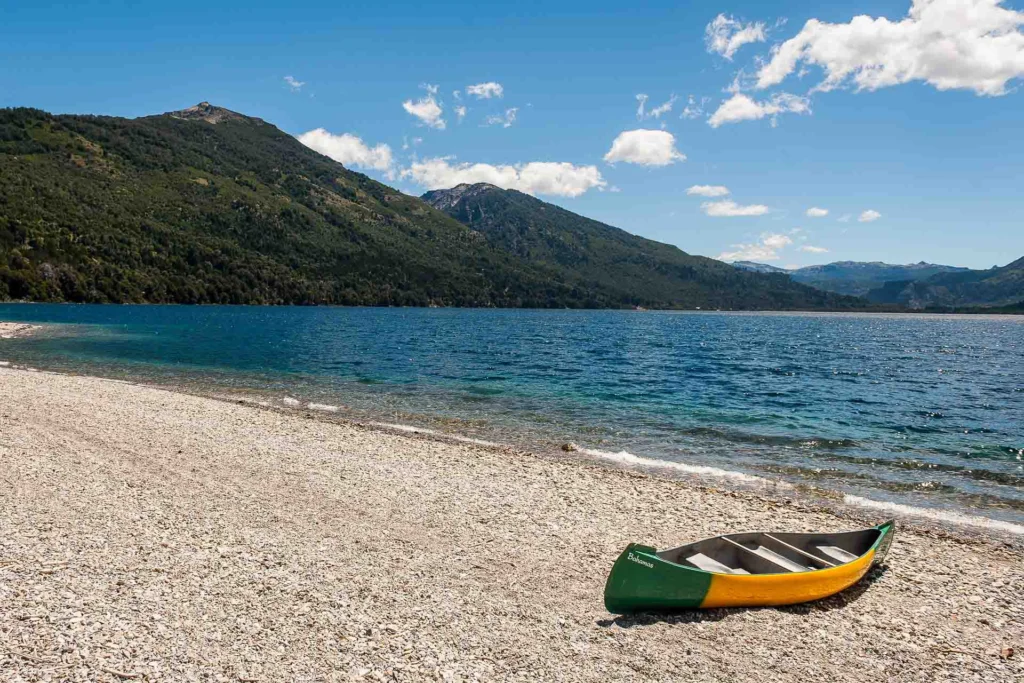
Accessible via Provincial Route 63 (currently with 19 km in the process of being paved), Lake Meliquina is part of the route that, via Paso Córdoba, allows access to the confluence of the Limay and Traful rivers. In its surroundings, the contrast between the native forest of coihues and lengas and the planted pines is clearly visible. Its windy conditions make it a good spot for practicing kitesurfing. Villa Meliquina (~400 inhabitants) is a self-sufficient community that uses renewable energy.
9. Lake Lolog (new)
Accessible via Provincial Route 62 (with an additional 5 km being improved), Lake Lolog has two great attractions from Villa Lolog: Playa Bonita, a natural swimming area with wide sand and shallow waters ideal for families, and the Quilquihue River, one of the best sport fishing spots in the region. Bordering the lake is Puerto Arturo, with a ranger station and a camping area.
Complete Map: Route of the 7 Lakes + Extensions to Meliquina and Lolog
The map shows the complete route layout: the main road via RN 40 (San Martín → Villa La Angostura) plus the extensions north (Lake Lolog via RP 62) and east (Lake Meliquina via RP 63). Click on the markers to see information about each destination.
When to Go on the Route of the Seven Lakes?
The route can be done all year round, but the optimal conditions are between November and April. Each season has its own particular charm:
🌞 December to February (summer): Warm temperatures, very long days.
Ideal for water activities on the lakes. This is the busiest season, and accommodation prices are higher.
Book in advance.
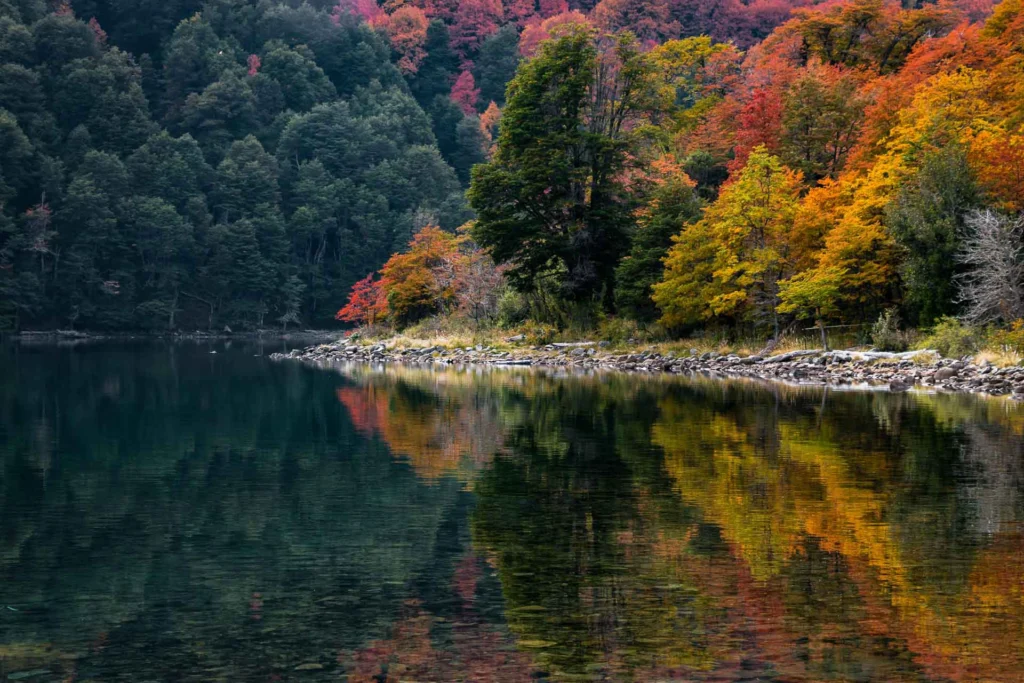
🍂 March and April (autumn): The best season for photography.
The forests of coihues and lengas turn shades of red, yellow, and orange in a unique chromatic palette.
Far fewer tourists and better prices than in summer.
🌸 October and November (spring): Bright green vegetation, wildflowers, and rivers with high flow.
The weather is variable, sometimes rainy, but the route is almost empty. Ideal for those seeking tranquility.
❄️ May to September (winter): The main section is usually open,
but some secondary accesses may have snow or ice. Not recommended without winter driving experience
and appropriate tires.
How to Travel the Walk of the Nine Lakes
In your own car (the most flexible option)
The main section of RN 40 between San Martín de los Andes and Villa La Angostura is completely paved. A standard vehicle is sufficient for the classic 7-lake route. For the extensions to Meliquina (RP 63) and Lolog (RP 62), there are gravel sections currently being paved: it is advisable to check the road condition before leaving, especially outside of peak season.
On an organized tour (worry-free)
Several companies offer full-day excursions from Bariloche or San Martín de los Andes, in a minivan with a bilingual guide. They include stops at the main viewpoints and free time at the most important lakes on the route.
By bicycle (for adventurers)
Local companies in San Martín de los Andes and Villa La Angostura offer guided bicycle tours with different levels of difficulty. Keep in mind that the complete route has significant elevation changes and requires at least 2-3 days of pedaling. A good alternative is to do it by e-bike.
By kayak and lake navigation
Lake Correntoso and Lake Espejo are especially good for exploring by kayak or boat. Some local operators offer boat rides with unique views from the water that cannot be seen from the road.
Road Work Status 2025-2026
The transformation of the circuit involves two main road infrastructure works:
Provincial Route 63 (access to Lake Meliquina): 19 km of paving carried out by CN Sapag SA.
Investment: 29 billion pesos. Estimated timeframe: 720 days (2 years from the start of works in spring 2025).
Provincial Route 62 (access to Lake Lolog): 5 additional km of asphalt plus retaining walls
and renovations to the Quilquihue bridge. It also improves access to Playa Bonita and the Quilquihue River.
Improvements on the RN 40 section (Route of the Seven Lakes): Reconfiguration of dangerous curves,
widening of lanes, new strategic viewpoints, and reinforcement of tourist signage.
Authorities recommend checking the official National Roads website for updates on road conditions before traveling, especially during construction season.
Tourism Growth on the Route
The circuit has shown sustained growth in recent years. With the expansion and road improvements, it is projected that the Walk of the Nine Lakes will boost job creation and private investment throughout the region.
| Year | Visitors | Growth |
|---|---|---|
| 2019 | 120,000 | — |
| 2022 | 180,000 | +50% |
| 2023 | 210,000 | +16.6% |
→ Complete guide to San Martín de los Andes at Patagonia+
Frequently Asked Questions
What happened to the Route of the Seven Lakes?
The Route of the Seven Lakes is not disappearing; it is expanding. The Government of Neuquén has incorporated two additional lakes
—Meliquina and Lolog— into the historic route, renaming the circuit the Walk of the Nine Lakes.
The original route between San Martín de los Andes and Villa La Angostura via RN 40 remains exactly the same.
How many lakes does the new route have?
The Walk of the Nine Lakes includes: Machónico, Falkner, Villarino, Escondido, Correntoso, Espejo, and Nahuel Huapi
(the original 7), plus the new ones, Meliquina and Lolog.
In the future, it is planned to also incorporate Lake Traful, which would further expand the circuit.
Can the route be done in one day?
The classic section (San Martín – Villa La Angostura, ~110 km) can be done in one day
with an early start, making stops at the main viewpoints and beaches.
If you also want to visit Meliquina and Lolog, planning for 2 days or more is ideal so you don’t have to rush.
Where to rent a car to tour the lakes?
You can rent a car at Bariloche airport (the best connected with frequent flights from Buenos Aires,
80 km from Villa La Angostura) or directly in San Martín de los Andes.
Compare prices on platforms like Rentcars
or with local agencies like Hertz, Europcar, or Avis present in Bariloche.
Does the route have tolls?
No. Currently, there are no tolls on the section of RN 40 that corresponds to the Route of the Seven Lakes.
Where to stay to do the route?
The best base points are
San Martín de los Andes
(start of the route) and Villa La Angostura
(end), with options ranging from campsites to five-star hotels.
There are also cabins and hosterías at intermediate points along the route.
Will the route remain open during the paving works?
Yes, the main section of RN 40 is not affected.
On the secondary roads (RP 62 towards Lolog and RP 63 towards Meliquina) there may be scheduled restrictions
or temporary detours in active work areas.
Check the updated status on the National Roads website before leaving.