Saint-Exupéry among Patagonian winds and Mapuche names
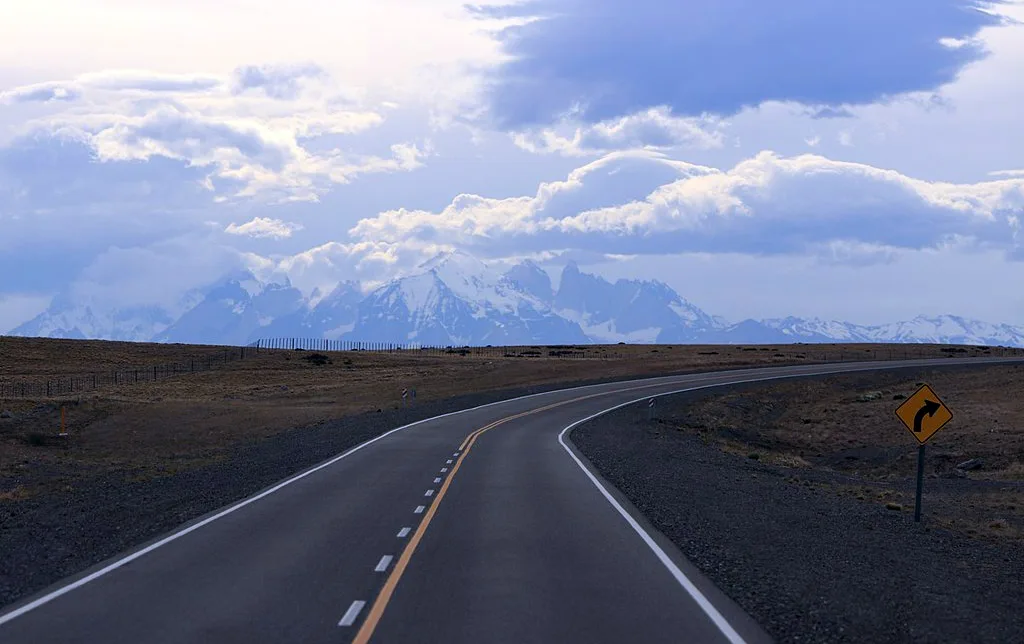
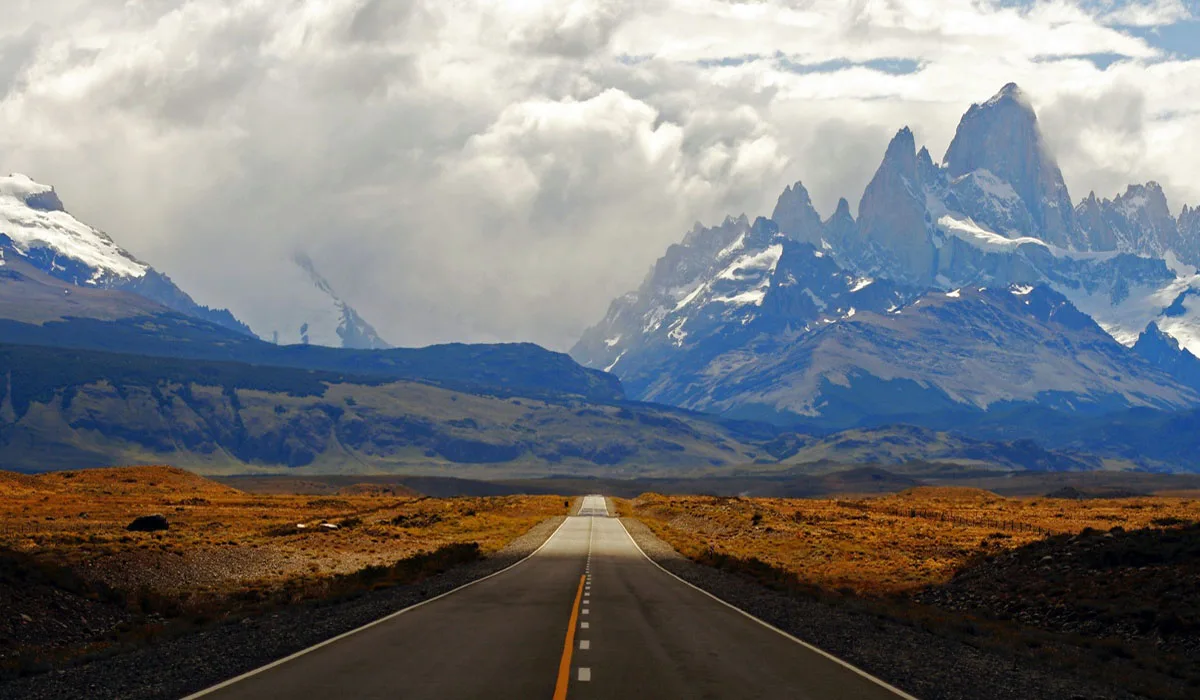
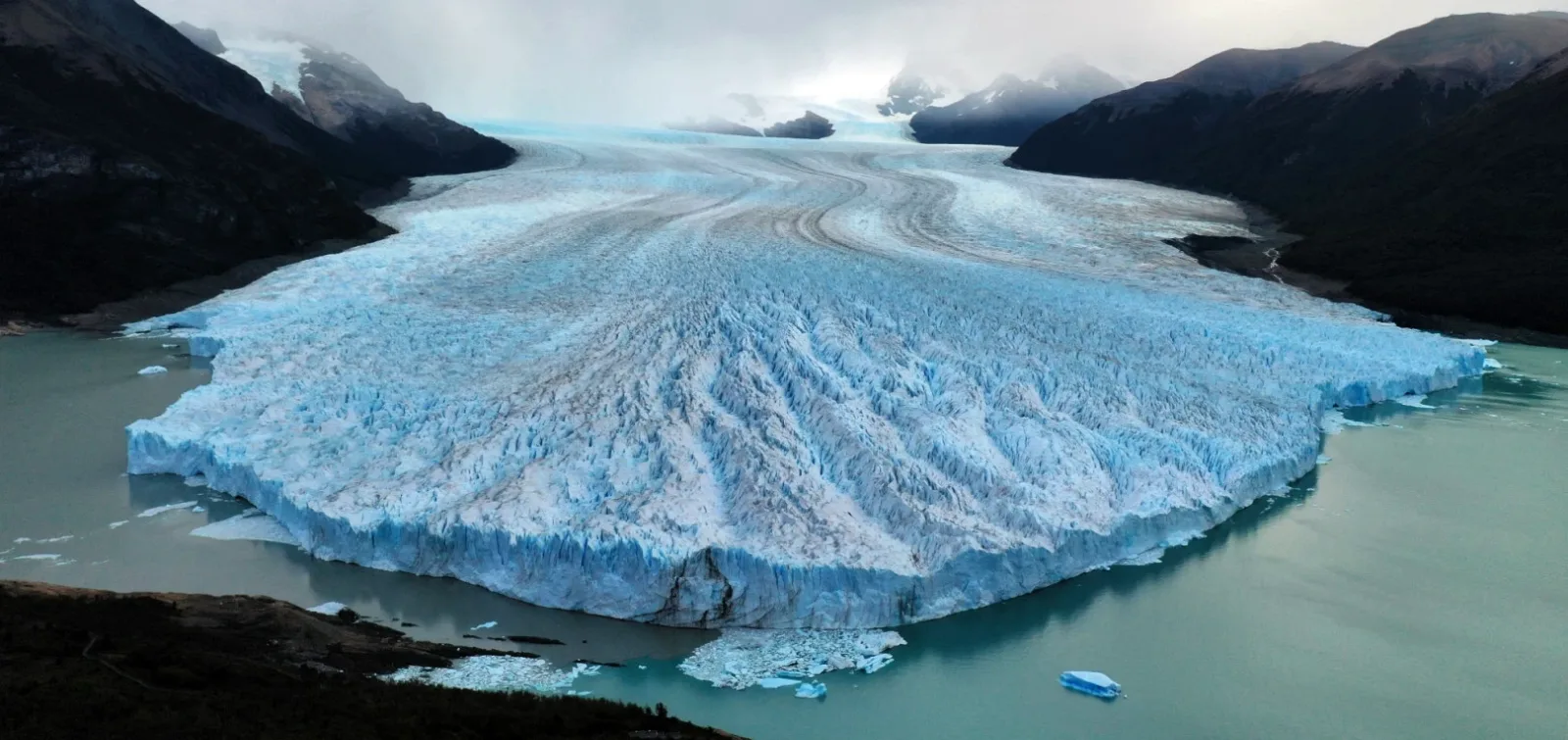
Imagine Saint-Exupéry crossing the steppe in 1930, the plane battling the wind while Mapuche and Tehuelche place names remain untouched below.
Can you imagine flying over Patagonia in 1930 in a fabric plane?
I close my eyes and imagine an ordinary day in 1930: not one that appears in a flight log —the sources don’t confirm it— but a possible one, the kind Saint-Exupéry surely repeated between Bahía Blanca and northern Patagonia. Just another day on a route that was already operating, with the mail loaded, a nervous passenger or two, and a lot of wind ahead. A workday, let’s say. One of those that seem routine and later, over the years, end up in history books.
While up above that Latécoère with its square nose is pointing south, down below the steppe is still something else: Mapuche and Tehuelche territory, rivers with names that came long before Aeroposta and that still work as a map. From the air they might be blurred, but they’re there: Neuquén, Limay, Chubut, Nahuel Niyeu. A map of Indigenous memory over which, all of a sudden, a couple of guys in wood-and-fabric airplanes trying to beat time fly twice a week.
Nowadays it’s easy to take Route 3, or a flight to Neuquén, Trelew or Comodoro, and in a few hours we’re where it took them entire days to get. Even today, traveling to Trelew on Aerolíneas Argentinas always gives me a very concrete sense of the breadth and immensity of Patagonia and, in my case, triggers a feeling similar to what the pioneers must have felt in those uncertain beginnings: everything to be done, so much to discover, that mix of adrenaline and emotion that still reminds you that you’re entering a vast territory.
I like to think that every time a commercial airplane lines up to land on this Patagonian strip, somewhere symbolic someone is still warming the oil of those old engines, and that the winds that slowed down the Laté 25 are the same ones that jostle us in our seats today.
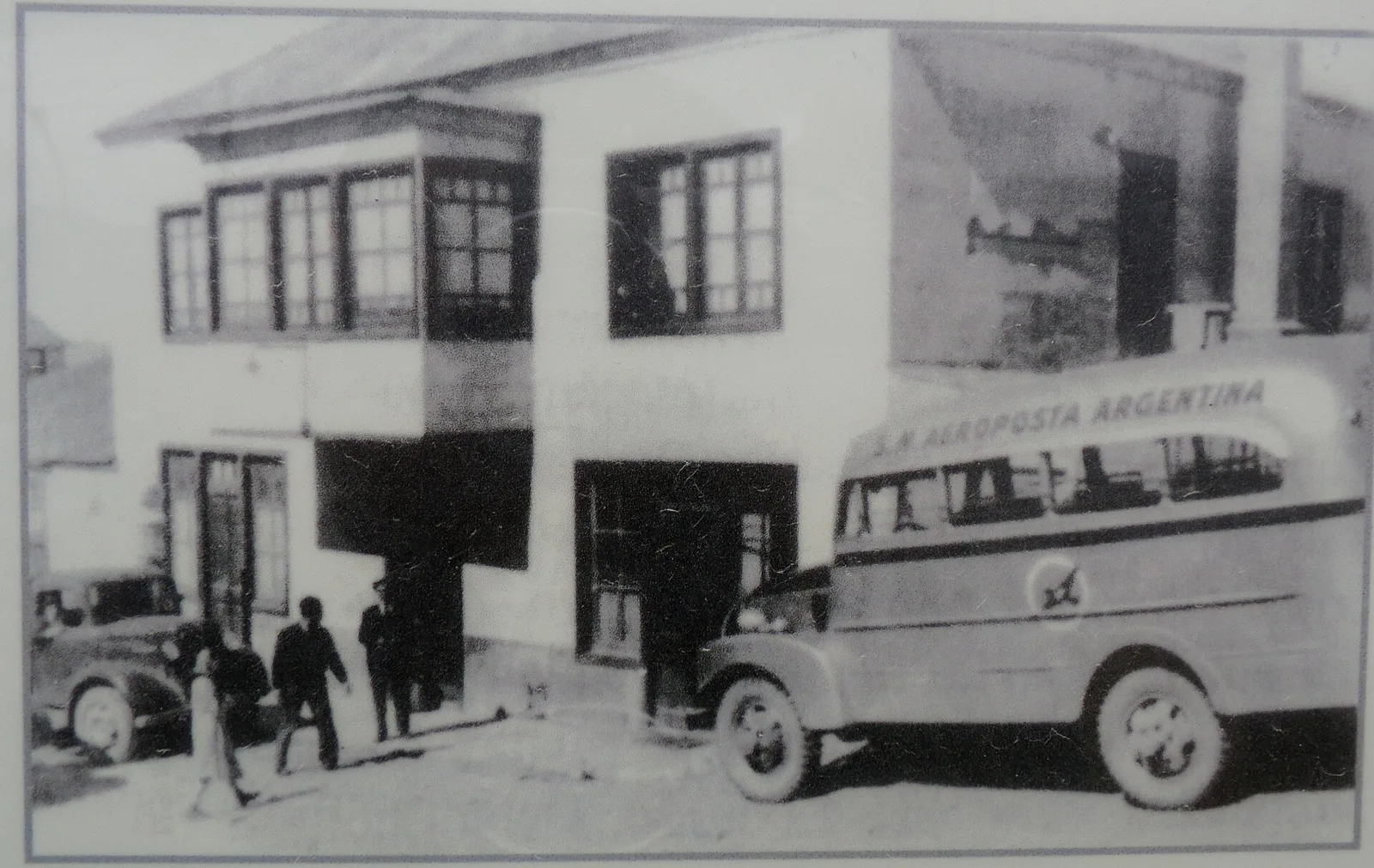
Aeroposta Argentina offices Ushuaia. Photo: Desconocido Unknown author, Public domain, via Wikimedia Commons.
The pilot who came to put constellations on the map
Antoine de Saint-Exupéry, known for being the author of The Little Prince, did not first arrive in Patagonia as a literary figure but as a professional aviator and the person in charge of a nascent company. In those years, his life was closer to the mechanic’s workshop and the operations office than to the table of a literary café.
Aeroposta Argentina S.A. had been established on September 5, 1927 as a subsidiary of the French Compagnie Générale Aéropostale to operate mail and passenger routes in the country, including Patagonia. Two years later, on October 12, 1929, Saint-Exupéry disembarks in Buenos Aires, sent by the company to take charge of organizing that subsidiary. He is appointed technical director, the famous operations manager: in plain language, the guy who has to make sure the planes depart, arrive and, if possible, nothing breaks and nobody dies.
His main mission is to open and consolidate the new southern line that was to connect Buenos Aires with Río Gallegos. That involves much more than flying: choosing landing fields, negotiating land, calculating distances, studying meteorology, talking to politicians and ranchers, coordinating mechanics and pilots. He is responsible for transforming a map full of arrows into a network of real flights.
Before the Patagonian route became “official,” there were already people breaking trail. On August 25, 1928, a Latécoère 25 surveys the route and lands for the first time in Bahía Blanca, Carmen de Patagones, San Antonio Oeste and Trelew. Eduardo Bradley, with the support of Patagonian businessman Mauricio Braun, had promoted the concession of the Bahía Blanca–Río Gallegos route to carry passengers and mail, a direct precedent of what Aeroposta would eventually operate.
When Saint-Exupéry appears on the scene, the board already has pieces in place, but the hardest part is still missing: turning intentions into regular flights. On October 14, 1929, he and Paul Vachet head south on a reconnaissance flight, preparing what’s to come. And on October 31 and November 1 what many chronicles recall as the great beginning takes place: the first commercial flight and the official inauguration of the Bahía Blanca–Comodoro Rivadavia leg.
The Latécoère 25 leaves from Villa Harding Green, stops at places like San Antonio Oeste and Trelew, and ends in Comodoro Rivadavia. It carries official mail and a few passengers. The journey that used to take days is now measured in hours. Patagonia has just shrunk on the time map.
Meanwhile, out on the steppe, nobody signs an inauguration act. The winds blow just as they always have. The Mapuche and Tehuelche names of rivers and valleys go on doing their quiet work, reminding us that before Aeroposta, before Bradley, Braun, and Saint-Exupéry, the route was traced on horseback by the peoples who lived there.
A flight between dust and wind
A spring morning in the Southern Hemisphere around 1930, according to studies that point to Aeroposta operating a twice-weekly service between Buenos Aires and Río Gallegos, with stops in Bahía Blanca, San Antonio Oeste, Trelew and Comodoro Rivadavia. The meticulous chronology of each everyday flight is kept in specialized records that we don’t have at hand today, so we don’t know exactly what Saint-Exupéry did on this or that specific date. But we can reconstruct what a typical day on the line would have been like, based on what the historical works on the route tell us.
Dawn breaks in Bahía Blanca. At the Villa Harding Green aerodrome, still just dirt, the mechanics load mail sacks and a bit of small luggage. The Laté 25 waits motionless, a structure of wood and fabric more like a piece of furniture with wings than a modern airplane. When winter tightened its grip, researchers recount, on those improvised fields temperatures dropped below zero and the oil and engine water had to be heated before takeoff so the machine would agree to start. In November the temperature helps a bit, but the mechanical ritual is still meticulous. There was no alternative plan if something failed in the air.
Between December 1929 and March 1930, the accounts say, Saint-Exupéry hardly sets foot in Buenos Aires because he closely follows, on the ground, the extension of the second Patagonian segment. He goes back and forth between stops, inspects aerodromes, organizes works, negotiates permits. He’s not just a pilot: he’s the company’s trusted man on an edge of the map where, as he wrote according to a quote by Roberto Schamun, both men and machines face “a hostile environment, without logistical support,” and where “the wind could be so intense that it prevented planes from moving forward.”
Takeoff. Below, Bahía Blanca, the fields, the estancia houses recede. Very quickly the landscape flattens, turns to steppe. From up here, San Antonio Oeste is not a massive seaside resort: it’s a necessary stop, a reasonably even patch of ground that can be called an “aerodrome.” Further south will come the names we now associate with tourism and commercial flights: Trelew, and further on Comodoro Rivadavia, whose old aerodrome would end up evolving into today’s General Enrique Mosconi International Airport.
Those places were isolated points, joined by an invisible line of decisions and courage. Twice a week, someone has to go out and trace it.
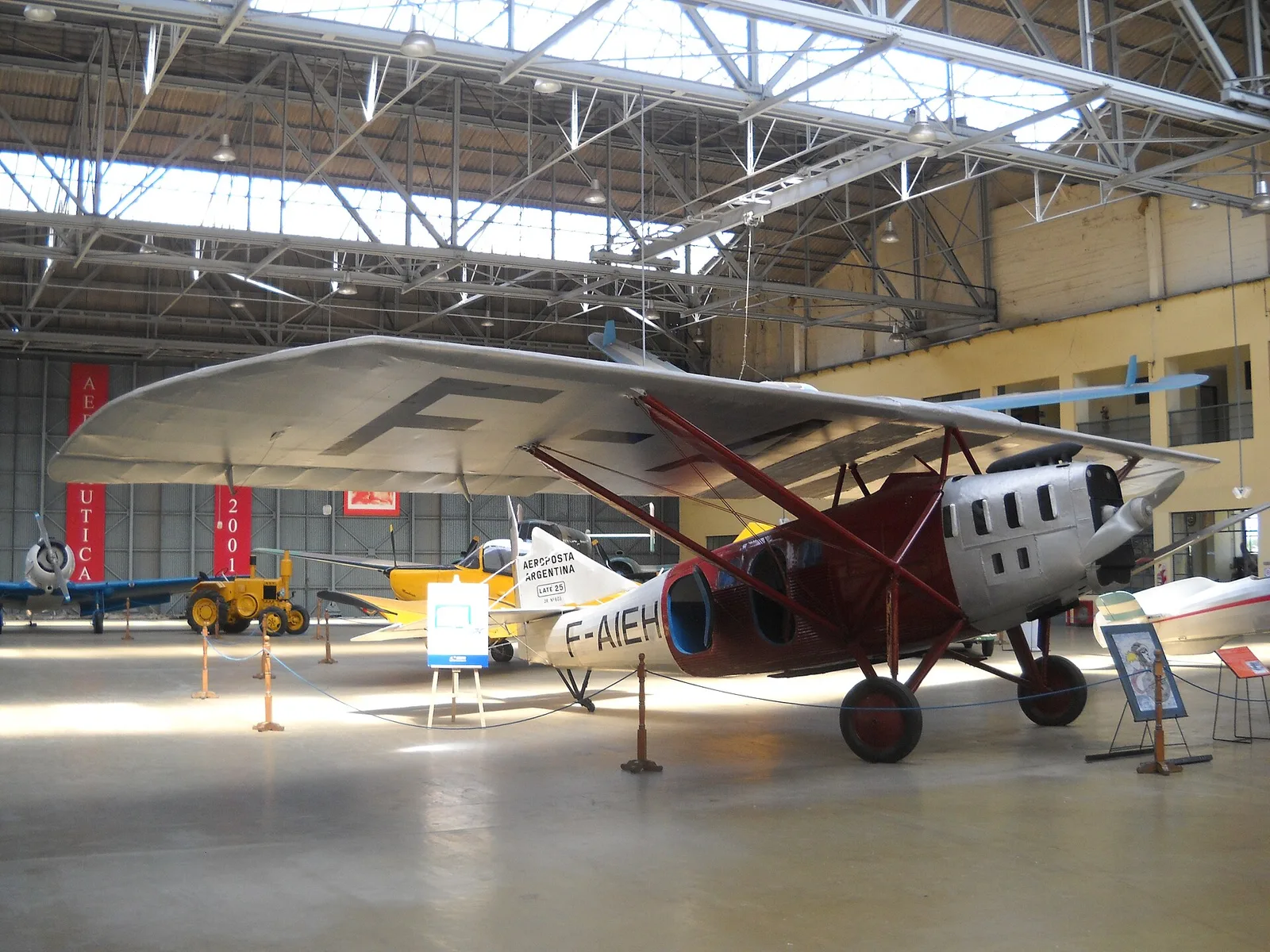
Late01. Photo: Piero71, CC BY-SA 3.0, via Wikimedia Commons.
Where the train stops and the sky begins
I like to imagine Patagonia in those years as a map where three lines cross: the drovers’ tracks and the paths of the Indigenous peoples, the stubborn straight line of the train, and this new aerial seam of Aeroposta.
Down below run tracks that today are Route 3 and other national highways, in that era often barely better than a gravel road. Further inland, rivers with Indigenous names mark other itineraries: Neuquén, Limay, Chubut, Senguer. Many of those toponyms come from Mapuzugun or Tehuelche languages; they speak of stones, of cliffs, of currents. They are geography named from direct experience: what’s there, how the water sounds, what the wind does here.
The train, in those same years, draws another kind of line: iron, schedule, station. It unifies and divides at the same time. It brings goods, carries off wool, connects ports. But even the train has to bow to the capricious logic of geography. It can’t get over a ravine in one go; it has to go around it, negotiate with the slopes.
For Aéropostale’s executives, the airplane was the tool designed to shorten distances. Aeroposta is not invented in a vacuum: it’s the technological answer to a very concrete need, moving mail and passengers faster in a huge region. In the late 1920s, while Jean Mermoz crosses the Atlantic in 21 hours carrying airmail, Saint-Exupéry is on this side claiming the Patagonian sky for the same cause.
But no matter how much progress there is, the pilots are not flying over a blank page. What they see (and I picture them with frozen faces, watchful eyes, stiff gloves) is a continuous weave of Indigenous memory: plateaus someone named before, valleys that were roads, lagoons with history. From that tiny cockpit, where the engine noise drowns out even their own thoughts, a world that has been in motion for thousands of years passes below.
If today you come by road to San Antonio Oeste or Trelew, you can play a similar game: you repeat the names out loud and ask yourself who said them first. Thinking about that changes how we see the landscape. It places us on a timeline much longer than the history of airplanes, trains, or highways.
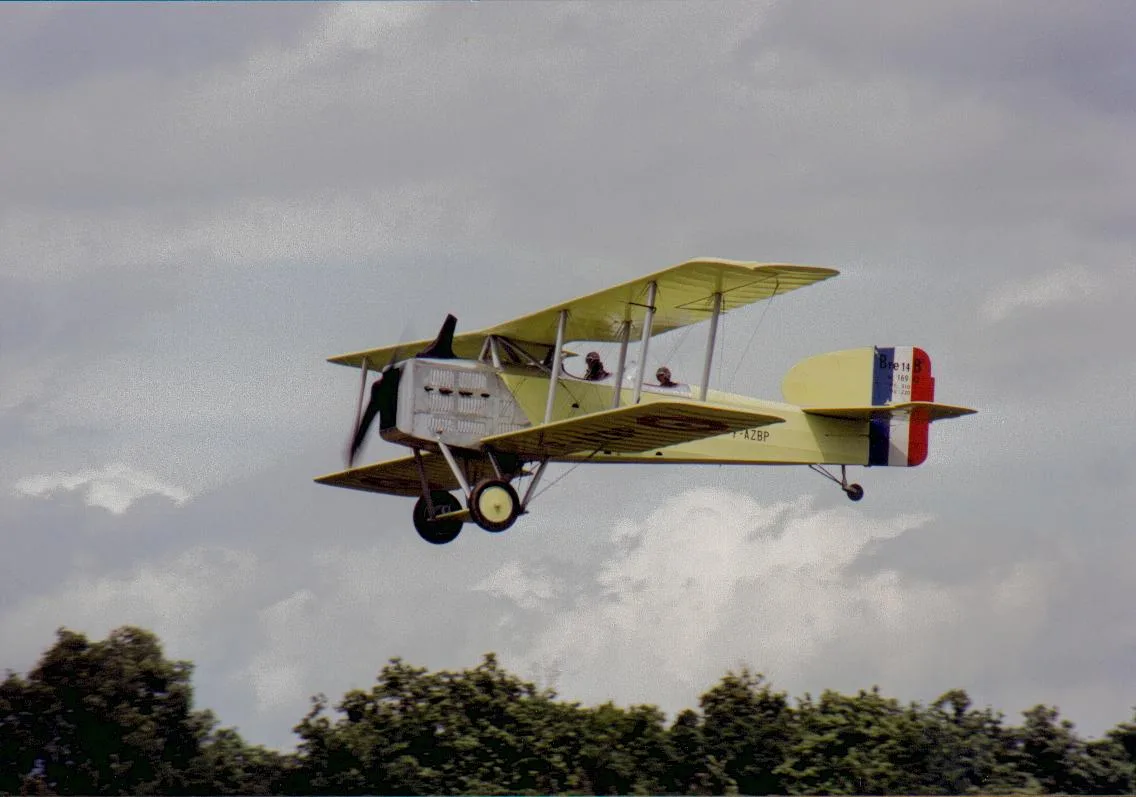
Bréguet XIV au décollage La Ferté Alais 1994. Photo: photo by Gautherie, Public domain, via Wikimedia Commons.
From the Latécoères to the jets: following a line that still exists
The company Aeroposta, like so many others of the period, crashed into economic reality. In the early thirties Aeroposta suffered an economic crisis that led it to suspend its flights in 1931; that’s how the era of the French pilots, among them Saint‑Exupéry, ended in Patagonia. But what they did between 1929 and those first years changed forever the way the country was joined.
On March 31, 1930 the segment to Río Gallegos was opened; Saint‑Exupéry piloted that first service in a Latécoère 28, with authorities and journalists on board. Among them travels Marcel Bouilloux-Lafont, president of the Compagnie Générale Aéropostale, one of the great driving forces behind Latin American airmail expansion. Some contemporary accounts add to that scheme the legs along the Atlantic coast such as Puerto Deseado and San Julián, and in the projects of that time they even imagined continuing on to Punta Arenas.
The route he helped consolidate is, with other airplanes and other commercial names, very similar to the one we still use today. Bahía Blanca, Trelew, Comodoro Rivadavia, Río Gallegos. Atlantic Patagonia is now connected by paved highways, like National Route 3, and by regular flights that for us are almost a formality. You book from your phone, you board with your headphones, you complain about the legroom and in a bit you’re in a landscape that less than a hundred years ago required heating oil out in the open.
If you’re traveling by car, you’re also unknowingly following part of that original drawing. Every time you see a sign indicating a nature reserve, a protected area, you’re passing near the coasts, steppes and plateaus where the Laté 25 would look for a clearing to land. Many of those places are now very popular destinations, especially between October and March, when the weather is friendlier and tourism moves more strongly. But the essence is the same: wind, long horizons, cold sea, low clouds.
And behind all that, holding up the map, the Mapuche and Tehuelche names are still there. Many have survived; others have not. But wherever the toponyms hold out, there is a memory that doesn’t belong to Aeroposta, or to the State, or to the current airlines. It belongs to the communities that named them first.
I like the idea that a modern flight to Neuquén or Trelew is a kind of manuscript, where on top of the old droving route, someone drew a railroad line; on top of that train, a French airline traced an air route; and on top of that line, today, aluminum and carbon fiber jets fly.
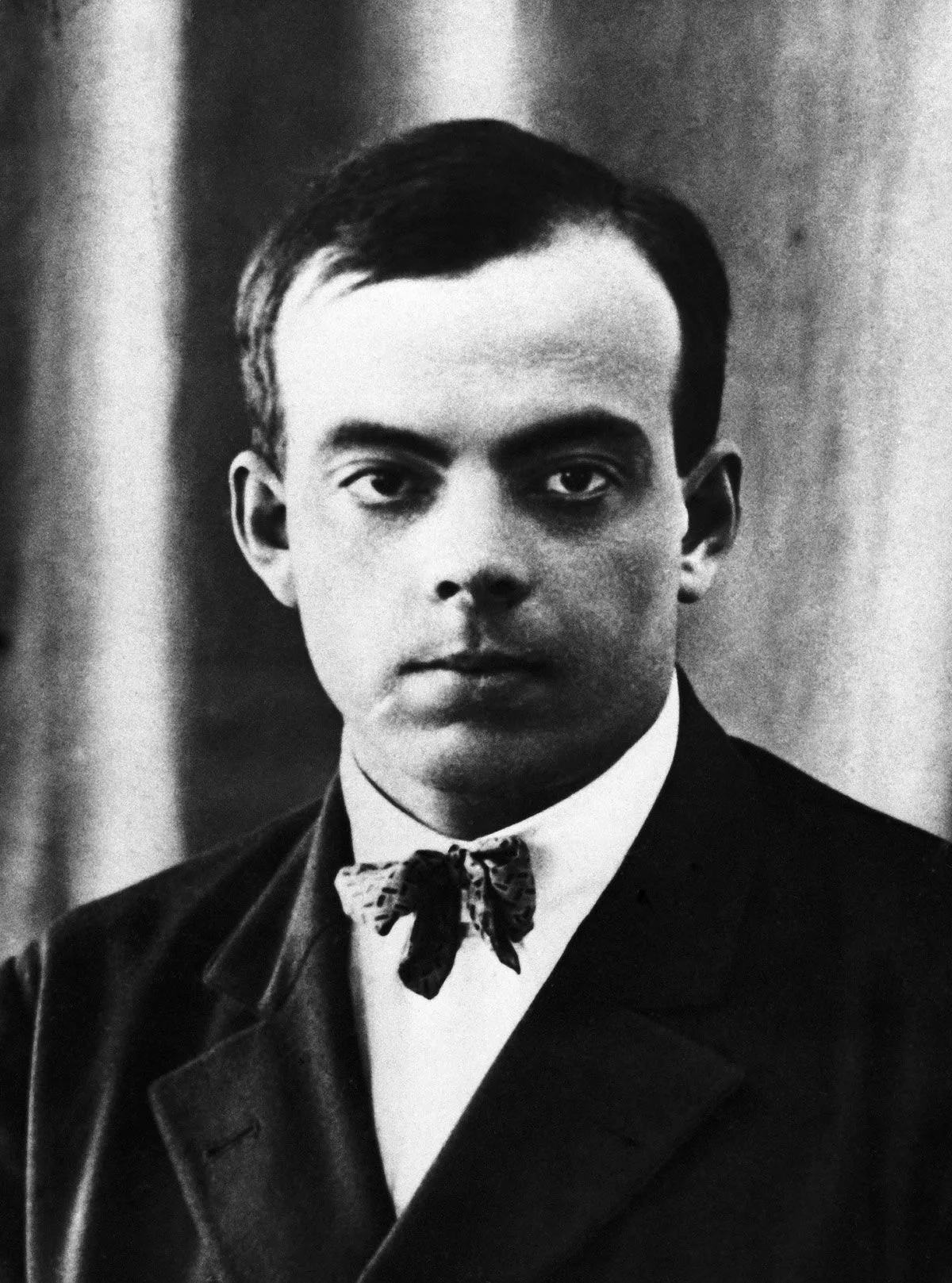
Antoine de Saint-Euxpery (1920). Photo: Desconocido Unknown author, Public domain, via Wikimedia Commons.
What a wooden airplane teaches us about starting today
I think of Saint-Exupéry in Bahía Blanca, in 1929. He didn’t have success guaranteed, nor did he know that one day his face would be on murals and his phrases on mugs. He had a mandate that was much simpler and more brutal: to make a difficult route work twice a week over a harsh territory.
What’s amazing is that, with airplanes made of wood and fabric, with wind that sometimes wouldn’t let them advance, with oil that had to be heated by hand, they did it. Not because they had everything figured out, but because they started and kept going, tweak after tweak. Landing field after landing field.
“Learning by doing”: Maybe that’s also what the way we move our lives is about. You don’t have to be a legendary pilot to draw a new line in our stories. You just have to choose a course, accept that there will be headwinds and head out anyway. Even if the plan isn’t perfect, or complete, it will always be the best option.
By Diego Pastuch Cover photo: Desconocido Unknown author, Public domain, via Wikimedia Commons.
Share
Rate this story
No ratings yet
0 comments
No comments yet. Be the first!
You may also like
 Darwin, Fitz Roy and the Yámanas: a misunderstanding at the end of the world
 Punta Arenas, the city that was written by the wind
 Jules Verne and the real lighthouse at the end of the world
 Getaway to Bariloche: 3-Day Itinerary and My First Time in the Snow at 50
 Fulfilling the Dream of Traveling to Ushuaia
 Journey of the Sailboat Galileo in Patagonia and Argentine Antarctica - 2nd part -
 Journey of the Sailboat Galileo in Patagonia and Antarctica by Commander Navas
 Ushuaia, the City at the End of the World… where everything begins