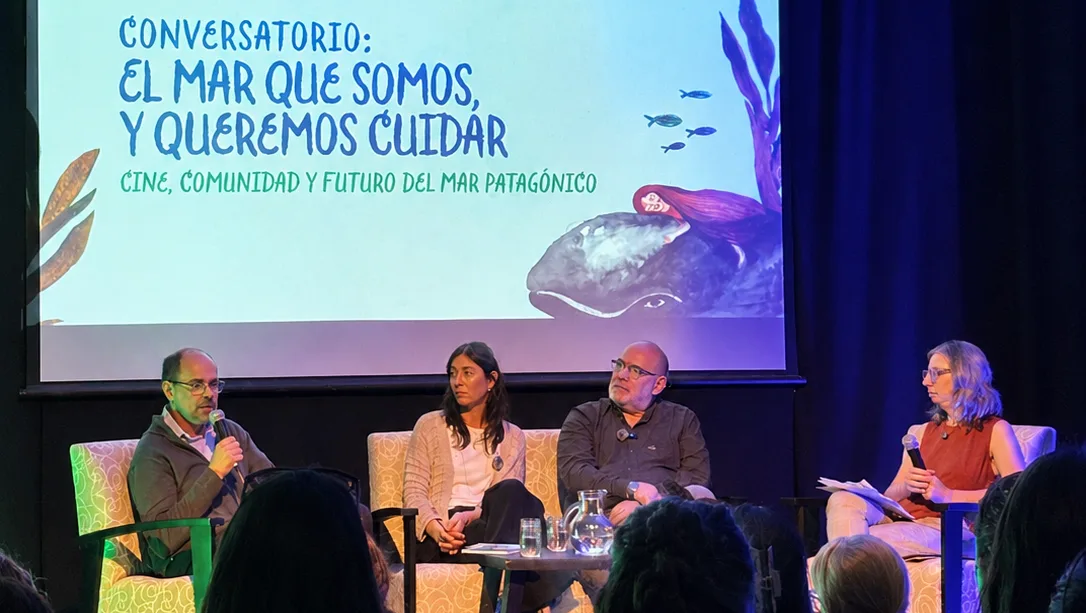
Lessons from Albardão for the conservation of the Mar Patagónico
The creation of the Parque Nacional Marino in Albardão is key to conserving the Mar Patagónico.
Importance of the creation of the Marine National Park
The recent creation of the Marine National Park in Albardão represents a significant step forward in the protection of the marine ecosystems of the Patagonian Sea. This park establishes a comprehensive protection regime, distinguishing itself from other areas that seek to balance conservation with human activities.
Challenges and opportunities
During the creation process, concerns arose among fishery workers about how the new regulations would affect their activities. It is essential to address these concerns through dialogue and negotiation, ensuring that the decisions made benefit both biodiversity and local communities.
In addition, the regulation of vehicle traffic in coastal areas and the expansion of wind power projects are issues that still need to be resolved to ensure proper land management.
Long-term benefits for fishing
Comprehensive protection not only seeks to preserve the environment, but can also benefit fishing activity. The recovery of fish populations within the park can generate a spillover effect, increasing the availability of fishery resources in adjacent areas.
Future of park management
The creation of the park marks the beginning of a new stage in the management of the Patagonian Sea. It is essential to develop participatory management plans and ensure transparency in decision-making. This will allow legal protection to be translated into concrete results for biodiversity and the communities linked to the territory.
How to visit the Patagonian Sea coastline and its marine parks
The Marine National Park is part of the large coastal strip of the Argentine Patagonian Sea, a biodiversity corridor that extends off provinces such as Río Negro, Chubut and Santa Cruz. Most travelers arrive by plane to coastal cities such as Viedma, Trelew, Puerto Madryn, Comodoro Rivadavia or Río Gallegos, and from there travel by road to the different sectors of the coastline.
The area is known for its colonies of sea lions and elephant seals, pelagic birds and, depending on the stretch of coast, whale and dolphin watching from natural viewpoints or authorized boat trips. The best time to explore the coastline is usually between spring and early autumn, when the weather is less harsh and wildlife activity is greater.
For a responsible trip in marine and coastal environments:
- Always keep a safe distance from wildlife and nests.
- Walk only on authorized trails and do not enter the beach with vehicles.
- Take all your trash with you and avoid single-use plastics.
- Check weather reports and official recommendations before going, since wind and tides can quickly change visiting conditions.
Frequently asked questions
- What is the Parque Nacional Marino in Albardão?
- It is a protected area that seeks the integral conservation of the marine ecosystems of the Mar Patagónico.
- How does the creation of the park affect local fishing?
- It can generate long-term benefits by allowing fish populations to recover and increasing the availability of fishery resources.
Original source: marpatagonico.org
Share
Rate this story
No ratings yet
0 comments
No comments yet. Be the first!
You may also like
 Living Mountains 2026: Knowing to Care
 Interpretive tour of major Malvinas milestones in Puerto Madryn
 First edition of the cultural festival “Madryn se encuentra”
 Fourth edition of Lobo Beach in Puerto Madryn
 Camino de la Fe: a journey through the stories that connect Neuquén
 Excursion to Cerro Negro and Laguna Negra with GEDA
 Closure of the road to Cerro Tronador due to works in Pampa Linda
 Presentation of the book “Trona 360” in Bariloche