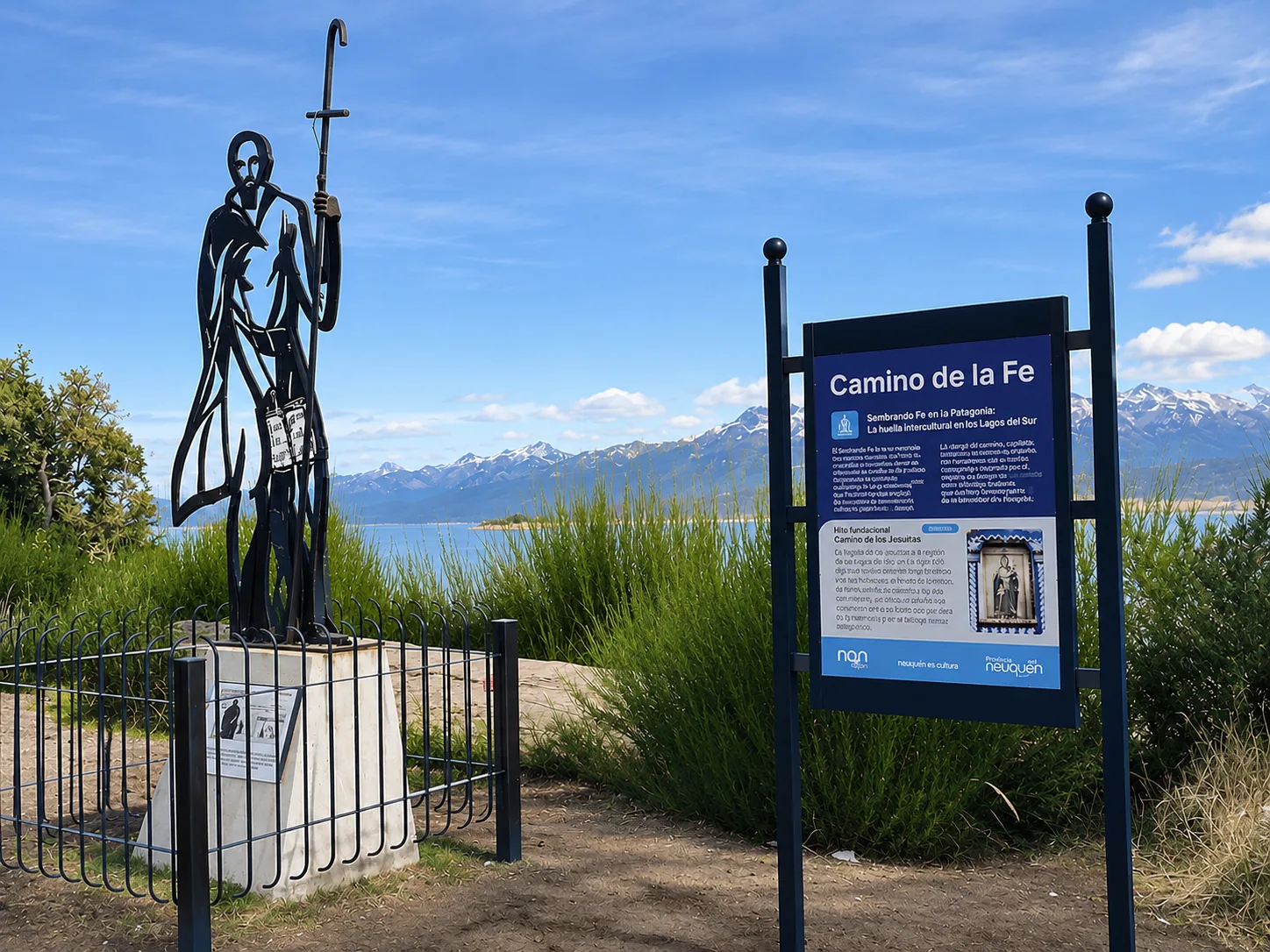
Camino de la Fe: a journey through the stories that connect Neuquén
Discover the Camino de la Fe in Neuquén, a route through the region’s history and spirituality.
A cultural and spiritual journey
The Camino de la Fe in the Norte Neuquino is a unique experience that invites visitors to explore the rich history and traditions of the region. This route not only encompasses chapels and churches, but also connects with the stories of the ancient missionaries and the traditions of rural inhabitants.
History and Tradition
Each chapel and sanctuary has a story to tell, bearing witness to encounters and celebrations that have marked the lives of generations. These places are more than simple tourist destinations; they are spaces that preserve the memory and sense of belonging of their communities.
Art and Spirituality
As we move toward the Southern Lakes region, the Camino de la Fe also becomes a space where art and spirituality intertwine. The architecture and sculptures reflect the Mapuche worldview and other cultural traditions, offering an enriching experience for visitors.
A meaningful journey
From small constructions that are part of everyday life to monumental works that blend into the mountain landscape, each site on this route offers an opportunity to discover the history of Neuquén. Understanding that these places are spaces that preserve memories and customs is one of the greatest attractions of this experience.
Visiting the Camino de la Fe means immersing yourself in the culture and spirituality of Neuquén, a journey that will undoubtedly leave a mark on the hearts of those who travel it.
How to organize your trip along the Camino de la Fe in the Norte Neuquino
The Camino de la Fe is traveled mainly between mountain towns in the north of Neuquén, an area of arid valleys, mountains, and rural locations. The main access point is usually the city of Neuquén capital, connected with the rest of the country by roads and an airport; from there the journey continues along National Route 22 and then along provincial routes to the north.
It is an ideal trip to combine with:
- Visits to small mountain towns in the north of Neuquén.
- Stops at viewpoints and rivers in the region.
- Tours around the lakes area in the south of the province.
It is best to travel in spring or autumn, when the weather is usually more stable. In winter, snow and ice can complicate driving conditions, so it is essential to check the state of the roads before setting out. At all times it is recommended to:
- Respect the daily life of the communities and ask permission before photographing people or temple interiors.
- Keep the area clean: always take your garbage with you from rural locations.
- Drive with caution on gravel roads and respect signage.
An unhurried trip, with time to talk with locals and appreciate religious and rural architecture, allows for a better understanding of the history and identity of the Norte Neuquino.
Source: Neuquén Turismo
Frequently asked questions
- What is the Camino de la Fe in Neuquén?
- It is a route that connects chapels and churches with the region’s history and traditions.
- What kind of experiences does the Camino de la Fe offer?
- It offers a mix of history, art and spirituality, including Mapuche cultural expressions.
Original source: turismo.neuquen.gob.ar
Share
Rate this story
No ratings yet
0 comments
No comments yet. Be the first!
You may also like
 Excursion to Cerro Negro and Laguna Negra with GEDA
 Closure of the road to Cerro Tronador due to works in Pampa Linda
 Presentation of the book “Trona 360” in Bariloche
 New tourist corridors in Río Negro with World Bank support
 Ascent of cerro El Coihue: a renewing experience
 Easy Hiking Trails in Bariloche
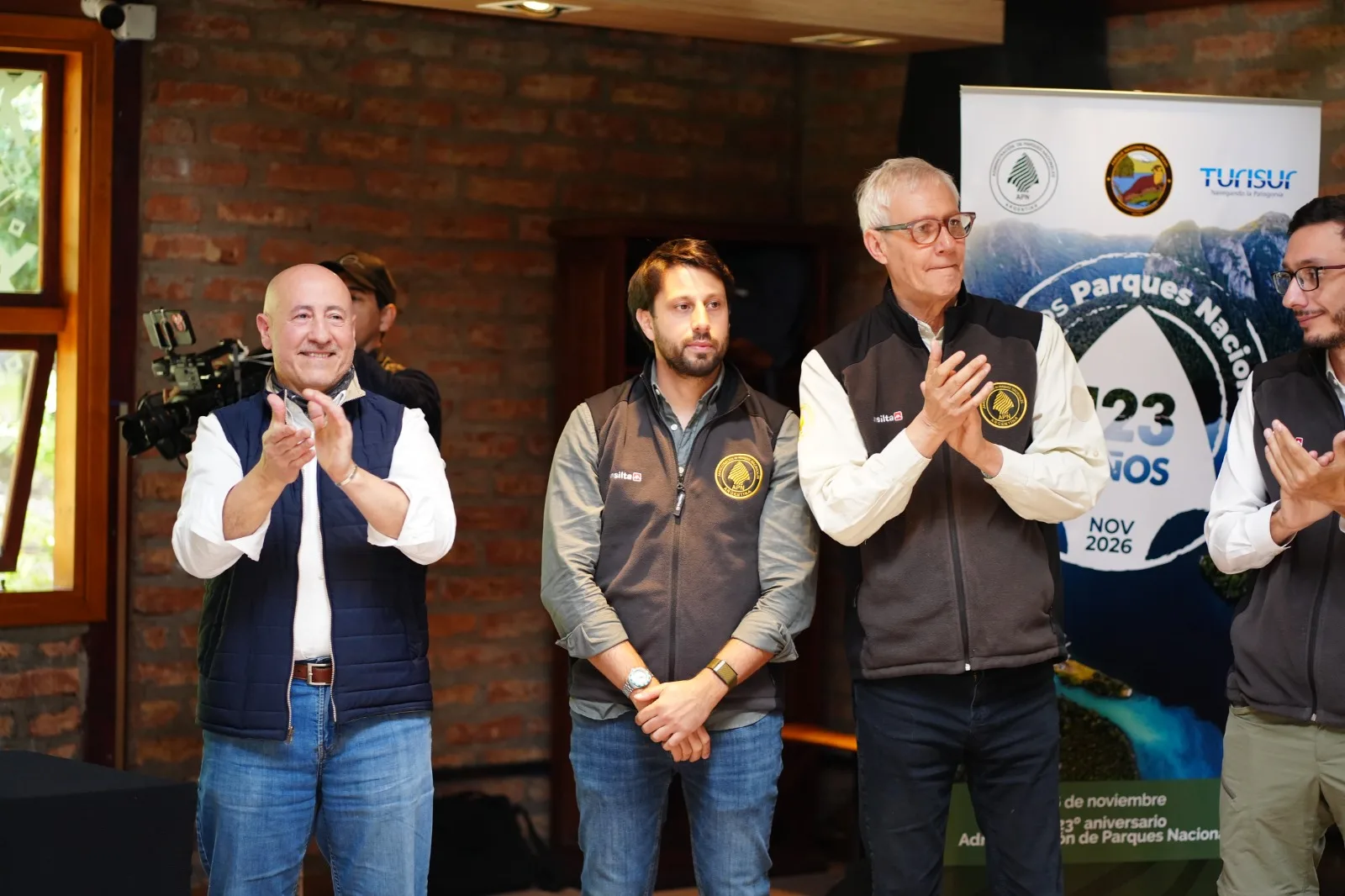 Celebration of National Parks Day in Nahuel Huapi
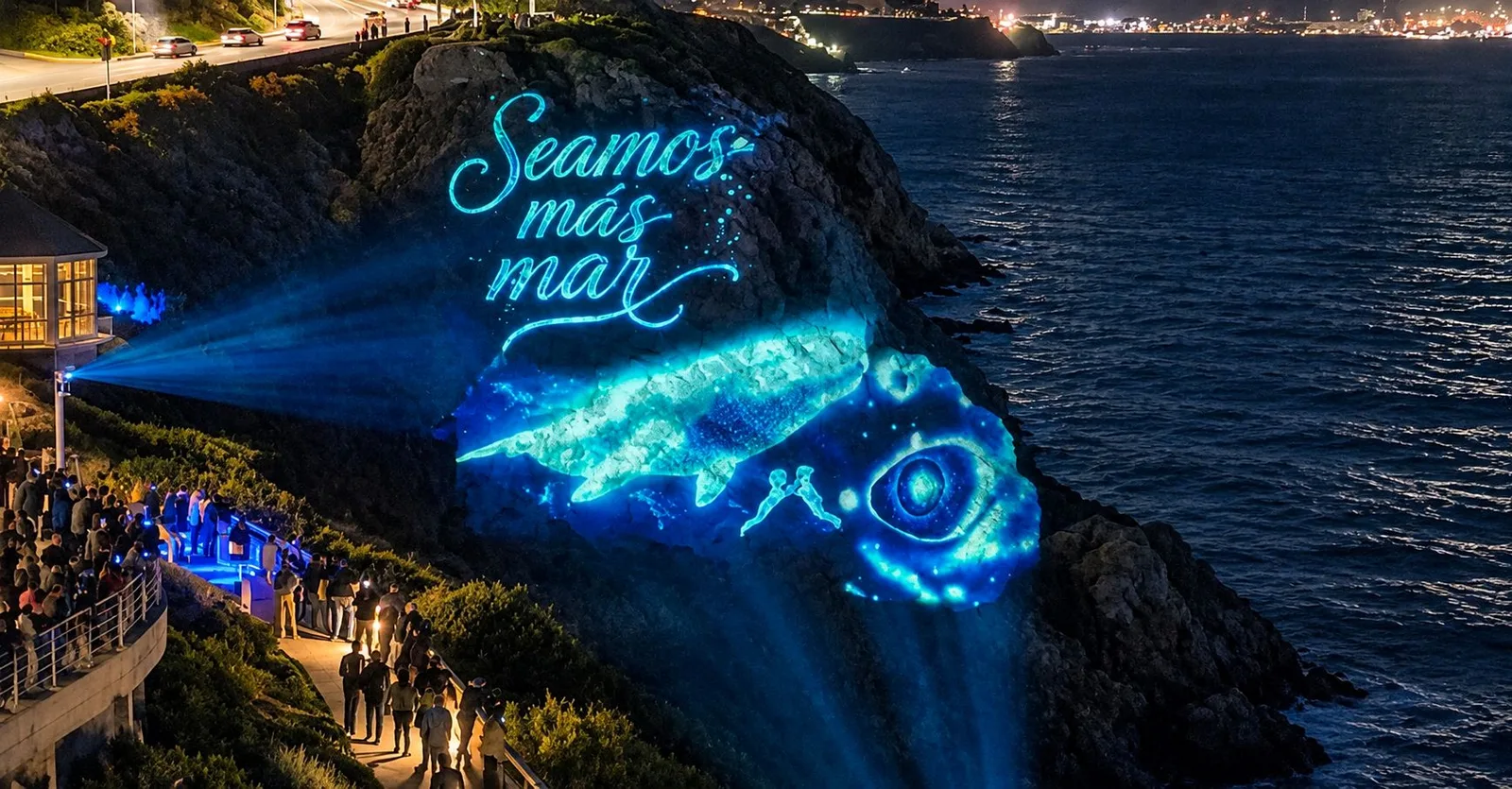 Discussion on marine conservation in Puerto Madryn