Bariloche opens registration for Mountain and Wilderness Worker certification
Mountain and Wilderness Worker: registration is open at ITS Bariloche for those working in tourism and natural environments.
Registrations for the Mountain and Wilderness Worker certification at the Instituto Técnico Superior (ITS) Bariloche are open from Sunday 1 to Monday 30 November. The proposal is aimed at those who already work in natural environments in the region and are looking to improve their professional training.
The training, an Initial Professional Training of Level III, is aimed at workers in mountain huts, campgrounds, tourist estancias, ski resorts and other tourist services in wilderness areas. The goal is clear: that those who receive visitors in the Cordillera do so with more tools in safety, environmental care and customer service.
What the Mountain and Wilderness Worker certification is
ITS Bariloche, a public higher technical institute in the city of Río Negro, offers the “Mountain and Wilderness Worker” certification as an initial professional training of Level III. It is a training designed for those who already have experience working in the mountains or in rural tourist areas, but need to systematize knowledge and add new competencies.
According to information released by the Club Andino Bariloche, the proposal “aims to provide tools and knowledge to work responsibly and safely in mountain spaces and wilderness areas,” reinforcing the preparation of personnel who carry out tasks in these settings.
Recent news articles detail that this training has official certification from the Ministerio de Educación y Derechos Humanos de Río Negro, which integrates it into the formal offer of provincial technical education.
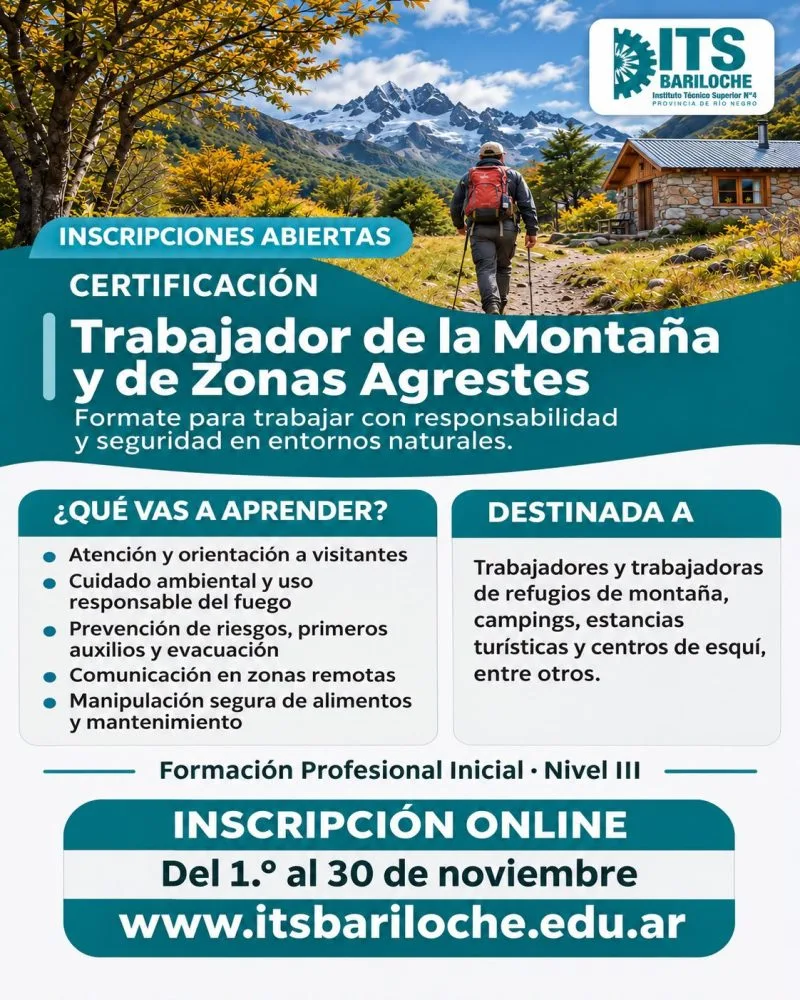
Photo: Club Andino Bariloche.
Who it is aimed at and what jobs it covers
The call from ITS Bariloche and the Club Andino is aimed at a broad universe of trades linked to nature tourism in Andean Patagonia. The training is intended for:
- Staff of mountain huts who attend mountaineers and hikers during the season.
- Workers in campgrounds and tourist estancias who receive visitors in rural areas.
- Employees of ski resorts and other establishments related to tourist and recreational activities.
Local research on the program adds that the target audience includes patrollers, porters, monitors, trail maintenance staff, hut and campground staff, and even sales staff at ski resorts. In all cases, these are positions that combine contact with the public, operational tasks and a high exposure to mountain conditions and changing weather.
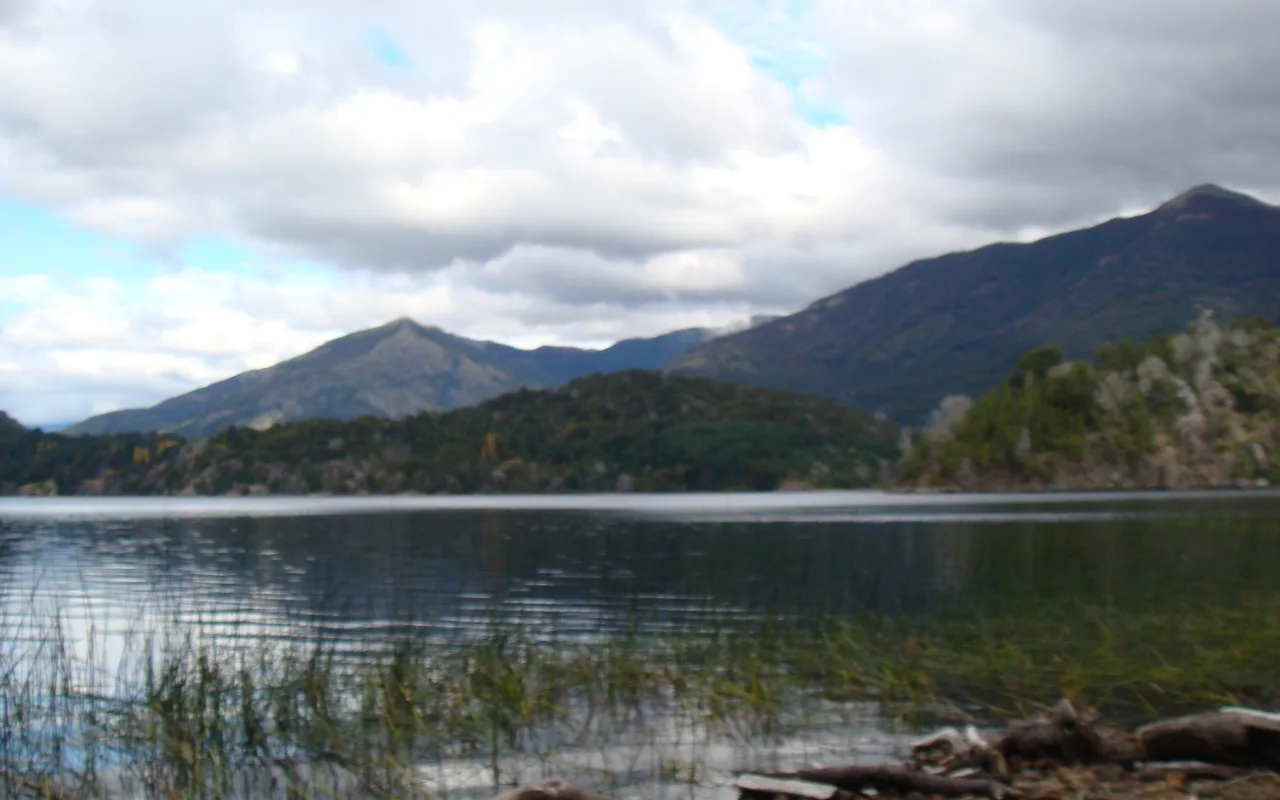
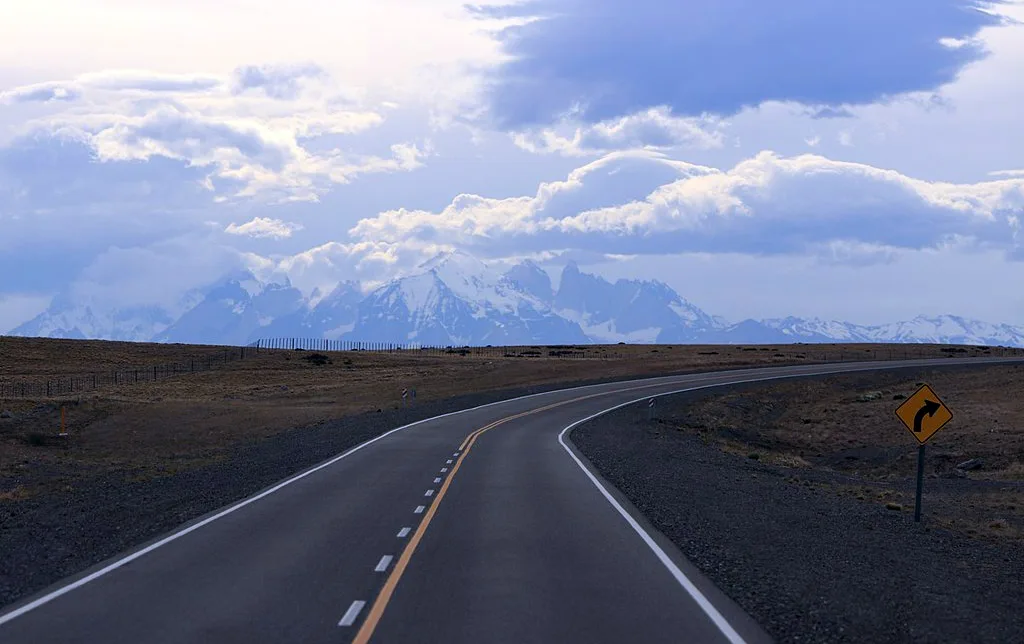
Bariloche, Río Negro, Argentina. Photo: Ricardo Astrauskas, CC BY-SA 3.0, via Wikimedia Commons.
What content is taught: from safety to environmental care
The program described by the Club Andino is organized around the core themes that define responsible work in wilderness environments:
- Visitor service and guidance: skills to receive, inform and guide those who arrive at huts, campgrounds or ski resorts, including basic indications about trails, rules and conditions of the place.
- Environmental care and responsible use of fire: guidelines to minimize impact on the environment, manage waste and prevent forest fires in high-risk areas.
- Risk prevention: identification of typical hazards in the mountains and in tourist establishments, along with criteria for making safe decisions.
- First aid and evacuation procedures: key content for an initial response to accidents in hard-to-reach areas.
- Communication tools in remote areas: use of radios, alert systems and other technologies adapted to areas without conventional coverage.
- Safe food handling: good practices in contexts where there is often no running water or natural gas.
- Maintenance tasks: from the upkeep of trails and minor structures to basic maintenance of hut and campground facilities.
Sources from ITS and local media add that the plan includes modules in English, geography, cartography, meteorology, sustainability, safety and hygiene, and the use of technical tools, in addition to field trips to huts and estancias in the region. Simulations and the development of action protocols for different emergency situations are also carried out.
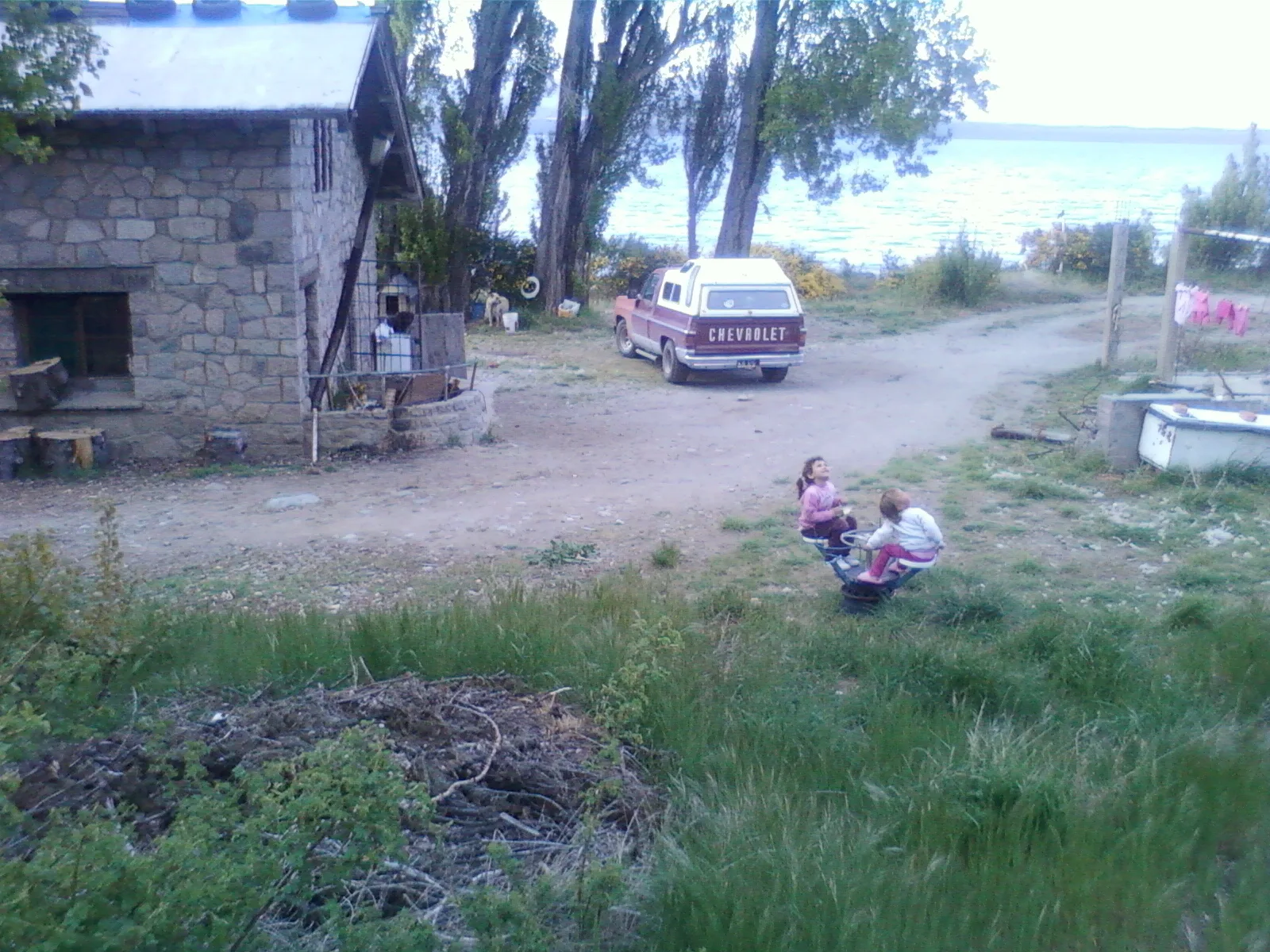
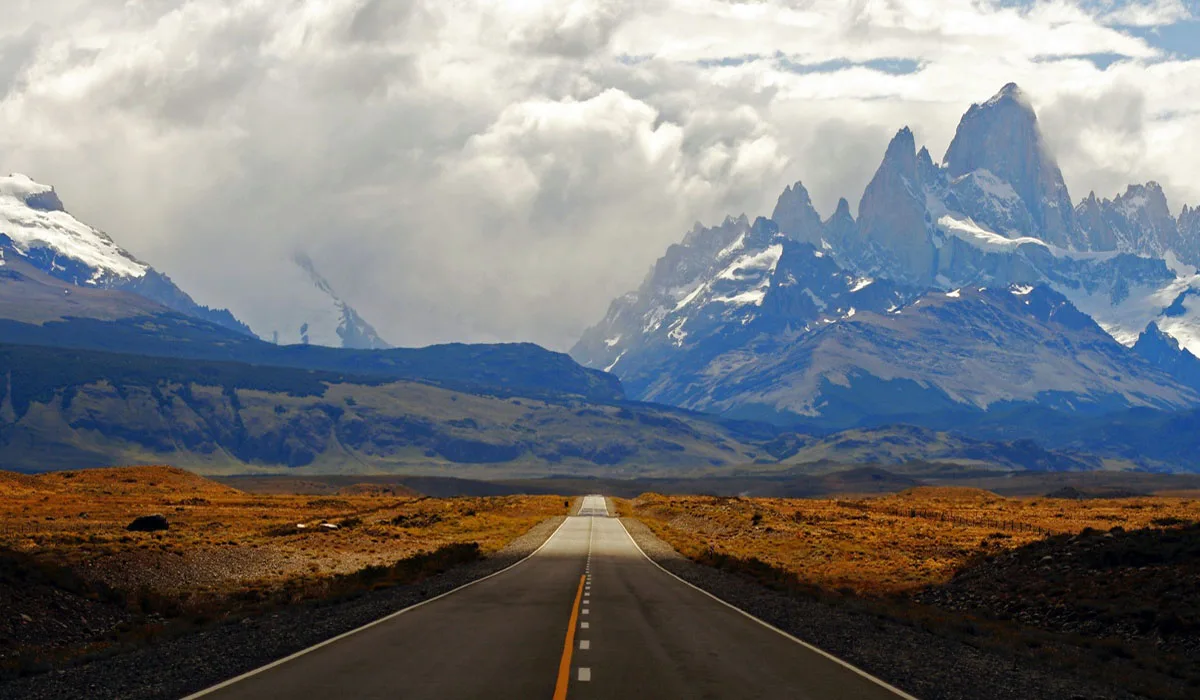
Bariloche, Río Negro, Argentina. Photo: Karilin Gonzalez, CC BY 3.0, via Wikimedia Commons.
Duration, modality and field practice
In recent cycles, the training was organized in one semester of classes, with a workload of 336 hours distributed over 24 weeks, at a rate of about 14 hours per week. This structure made it possible to combine theoretical classes at ITS Bariloche with field trips.
The proposal includes a strong component of professional practice in mountain environments. According to provincial information, around 160 hours of annual practice are carried out in huts and estancias in the area, with reported experiences, for example, at the Roca Negra hut on Cerro López, in areas linked to Parque Nacional Nahuel Huapi.
These field instances are key to bringing real situations into the classroom: evacuations, service to large groups, sudden weather changes or maintenance tasks after snow or rain storms.
How and until when to register
Registrations for this edition of the certification are carried out online from Sunday 1 to Monday 30 November, through the official ITS Bariloche website: www.itsbariloche.edu.ar.
In other recent cohorts, the institute set a maximum quota of 30 students and, if that number was exceeded in the pre-registration, a public drawing was held. That is why it is recommended to complete registration within the established dates and to follow the updated instructions on the ITS website.
This is free training in the provincial public system, with official certification and recognition in the regional tourism sphere.
Why it matters for those who travel and for those who work in the mountains
The proposal of ITS Bariloche aims to professionalize tasks that already exist in the daily life of refuges, campgrounds and ski resorts in Patagonia. Better trained staff directly impacts the experience of those who visit the region: it improves the quality of the information they receive, streamlines safety procedures and helps reduce accidents.
At the same time, the training seeks to strengthen the role of these workers as assistants in the conservation of natural and cultural heritage. In practice, they are the ones who day by day explain rules for trail use, schedules, restrictions due to fire risk or presence of wildlife, and those who give the first alert in the event of incidents.
For those who live in Bariloche or nearby towns and already work in nature tourism, certification opens a path for formal training that can improve their job prospects and the quality of the services they provide.
Anyone planning a work season in refuges, ranches or ski resorts in the area can take advantage of this November registration period to check requirements and content on the ITS Bariloche website, organize their calendar and get ready to attend the next cycle.
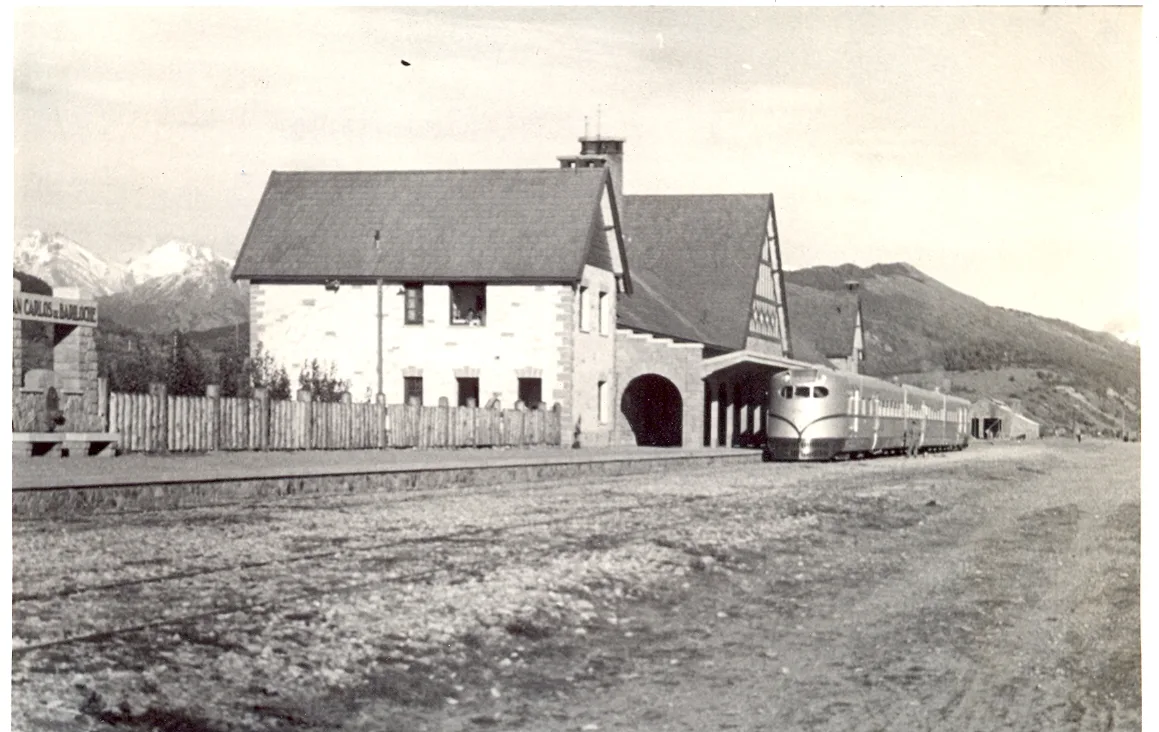
Cover photo: Desconocido Unknown author, Public domain, via Wikimedia Commons.
More information: El Cordillerano · Club Andino Bariloche · Diario Río Negro
Source: Club Andino Bariloche
Frequently asked questions
- Until when is there time to register for the Mountain and Wilderness Worker certification?
- According to the call published by Club Andino Bariloche, online registration takes place from 1 to 30 November through the ITS Bariloche website.
- Who can register for this ITS Bariloche training?
- The training is aimed at workers of mountain refugios, campings, estancias turísticas, ski centers and other establishments linked to tourism and recreational activities in natural environments.
- What topics are covered in the Mountain and Wilderness Worker training?
- Among the planned topics are visitor care and guidance, environmental care and responsible use of fire, risk prevention, first aid and evacuation, communication in remote areas, safe food handling and maintenance tasks.
Original source: clubandino.org
Share
Rate this story
No ratings yet
0 comments
No comments yet. Be the first!
You may also like
 Chile launches 2026-2027 “Juntos pongamos un Alto al Fuego” campaign against forest fires
 Hike to Lago Guillelmo on November 1
 Lessons from Albardão for the conservation of the Mar Patagónico
 Living Mountains 2026: Knowing to Care
 Interpretive tour of major Malvinas milestones in Puerto Madryn
 First edition of the cultural festival “Madryn se encuentra”
 Fourth edition of Lobo Beach in Puerto Madryn
 Camino de la Fe: a journey through the stories that connect Neuquén