Valparaíso Hosts International Meeting to Conserve the Sea Beyond Borders
Valparaíso, Chile – The Forum for the Conservation of the Patagonian Sea and Areas of Influence, a network of 30 leading NGOs in marine conservation from the Southern Cone, held the international meeting “Conserve the Sea, Beyond Borders.” This regional event brought together key figures from society…
Machine translation.
Valparaíso was the venue for the international meeting “Conserve the Sea, Beyond Borders,” supporting the Technical Secretariat of the BBNJ Treaty and strengthening global ocean governance.
Valparaíso, Chile – The Forum for the Conservation of the Patagonian Sea and Areas of Influence, a network of 30 leading marine conservation NGOs from the Southern Cone, held the international meeting “Conserve the Sea, Beyond Borders.” This regional event brought together representatives from civil society, government authorities, legislators, and academics to support the proposal of the State of Chile to establish in Valparaíso the Technical Secretariat of the Treaty on the Conservation and Sustainable Use of Marine Biodiversity Beyond National Jurisdiction (BBNJ).
The meeting took place within the framework of the XXIII Plenary of the Forum, which annually gathers 30 organizations from Argentina, Chile, Brazil, and Uruguay. These institutions work together to plan strategies, identify gaps and challenges, and strengthen the conservation of species and ecosystems of the Patagonian Sea and its areas of influence. This regional cooperation is a prominent example of how marine protection transcends political borders to promote effective global ocean governance.
“The Forum arises from the conviction that marine life, the ecological integrity of marine and coastal ecosystems, oceanographic processes, and the cycles of elements transcend the borders that human societies have established,” explains Andrea Michelson, Coordinator of the Forum.
“It is significant that this Treaty, by focusing on areas beyond national jurisdictions, is inspired by a similar logic: it recognizes the prominence of biological diversity and promotes international cooperation for its conservation and sustainable use.”
Regarding Valparaíso's candidacy as the technical headquarters of the BBNJ Treaty, Daniela Castro, Coordinator of the Chile Node of the Forum, comments:
“Since last year, we have called on the countries of the Southern Cone to ratify this priority treaty that will allow the implementation of conservation measures based on areas and the sustainable and equitable use of genetic resources in the high seas. Additionally, we support Valparaíso as the first UN headquarters in a South American country.”
This international agreement represents a historic advance for marine management and conservation at the global level. Alejandro Vila, President of the Forum, highlights:
“We eagerly await the entry into force of the Treaty, following the signing and ratification by law of at least 60 countries worldwide. Chile was one of the first countries to ratify the Treaty, so, in addition to applying to host the Secretariat of this new convention, it continues to demonstrate its leadership and commitment to internationally relevant marine issues.”
Valparaíso: strategic epicenter for global ocean governance
Valparaíso, beyond its historical richness and port importance, is projected as a nerve center for international ocean governance. The city's candidacy to host the Technical Secretariat of the BBNJ Treaty has received solid support at both national and international levels, consolidating Chile as a key player in global marine conservation.
The recent signing of the “Valparaíso Declaration” by the Foreign Ministry and the Council of Rectors of the city underscores the institutional commitment for Valparaíso to be the headquarters of this body. This would mark a milestone, being the first time South America hosts a global governance instance on marine biodiversity, reinforcing Chile's oceanic vocation and its leadership in ocean protection. Currently, nearly 43% of Chile's Exclusive Economic Zone is under some form of protection, reflecting an active commitment to conservation.
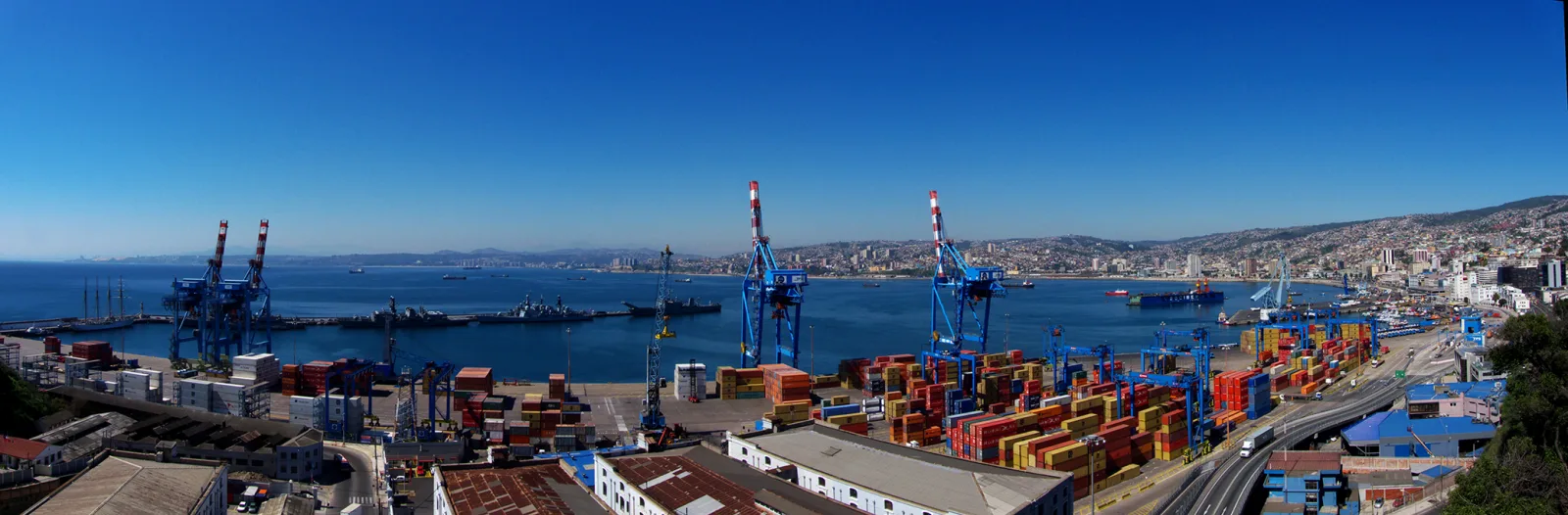
A typical panoramic image of Valparaíso, Chile | Photo: Javier Rubilar
The BBNJ Treaty: a key advance for the protection of the high seas
The Treaty on Marine Biodiversity Beyond National Jurisdiction (BBNJ) aims to protect at least 30% of the oceans by 2030. To achieve this, it regulates access to genetic resources and establishes marine protected areas in the high seas, which represent about 60% of the world's ocean surface and where currently less than 1% is protected.
This treaty is fundamental to addressing global threats such as illegal fishing, marine pollution, and deep-sea mining, as well as strengthening the resilience of marine ecosystems against climate change. The high seas play an essential role in global climate regulation and oxygen production, and they harbor unique biodiversity alongside genetically valuable scientific and economic resources.
Regional cooperation and science for marine conservation
Since its creation in 2004, the Forum for the Conservation of the Patagonian Sea and Areas of Influence has promoted a regional vision based on consensus, scientific information, and interdisciplinary integration. This space articulates efforts among civil society organizations, the public and private sectors to achieve ecosystem integrity and effective management of the Patagonian Sea.
The meeting in Valparaíso will be a key opportunity to strengthen regional cooperation, identify opportunities for scientific research, and advance public policies that allow for the conservation of the sea beyond national borders. Collaboration between Chile, Southern Cone countries, and international partners, such as France, is essential to achieving the global goal of protecting 30% of the oceans by 2030.
Details of the international meeting “Conserve the Sea, Beyond Borders”
- Objective: To bring together experts, government officials, and representatives of civil society to foster regional cooperation and identify opportunities to promote scientific research, as well as implement policies and practices aimed at conserving the sea beyond borders.
- It took place on May 14, 2025
- Location: National Maritime Museum, Valparaíso
- Organized by: Forum for the Conservation of the Patagonian Sea and Areas of Influence
Valparaíso thus positions itself as an international reference in marine conservation and ocean governance, demonstrating that regional collaboration and commitment to ocean protection can transform the future of marine biodiversity and coastal communities in the Southern Cone and the world.
Source: Emilia Garro | learn more about the Forum's work at www.marpatagonico.org
Share
Rate this story
No ratings yet
0 comments
No comments yet. Be the first!
You may also like
 Identifying Conservation Areas for Sharks and Rays in the South Atlantic
 More Life in the Sea is a Call to Global Action from Patagonia
 Reforestemos: Sowing Hope into Native Forests in Patagonia and Beyond
 The return of the Choique Through Argentina-Chile Partnership in Patagonia
 Biodiversity in Patagonia: A Natural Paradise to Discover
 Renewable Energy Breakthrough: Haru Oni's Green Hydrogen From Patagonia
 Green Energy in Patagonia: Innovation Examples and Benefits
 Huemul The Patagonian Deer in Danger of Extinction - Conservation Projects