Identifying Conservation Areas for Sharks and Rays in the South Atlantic
Hello, nature explorers and guardians of the deep blue! At patagoniamas.com, we are always ready to dive into the vital stories of our planet, those that connect us with the amazing biodiversity that surrounds us. Today, our focus is on creatures that, at…
Machine translation.
Let's discover how crucial areas in the southwestern Atlantic are being identified and protected, a monumental step towards marine life protection and a future with Important Areas for the Conservation of Sharks and Rays.
A Cry of Hope from Patagonia
Hello, nature explorers and guardians of the deep blue! At patagoniamas.com, we are always ready to dive into the vital stories of our planet, those that connect us with the amazing biodiversity that surrounds us. Today, our gaze rests on creatures that are often victims of myths and misunderstandings, but which are, in reality, essential architects of the health of our oceans: sharks and rays.
These fascinating species, silent guardians of the seas, face unprecedented challenges, but a light of hope shines thanks to the tireless efforts of the scientific and conservation community.
From the mysterious depths to the coastal waters that wash our shores, sharks and rays are fundamental pillars of the intricate marine food web. Their presence is an indicator of healthy and balanced ecosystems, and their decline is a warning sign for the entire ocean. That is why recent news, coming directly from the forefront of conservation science, is cause for celebration and, at the same time, a renewed call to action. The identification of Important Areas for Sharks and Rays (ISRA) in the southwestern Atlantic is not just a scientific achievement; it is an act of love and commitment to life, a beacon guiding us towards a more promising tomorrow for these magnificent creatures and, consequently, for ourselves.
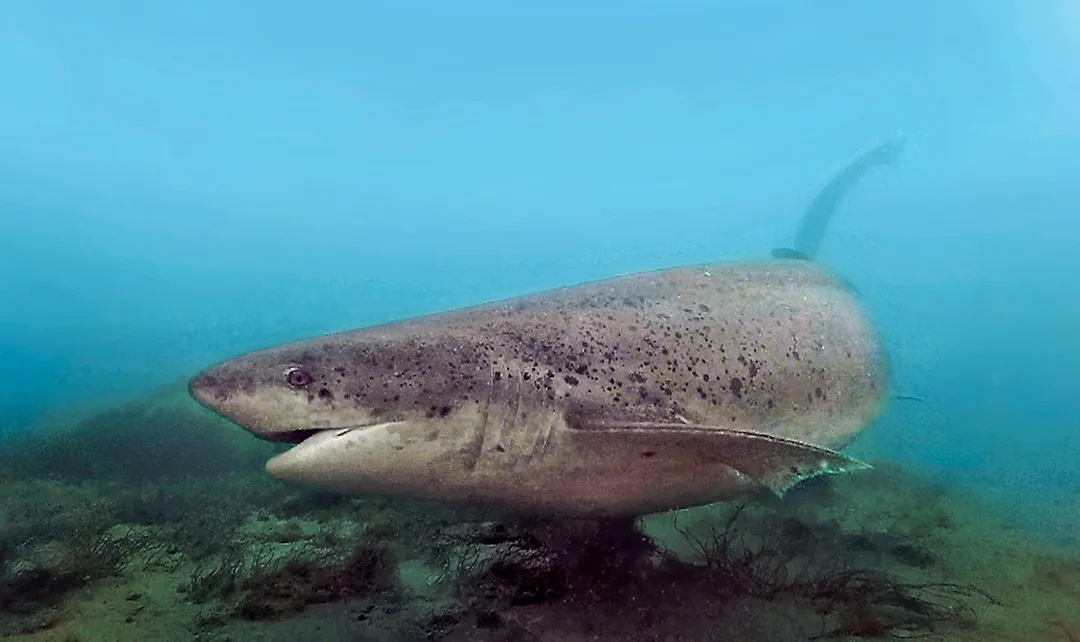
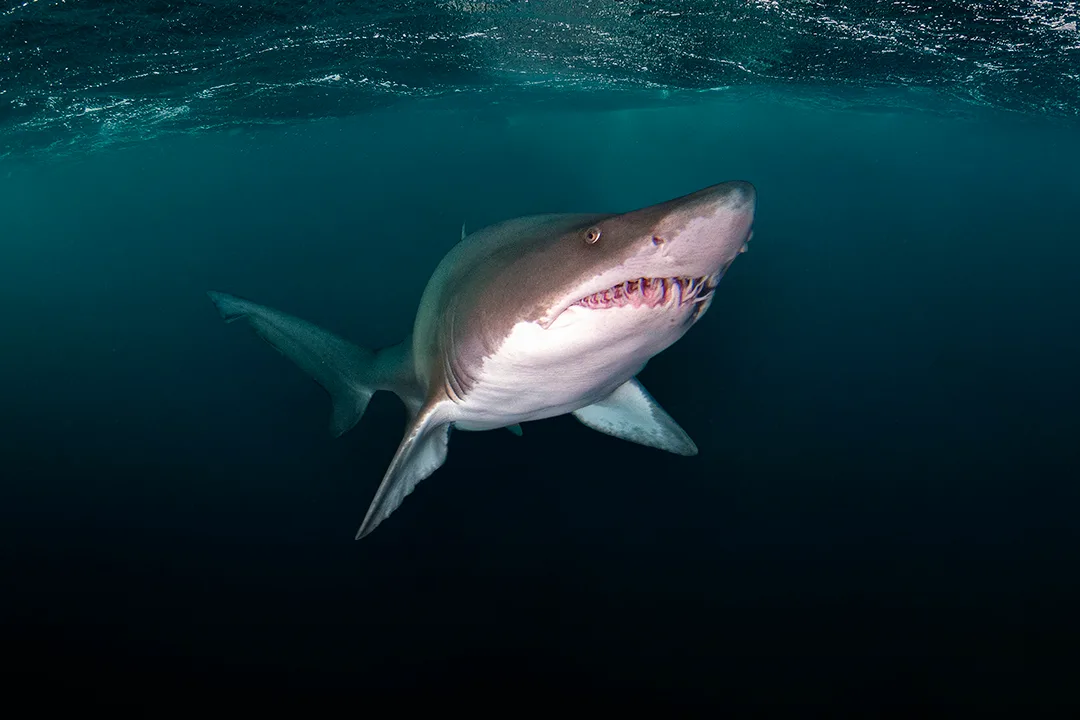
Leopard shark - Photo: Alejo Irigoyen
The International Union for Conservation of Sharks and Rays Project is An Atlas of Hope
IUCN (International Union for Conservation of Nature), a leading global organization in nature conservation, has taken a monumental step through its ambitious ISRA project (Important Areas for Sharks and Rays). This project represents a monumental global effort to identify and map the "crucial points" or "hotspots" of biodiversity for these species, those marine areas that are vital for their long-term survival. The culmination of this effort is the update of its Atlas of Crucial Points for Shark Conservation, an indispensable tool for decision-making and marine conservation planning on a global scale.
What makes this recent update particularly relevant and exciting for our region, the southwestern Atlantic, is that for the first time it includes this vast and rich area of our planet. This means that, thanks to an unprecedented collaborative effort, the eyes of the conservation world have turned towards our coasts, recognizing the unique importance of our waters for the survival of these cartilaginous fish. This milestone would not have been possible without the dedication and knowledge of a global scientific community. With the scientific collaboration of over 190 experts from South America and other parts of the world, 81 ISRA areas, two ISRA candidates, and 25 Areas of Interest were meticulously identified based on rigorous biological and ecological criteria.
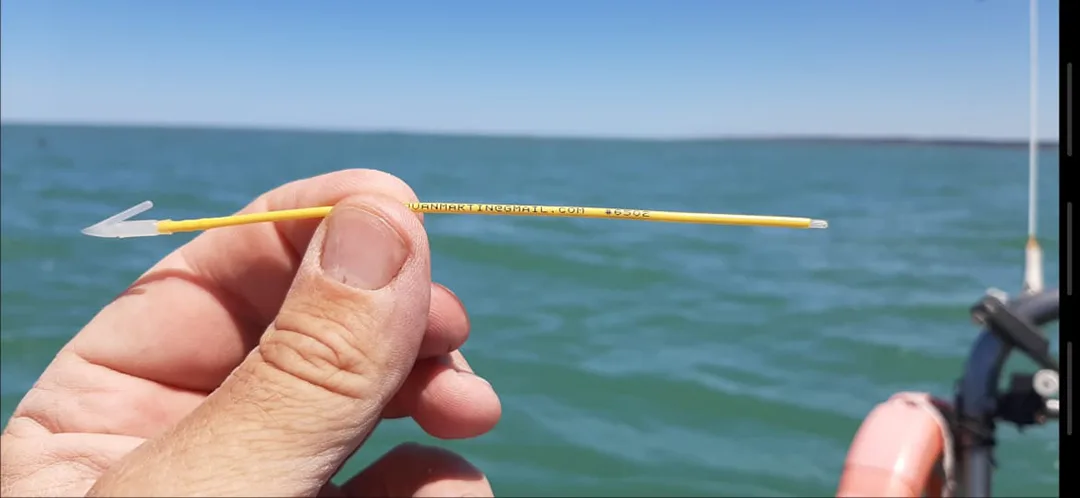
Shark Conservation Project in Argentina - Tag placed on sharks
This level of detail and collaboration underscores the complexity and urgency of the task. It is not just about marking an area on a map, but about deeply understanding the life cycles of these species, their feeding habits, their migratory routes, and their breeding and nursery areas. Each of these Important Areas is a testament to the underwater life that thrives within them and the pressing need to protect them from growing threats. The Atlas is not just a collection of maps; it is a roadmap for action, a guide for implementing effective and equitable conservation measures.
A Patagonian Commitment: Key Contributions from Argentina
Patagonia, with its untamed coasts and waters teeming with life, has been a fundamental player in this global process. Conservation organizations deeply rooted in the region, such as WCS Argentina (Wildlife Conservation Society), have led the way, providing their vast experience and local knowledge. Along with significant institutions like the National Parks Administration, the Scientific Research Commission of the Provincial University of the Southwest (CIC-UPS), and other local and regional organizations, WCS Argentina contributed valuable scientific information for the definition of three of the most important areas within our country.
These three jewels of Argentine conservation are: Mar del Plata-Mar Chiquita, El Rincón-Patagonia Norte, and Península San Julián. Each of them is a sanctuary for various species of chondrichthyans, many of which are sadly threatened. In these waters, we find refuge and food for sharks like the dogfish, the hammerhead, the bull shark, the leopard shark, and rays like the brown ray, and even the enigmatic spiny angel fish. The inclusion of these areas in the IUCN Atlas is a recognition of their invaluable ecological value and a crucial step towards ensuring their long-term protection.
The work of identifying these areas is not a mere academic exercise. Behind every coordinate and every geographical boundary, there are years of field research, population monitoring, and understanding of marine ecosystems. It is an effort that combines scientific rigor with the commitment of those who dedicate their lives to conservation, ensuring that decisions are based on the best available evidence. The definition of these areas is a milestone, but the real challenge and true hope lie in the effective implementation of protection measures that allow these species to regain their vitality.
Chondrichthyans: Fragile Giants of Our Ocean
To understand the urgency of this project, it is essential to know the protagonists: the chondrichthyans. This fascinating group of fish, which includes sharks, rays, and chimeras, is distinguished by having a cartilage skeleton instead of bone. This characteristic makes them unique among marine vertebrates. However, despite their impressive adaptation and crucial role in ecosystems, they are the most threatened group of marine vertebrates in the world.
The main cause of this alarming situation is excessive fishing pressure. The insatiable demand for their consumption as meat, the coveted shark fin soup, their oil, and other commercial uses has pushed their populations to the brink of collapse. Unlike other species, chondrichthyans have biological characteristics that make them especially vulnerable to overexploitation: slow growth, late sexual maturity, and low fecundity. These particularities mean that their populations cannot balance and recover from the intense exploitation to which they are exposed, pushing them ever closer to extinction.
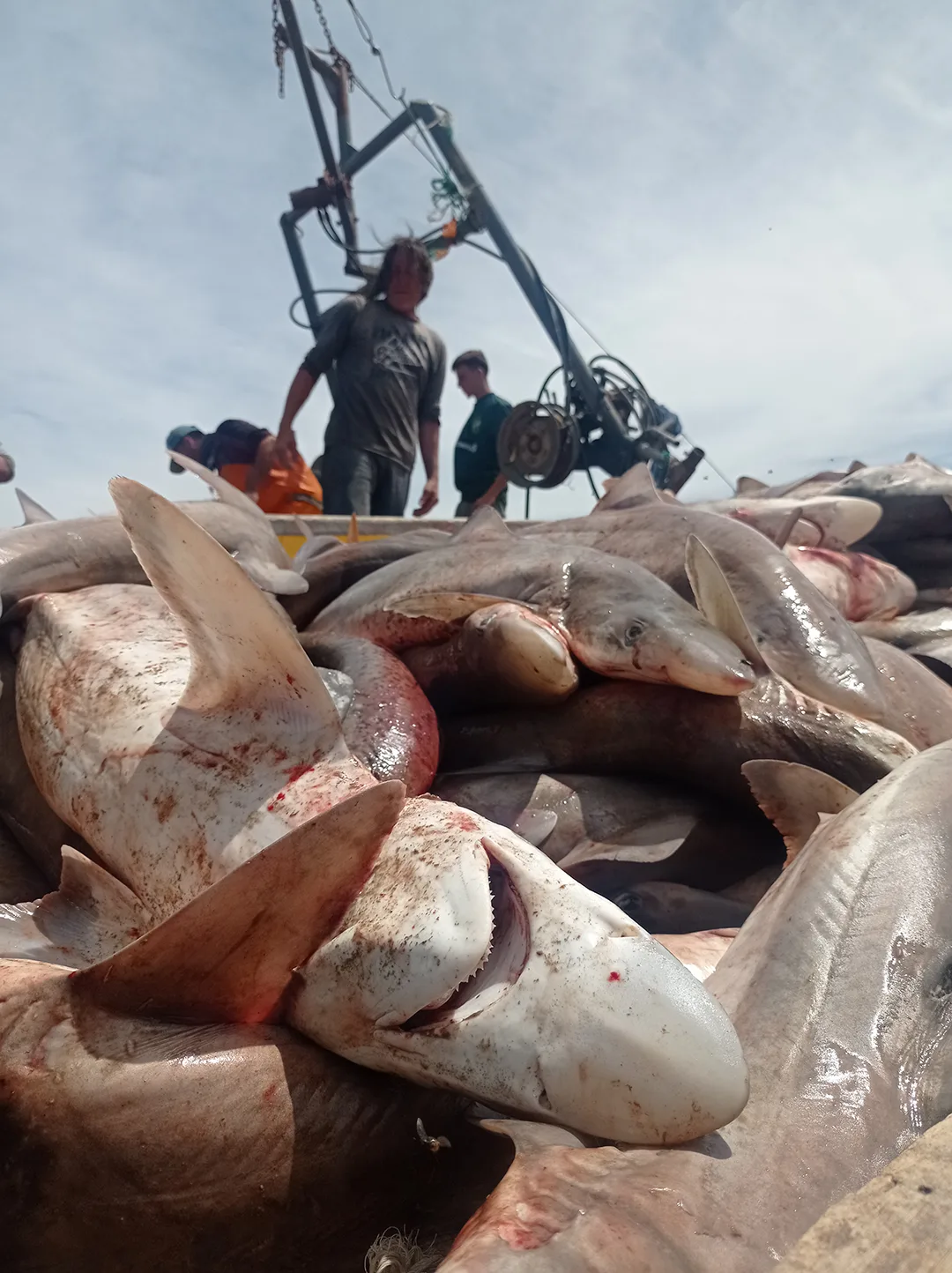
Shark fishery in Claromecó 2024 Source: WCS Argentina
In the Argentine Sea, the situation is particularly critical. 105 species of chondrichthyans have been identified, of which 55 are sharks, that live or migrate at different times of the year. Unfortunately, many of these species are at risk of extinction, underscoring the vital importance of initiatives like the ISRA project and the local commitment of organizations such as WCS Argentina. The loss of these species would not only mean a decrease in biodiversity; it would destabilize entire ecosystems, altering the food chain and affecting the overall health of the ocean.
“The Southwest Atlantic Ocean is an area of special concern for the conservation of these species, and defining specific areas where they inhabit, feed, or reproduce is essential to improve existing protection measures.”
Juan Martín Cuevas, conservation coordinator for rays and sharks at WCS Argentina
This statement highlights not only the vulnerability of the region but also the way forward: focused protection based on scientific knowledge. The contribution of researchers in this process is invaluable. As Cuevas mentions:
“As researchers, we were able to contribute specific and updated data that we obtained over nearly 15 years working together with fishermen from the Argentine Sea; even one of them who collaborates in one of our projects contributed his vast experience and figures as an author of one of the areas of the Atlas.”
This mention of the fisherman as an author is not a minor detail; it is a powerful testimony of how traditional knowledge and the experience of those who interact directly with the sea can enrich and validate scientific research. It is an example of citizen science at its finest.
Beyond the Laboratory: Citizen Science and the "Conserve Sharks in Argentina" Program
Science is not limited to laboratories and research vessels; often, its most valuable discoveries arise from collaboration and the passion of the community. A clear example of this is the citizen science program "Conserve Sharks in Argentina," an initiative that WCS Argentina has supported since 2013, along with the Natural Sciences Museum of the National University of La Plata and the Bernardino Rivadavia Argentine Museum of Natural Sciences.
This program is a true paradigm shift in the relationship between sport fishermen and marine conservation. Traditionally, sport fishing for large fish often involved capture and sacrifice. However, this bold initiative has encouraged fishermen to adopt two main proposals that make a monumental difference. On one hand, it promotes the shift from catch-and-kill fishing to catch-and-release fishing. This means that instead of taking the animal, fishermen release it after recording vital information. On the other hand, this practice of "catch, tag, and release" contributes to the collection of key information for the conservation of these species.
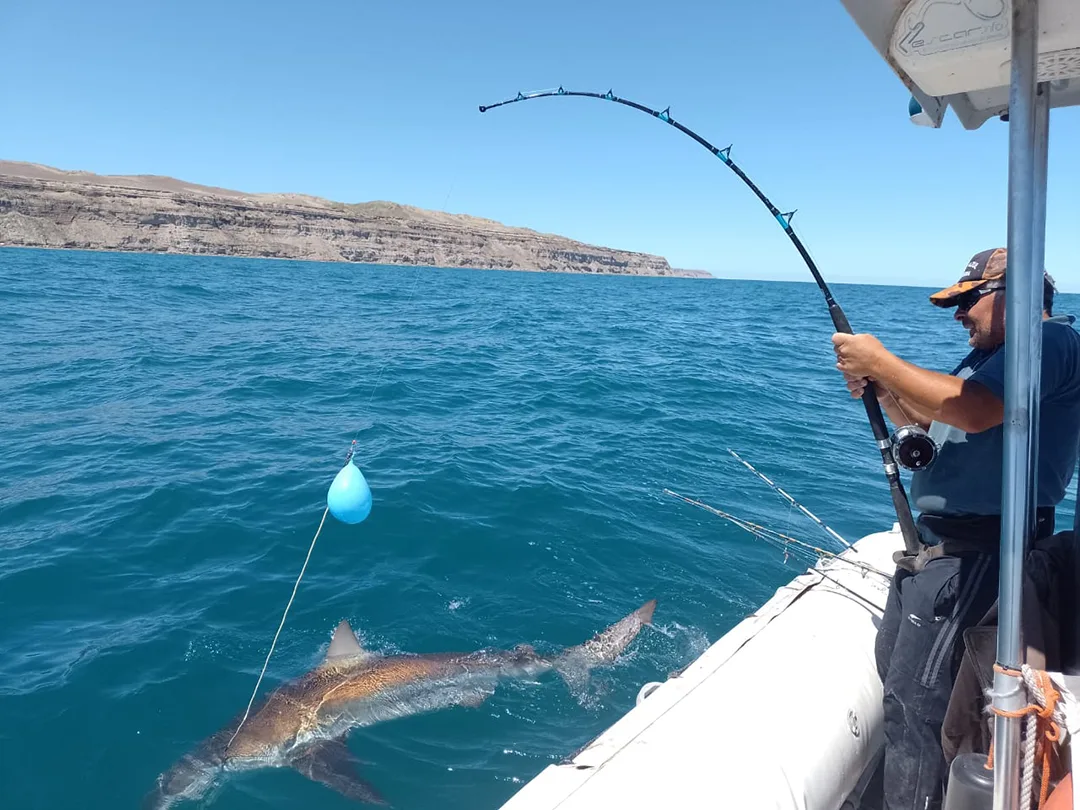
Conserve Sharks in Argentina Project - Tagging and releasing Bacota shark in Bahía Creek, Río Negro. Fisherman Gabriel Gray
The process is meticulous and of great scientific value. Fishermen, with the proper training, place a special tag under the dorsal fin of the captured individuals. Once tagged, the species is released back into the sea, carrying with it the necessary data for its identification in case of recapture. In addition to the tag, fishermen record other important data: the exact species, the sex and size of the animal, the type of bait used, the precise date of capture, and, crucially, the site with the exact coordinates of where each tagged shark was released.
The results of this program are impressive and demonstrate the power of citizen participation. So far, more than 240 sport fishermen and fishing guides from the coasts of Buenos Aires, Río Negro, Chubut, and Santa Cruz have actively joined this initiative. It is estimated that, thanks to their commitment, they have achieved more than fifteen thousand returns of sharks to the sea, of which more than 3,300 have tags for long-term monitoring. The most exciting part is that more than 30 of these tagged sharks have been recaptured, providing invaluable data on their movements, growth, and survival.
The program does not stop at data collection; it also includes training and awareness actions, fundamental for educating and empowering the fishing community. In addition, they are provided with essential tools such as tags and circle hooks, which are key for the safe catch and release of individuals, minimizing harm to the animals. This synergy between scientists and fishermen is a model to follow, demonstrating that the passion for the sport can go hand in hand with environmental responsibility.
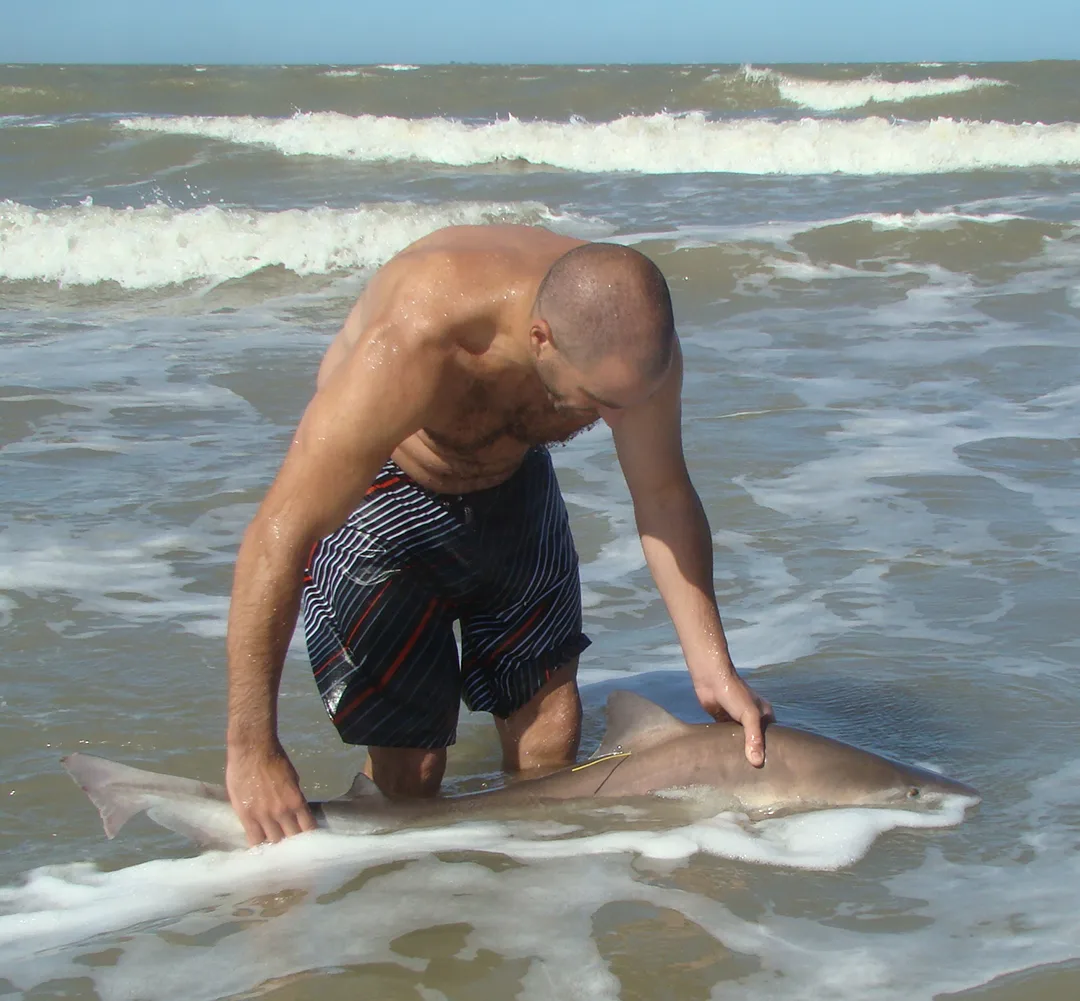
Shark Release as part of the Conservar Tiburones en Argentina project - Fisherman Leo Carbone
The Heart of Conservation in Buenos Aires: Mar del Plata-Mar Chiquita and El Rincón-North Patagonia
The areas identified as ISRA vary drastically in size, reflecting the diversity of habitats for chondrichthyans. They can range from tiny zones of 0.27 km² to enormous expanses of 106,490 km². In Argentina, more than 20 important areas have been defined. Within this set, WCS Argentina, relying on scientific information and vital data provided by sport fishermen participating in "Conservar Tiburones en Argentina," as well as by artisanal fishermen, promoted the inclusion of two critical zones in the Province of Buenos Aires: Mar del Plata-Mar Chiquita and El Rincón-North Patagonia.
Mar del Plata-Mar Chiquita: A Threatened Coastal Sanctuary
The area known as Mar del Plata-Mar Chiquita extends over 559.7 km² and encompasses the coastal waters from the vibrant city of Mar del Plata to the Laguna de Mar Chiquita, a unique lagoon system further north. This zone is characterized by low visibility waters, complex seabeds with rocky substrates, and the presence of soft corals. These conditions create an ideal habitat for various species, but also a meeting point with human activity.
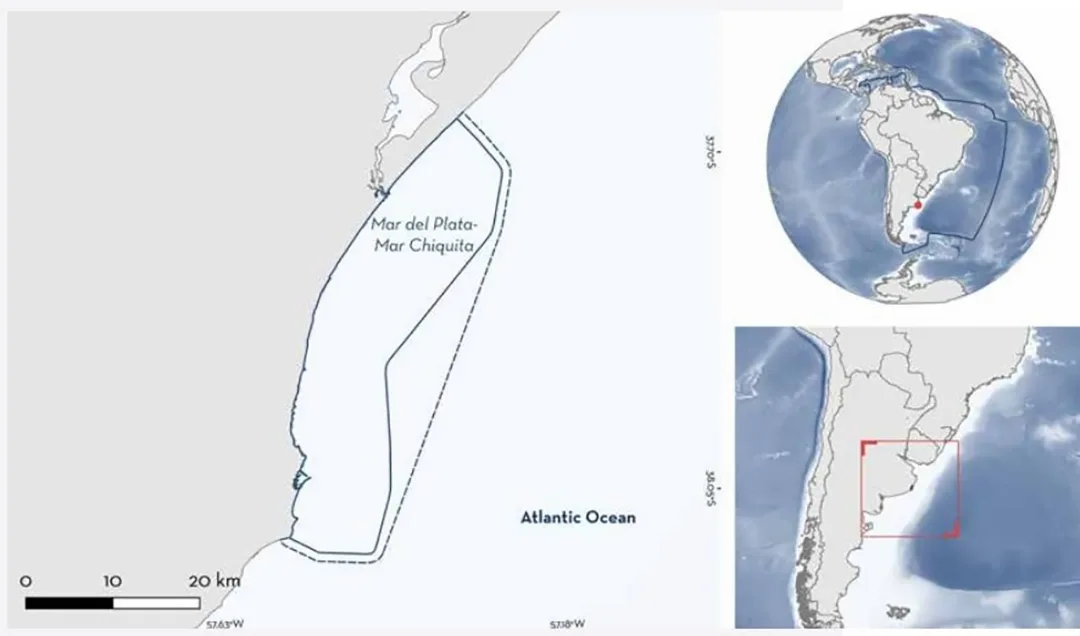
ISRA Map Mar del Plata Mar Chiquita - Source: IUCN SSC Shark Specialist Group
Here, unfortunately, threatened shark species can be found, such as the emblematic hammerhead and the bacota. The situation of the hammerhead shark is particularly alarming: its populations have decreased by more than 80% in the last seven decades. As a result, it is listed as Critically Endangered according to IUCN criteria, meaning it faces an extremely high risk of extinction in the wild. The protection of this area is, therefore, a matter of life or death for the hammerhead, an essential apex predator for the balance of its ecosystem.
El Rincón-North Patagonia: Estuarine Productivity and Biodiversity
Further south, but still in the province of Buenos Aires, lies El Rincón-North Patagonia, a much larger area of 13,966 km². This vastness encompasses Bahía Anegada, a significant part of Bahía Blanca, and the coast of Claromecó. Its distinctive feature is its estuarine waters, which experience seasonal variations in their extent due to the force of tides and wind action. The area is strongly influenced by the discharge of several rivers, giving it high biological productivity, making it a true marine nursery.
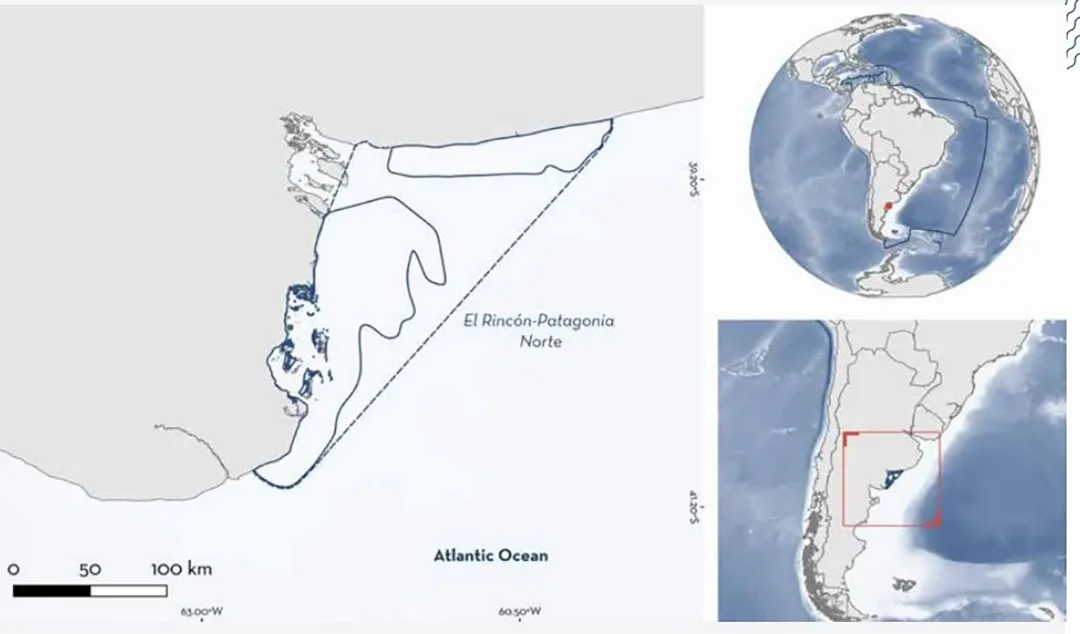
ISRA Map El Rincón North Patagonia - Source: IUCN SSC Shark Specialist Group
Within this crucial area, equally threatened chondrichthyan species inhabit, including the smoothhound, the brown ray, the spiny angel shark, the bacota, the dogfish, and the leopard shark. The situation of the smoothhound is especially concerning: it has also been listed as Critically Endangered since 2020. According to the National Institute of Fisheries Research and Development (INIDEP), the smoothhound is the most commercially exploited shark in Argentina, and its stock has been regionally overexploited since 2024. The designation of this area as ISRA is vital for implementing measures that reverse this trend and allow for the recovery of these populations. Juan Martín Cuevas raises a crucial concern:
“Many of these species are endemic, meaning they inhabit exclusively in this region, and if they disappear in these areas, they would go extinct directly.” “The information obtained thanks to the commitment of sport fishermen is fundamental; they also establish a different bond with the animals, rejoicing when they see them return to the sea swimming healthily or when they obtain a recapture after several years in some cases. The information obtained thanks to the commitment of sport fishermen is fundamental; they also establish a different bond with the animals, rejoicing when they see them return to the sea swimming healthily or when they obtain a recapture after several years in some cases."
This reality marks the unique responsibility we have over these species. The loss of an endemic species is a global extinction, an irreversible scar on the fabric of life on Earth. The role of citizen science is once again highlighted by Cuevas: This emotional connection is a testament to the change in mindset that is being achieved. In relation to commercial fishing, "we promote sustainable practices in small-scale fisheries and it is also essential to advance national and international regulations that cover the entire distribution area of these species that are so valuable to the marine ecosystem, as these areas are key for that." This dual approach, from the grassroots with citizen science to large-scale policies, is the key to successful conservation.
San Julián Peninsula: A Promise for the Future in Santa Cruz
In addition to the areas in Buenos Aires, WCS Argentina has also extended its invaluable contribution to the identification of the San Julián Peninsula, located in the Province of Santa Cruz. This area has been recognized as an Area of Interest for the conservation of sharks and rays. Although it does not yet have enough information to meet all the criteria and be formally declared as ISRA, its identification as an "Area of Interest" is a fundamental first step. It indicates significant ecological potential and the need for more research and monitoring to fully understand its importance and, eventually, elevate it to ISRA status. Southern Patagonia continues to reveal its secrets and its vital importance for global marine conservation.
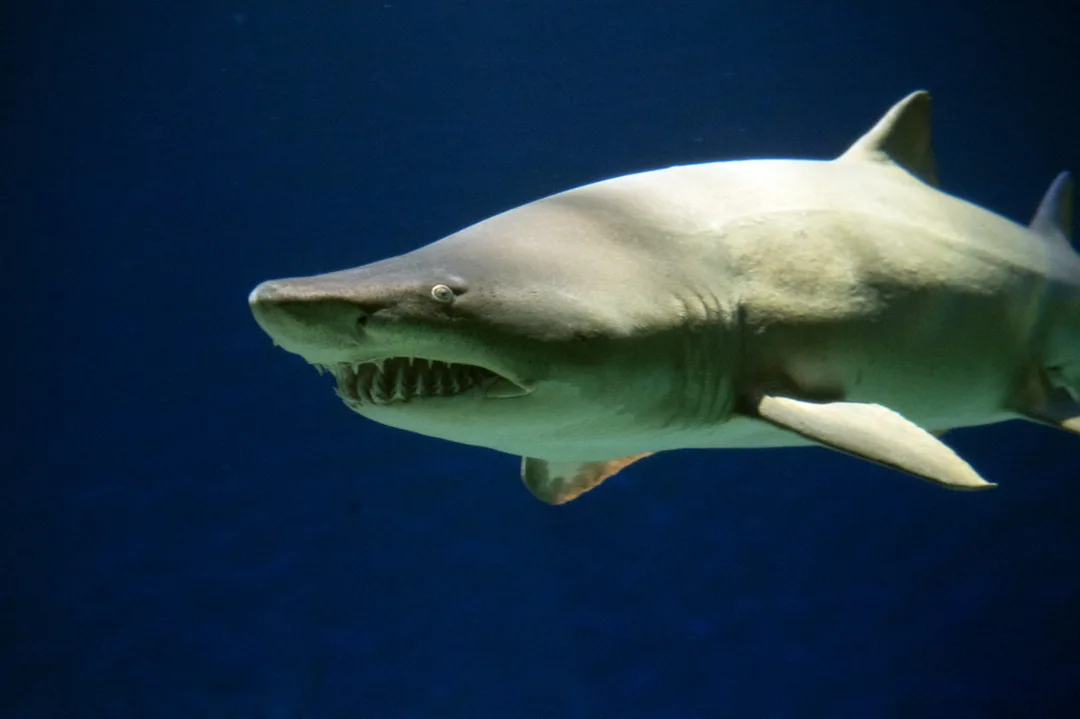
Scalloped Hammerhead Shark - Source: Julie Larsen Maher of WCS Argentina
The Future of Chondrichthyans: A Global and Local Commitment
The identification of these Important Areas for Sharks and Rays in the southwestern Atlantic, and particularly in Argentina, marks a crucial milestone. It not only provides us with a clear roadmap for conservation but also elevates the visibility of these vulnerable species on a global scale. The ISRA project of the IUCN is a reminder that effective conservation requires rigorous science, international collaboration, commitment from local communities, and the political will to implement protective measures.
Sharks and rays are much more than the predators often presented to us in the media. They are ecosystem engineers, maintaining the balance of fish populations, eliminating the weak and sick, and ensuring the vitality of the oceans. Their decline has cascading effects that can destabilize entire marine ecosystems, with unpredictable consequences for the health of our planet. Protecting them is not just a matter of ethics or biodiversity; it is a matter of ecosystem survival.
The work of organizations like WCS Argentina, in conjunction with universities, national administrations, and, crucially, the fishing community, is a model for how conservation should be approached in the 21st century. Citizen science, in particular, demonstrates that every person, with the right training and willingness, can become an active guardian of nature. Sport fishermen, by shifting from catch-and-kill to catch-and-release, not only contribute vital data but also become ambassadors for conservation, inspiring others to follow their example.
The goal is clear: to reverse the declining trends of chondrichthyans and ensure that their populations can thrive. This will require the implementation of stricter and more sustainable fishing regulations, the effective creation and management of marine protected areas, and the reduction of other threats such as marine pollution. ISRA areas are the foundations upon which these conservation strategies can be built. They are the places where concentrated efforts can generate the greatest positive impact.
An Ocean of Opportunities for Life
From the frigid waters of Patagonia to the warm currents of the southwestern Atlantic, our oceans are teeming with life and mystery, with fragility and resilience. Sharks and rays, those ancestral beings that have navigated the seas for millions of years, are today the spokespeople for an urgent call to action. Their fate is intrinsically linked to ours, and their conservation is a barometer of our own ability to coexist in harmony with nature.
At patagoniamas.com, we firmly believe that knowledge is the first step toward action, and action is the key to hope. The identification of these Important Areas for Sharks and Rays is more than a scientific victory; it is a beacon that illuminates the path toward a future where marine biodiversity not only survives but thrives. We invite you to be part of this wave of change. Inform your friends, support organizations working on the front lines of conservation, and reflect on how your daily actions impact the great blue. Every choice matters. Every voice counts. Together, we can ensure that sharks and rays, those magnificent inhabitants of the depths, continue to swim free, guaranteeing a vibrant and life-filled ocean for generations to come. The southwestern Atlantic calls us; let us respond with a renewed commitment and unwavering hope for Sharks and Rays: Important Areas of the Atlantic for Their Conservation and, therefore, for life across our entire planet.
About WCS Argentina
Wildlife Conservation Society (WCS) is a civil society organization created in 1895 with the aim of protecting wildlife and wild landscapes. It has been working in Argentina since the 1960s to conserve the country's wild environments and species. Together with governments, scientists, civil society organizations, the private sector, and local communities, it generates effective, innovative, and science-based solutions to protect wildlife, promoting the coexistence of communities with nature. https://argentina.wcs.org
Share
Rate this story
No ratings yet
0 comments
No comments yet. Be the first!
You may also like
 More Life in the Sea is a Call to Global Action from Patagonia
 Reforestemos: Sowing Hope into Native Forests in Patagonia and Beyond
 The return of the Choique Through Argentina-Chile Partnership in Patagonia
 Biodiversity in Patagonia: A Natural Paradise to Discover
 Renewable Energy Breakthrough: Haru Oni's Green Hydrogen From Patagonia
 Green Energy in Patagonia: Innovation Examples and Benefits
 Huemul The Patagonian Deer in Danger of Extinction - Conservation Projects
 Valparaíso Hosts International Meeting to Conserve the Sea Beyond Borders