OpenAI in Patagonia: The Mega Tech Investment That Could Redefine Argentina's Digital Future
Machine translation.
The company that created ChatGPT announced in October 2025, along with the local firm Sur Energy, its intention to build a huge artificial intelligence data center for OpenAI in Patagonia, Argentina. The project, dubbed Stargate Argentina, involves an investment of up to US$25 billion and a complex with a computing capacity of 500 megawatts. According to the government, this initiative aims to position Argentina as a regional AI hub, leveraging its energy potential and technological talent.
Details of the OpenAI Project in Patagonia
So far, the concrete information is the official announcement and the signing of the letter of intent. No details about the exact location or start dates have been announced. It is mentioned that various Patagonian locations near urban centers are being analyzed, with plans to define the final site in the coming months. According to various reports, construction could begin in 2026, with the first 100 MW operational by the end of 2027. Subsequently, capacity would be added until reaching a total of 500 MW. It is important to highlight that this will be OpenAI's first Stargate project in Latin America (similar centers are already planned in the U.S., Norway, United Arab Emirates, United Kingdom, etc.).
Implications for Argentina
The magnitude of the project would have a strong economic and technological impact on the country. It is estimated that there will be thousands of direct and indirect jobs during the construction and operation of the center. According to Emiliano Kargieman (partner at Sur Energy), the plan would turn Argentina into a regional leader in AI infrastructure and attract international investment, in addition to creating high-quality jobs. CEO Sam Altman himself stated that the goal is to “put AI in the hands of people throughout Argentina” and that the project would help turn the country into an “AI hub for all of Latin America.”
At the same time, this project enhances the adoption of AI at the national level: OpenAI seeks to collaborate with the government to implement AI tools in public administration and in the training of local talent. In the words of the Ministry of Economy: “Investment is what our country needs to generate sustained growth, employment, and better wages.” It is also projected that the digital capacity generated will allow for the export of computing services (processing capabilities) as a new source of income for the knowledge economy. In summary, the expectations of authorities and experts are that the data center will drive the digital transformation of Argentina, strengthening the local technological ecosystem and improving its global competitiveness.
Advantages of Patagonia for the Project
The location in Patagonia responds to technical reasons: the region offers cold climate, abundant freshwater, and great availability of renewable energies (e.g., hydroelectricity in Neuquén, wind energy in Río Negro, solar in Chubut). These conditions are ideal for cooling servers and providing a constant supply for the data center. Proximity to high-voltage lines and fiber optic networks that cross Patagonia makes electrical and telecommunications connections more feasible. In summary, Patagonia offers low temperatures and reduced energy costs that Silicon Valley can no longer guarantee, making it “the ideal setting for this type of infrastructure.”
Opportunities and Potential Benefits
- Technological Boost: The project could help develop local capabilities in artificial intelligence and attract talent and investments to the country. With a data center of this nature, Argentina would have privileged access to cutting-edge computing capacity, which can stimulate startups and technology companies to innovate and grow.
- Employment and Economy: During the construction phase, it would generate jobs in engineering, construction, and logistics (thousands of temporary positions), in addition to permanent jobs (technicians, engineers, administrators) during operation. The project will mobilize foreign direct investment, foreign currency, and demand local services, which will invigorate the knowledge economy sector and exports of services based on digital infrastructure.
- Geostrategy: By joining the global Stargate network, Argentina would become one of the few countries with top-level AI infrastructure. Experts argue that, if realized, the center in Patagonia would be the third major AI center in the West (alongside the U.S. and Saudi Arabia), positioning the country with “an unusual centrality” in the global digital economy. This geopolitical prominence could translate into international alliances and an improvement in Argentina's technological reputation.
The Birth of an Idea: Artificial Intelligence at the End of the World
The project began to take public shape after meetings between OpenAI executives and Argentine government officials led by President Javier Milei. The meeting, held at the Casa Rosada, marked the formal start of discussions to establish one of the most ambitious computing centers ever projected in Latin America.
The initiative, informally known as Stargate Argentina, involves a potential investment close to 25 billion dollars and infrastructure capable of reaching up to 500 megawatts of computing power. To understand the magnitude: we are talking about an energy installation comparable to the electrical consumption of a medium-sized city operating continuously, day and night.
The local partner of the project would be Sur Energy, a company responsible for energy development and associated infrastructure. OpenAI, led by its CEO Sam Altman, would act as the main user of the processing capacity, intended to train and operate large-scale artificial intelligence models.
The vision behind the project is clear: artificial intelligence needs enormous amounts of energy, climate stability, and connectivity. And surprisingly, few places on the planet combine those conditions like Patagonia.
What is a data center really and why does it matter so much?
To understand the strategic dimension of OpenAI's project in Patagonia, one must first understand what a modern data center is.
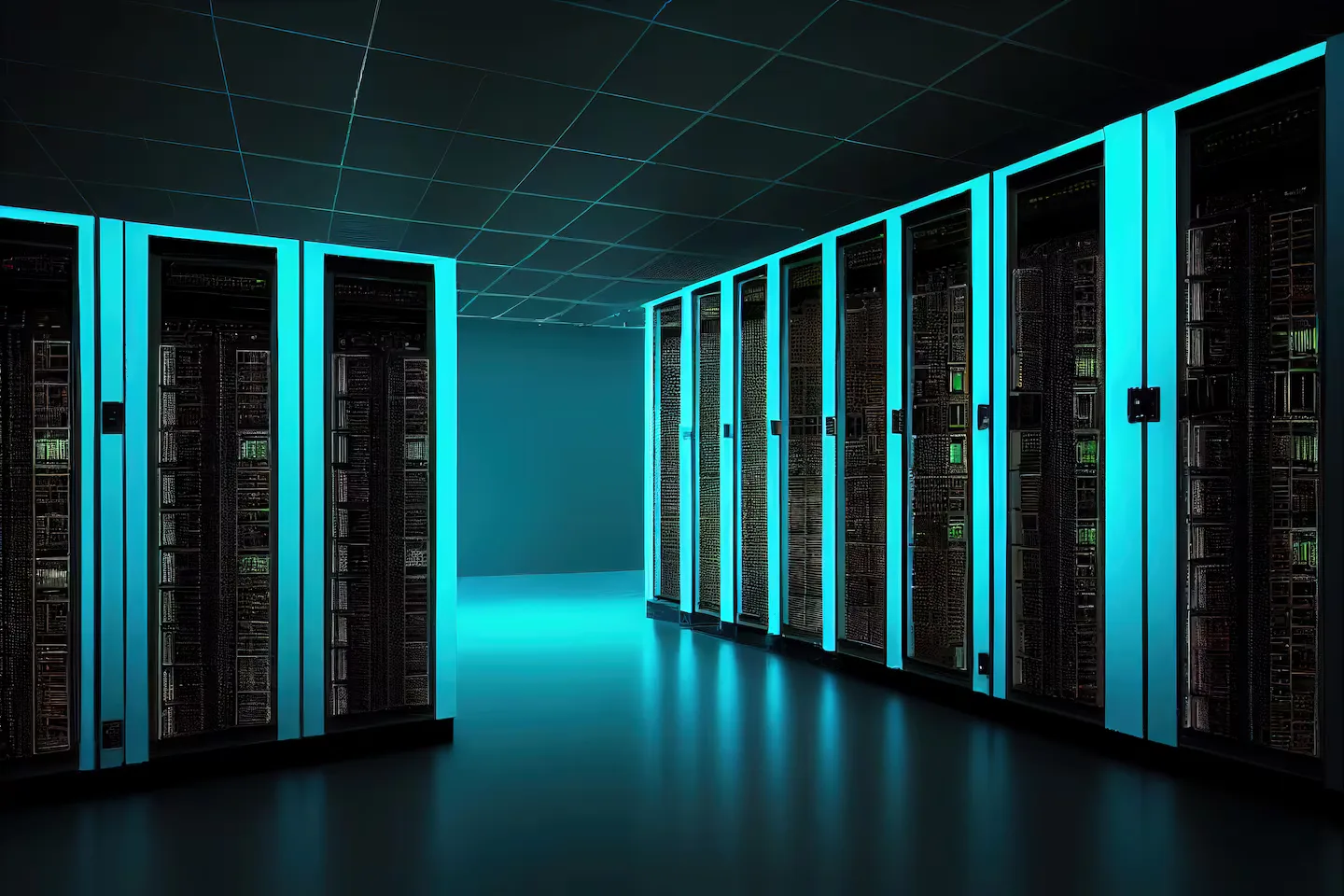
A data center is not simply a building full of computers. It is the contemporary equivalent of an industrial plant in the 21st century. There live the servers that process searches, store information, train algorithms, and enable artificial intelligence systems used by millions of people simultaneously.
In the case of advanced AI, the energy and computational demand grows exponentially. Training modern models requires millions of calculations per second for weeks or months. This makes data centers critical global infrastructure, comparable to ports, refineries, or power plants.
The race to build these complexes is redefining technological geopolitics. Countries capable of hosting them move into strategic positions within the global digital ecosystem, which is why Argentina's choice is not casual.
Why does OpenAI choose Patagonia as the ideal location?
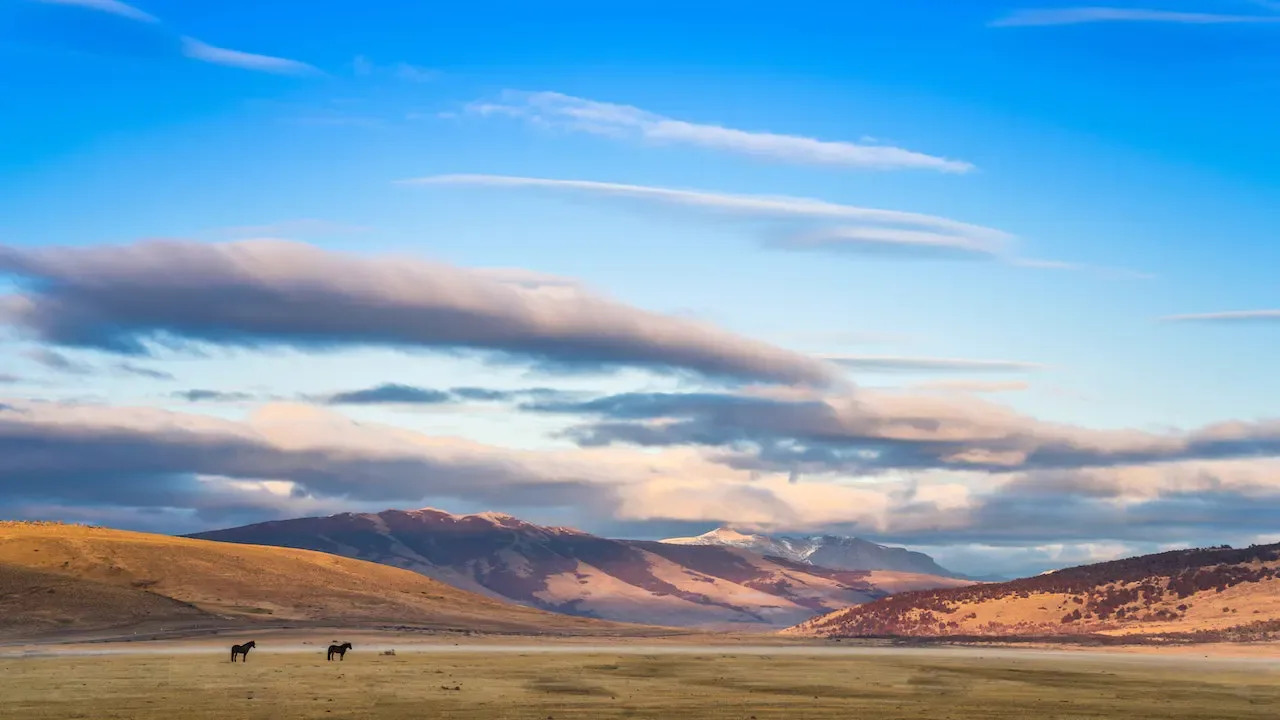
For decades, Patagonia was seen as a remote region. Today, that apparent disadvantage becomes a technological strength for the following reasons:
1. Naturally cold climate
Servers generate enormous amounts of heat. In warm regions, cooling them requires costly and energy-intensive industrial systems. In contrast, the cold Patagonian climate allows for natural cooling for much of the year, reducing costs and energy consumption.
2. Abundant renewable energy
The region has one of the largest wind potentials in the world, as well as established hydroelectric infrastructure and excellent conditions for solar energy. For tech companies looking to reduce their carbon footprint, this represents a decisive competitive advantage.
3. Low population density
Data centers require large expanses of land and operational stability. Patagonia offers enough space without putting pressure on densely populated urban areas.
4. Strategic connectivity
Although many still perceive it as isolated, the region is crossed by high-voltage power lines and fiber optic corridors that connect South America with international networks.
In technological terms, Patagonia combines silence, energy, and stability: three essential elements for global digital infrastructure.
Known advances and timeline
As mentioned earlier, the project was formally announced on October 10, 2025, following a meeting at the Casa Rosada between President Milei, Argentine officials, and OpenAI executives (led by Chris Lehane). OpenAI and Sur Energy signed a Letter of Intent to explore this large-scale data center. Sur Energy, part of the Sur Ventures group, will lead the energy development and infrastructure (with a consortium of global cloud companies), while OpenAI would be the main buyer of energy and computing capacity. The project is framed within the RIGI (Incentives Regime for Large Investments) of Argentina, which offers tax and currency benefits for long-term foreign investments. In this context, the first stage of the center would be 100 MW (starting in 2027) and then scale up to 500 MW in subsequent development stages.
The plan envisions a phased construction. The first phase aims to develop approximately 100 MW of operational capacity by the end of the decade, with subsequent expansions to reach the maximum target. This gradual approach reduces financial risks and allows the project to adapt to global technological evolution. It is expected that all energy will come from clean sources (hydroelectric, wind, and solar) available in Patagonia.
Although the project is still in its initial phase, there are already verifiable advances:
- Signing of a Letter of Intent between OpenAI and Sur Energy.
- Preliminary technical assessments on energy availability.
- Analysis of possible locations near urban Patagonian poles.
- Integration of the project within the Argentine incentives regime for large investments.
- Initiation of studies on environmental impact and logistical feasibility.
Sur Energy confirmed that it has sealed agreements with Central Puerto and Genneia for energy provision. Genneia detailed that it signed a Memorandum of Understanding (MoU) with the Stargate Argentina project, “a strategic initiative that positions our country as a key player in the development of Artificial Intelligence (AI) globally. The company expresses its enthusiasm for joining this highly relevant project, which promises to significantly boost the country's technological ecosystem, ensuring efficient and competitive energy. Genneia's participation will focus on its role as the provider of the renewable energy necessary for the project's operation.”
An investment that could redefine the Argentine economy
The potential impact goes far beyond the construction of a technological building.
Productive transformation
Argentina has historically exported natural resources. A global-scale data center introduces the possibility of exporting something different: computational capacity.
Just as the country exports energy or food, it could export digital processing, becoming a provider of infrastructure for the knowledge economy.
Attraction of technological investments
The presence of advanced AI infrastructure often attracts startups, research laboratories, and technology companies that need proximity to computing capacity.
This could generate a regional technological ecosystem with multiplier effects on education, innovation, and specialized employment.
Development of local talent
Universities and research centers would have access to unprecedented collaboration opportunities. The demand for engineers, technicians, and data specialists could drive new careers and educational programs.
The regional impact: beyond the physical work
For Patagonian cities, the arrival of an investment of this magnitude could mean a structural transformation. During construction, thousands of workers would be needed in engineering, logistics, transportation, and services. Although the permanent operation would employ fewer people, the indirect effects could be significant:
- expansion of urban infrastructure,
- improvements in digital connectivity,
- growth of the services sector,
- increase in regional commercial activity.
Patagonia could shift from being a territory primarily associated with tourism and energy to also becoming an international technological hub.
Repercussions in potential project locations
So far, the exact site where the center will be installed has not been defined, although unofficially it is indicated that Patagonian locations with electrical infrastructure and access to cold water are being considered, possibly in Neuquén or Río Negro.
Economic expectation
Several provincial governments see the initiative as a historic opportunity to diversify local economies traditionally dependent on hydrocarbons or seasonal tourism.
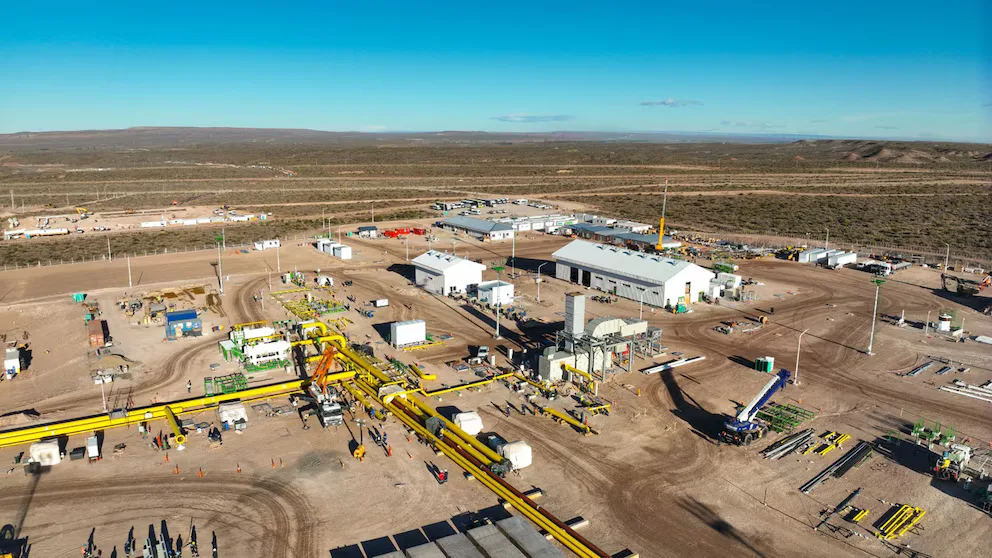
Tratayén is one of the recommended places in Neuquén, the head of the Perito Moreno gas pipeline.
This is not a minor detail for the candidate provinces to secure this project, as the size of the investment would change the economic equation of any management. Project leaders explain that the chosen location must have certain particular characteristics, such as access to energy, fiber optic connectivity, access to water, and the ability to accommodate thousands of people who will work in construction and later those who will be in charge of operations.
The communities in these areas watch the announcement with expectation and some caution: on one hand, the arrival of such investment can bring construction, temporary jobs, and improvements in local infrastructure; on the other hand, many citizens await environmental impact studies and social dialogue. Some recent examples in the region show projects that faced resistance if risks to water resources or fragile ecosystems are perceived. No specific protest against Stargate Argentina has emerged yet, but there are growing public debates about the sustainability of installing a “megacenter” in Patagonia. Authorities and Sur Energy will need to consider these concerns when defining project details.
The great energy debate
A data center of 500 MW raises profound questions about the use of national energy; some specialists argue that projects of this scale will require expanding Argentina's energy infrastructure, which could benefit the entire electrical system. Others warn that allocating large amounts of energy to digital processing could create tensions if renewable generation is not simultaneously expanded.
The discussion reveals something deeper: energy no longer only drives physical industries; it now also powers artificial intelligence. An analysis by Fundar identifies four strategic lines of action that the Argentine state should promote to maximize the benefits associated with the installation of data centers oriented toward artificial intelligence.
First, it raises the need to review the fiscal framework under which these infrastructures would operate, considering that their direct tax contribution is significant mainly when there are tax schemes linked to real estate value and installed technological equipment.
Secondly, the report emphasizes the importance of analyzing the capacity and resilience of the national energy system, both in generation and electrical distribution, in the face of the high level of demand that such projects can generate on a large scale.
It also proposes advancing specific environmental regulations that particularly consider critical variables such as efficient water use and energy efficiency standards, central aspects in the sustainable operation of data processing centers.
Finally, it highlights the convenience of establishing cooperation agreements with investing companies to promote the training of specialized local talent and foster the development of a national supplier chain capable of manufacturing or assembling components associated with these technological infrastructures.
On the other hand, the CEO of OpenAI explained in his blog that, in the long term, the cost of accessing artificial intelligence should progressively approach the cost of electricity, becoming a widely accessible resource. In this context, he noted that an average interaction with ChatGPT requires about 0.34 watt-hours of energy, a consumption comparable to that of an electric oven for just over a second or a high-efficiency lamp lit for a few minutes. In water terms, each query demands approximately 0.000085 gallons of water, equivalent to about one-fifteenth of a teaspoon.
In the same vein, academic research focused on digital sovereignty and data centers argues that current technological innovations—such as closed-loop cooling systems or cooling solutions that do not use water directly—allow for the reuse and condensation of water resources, significantly reducing total consumption. These solutions demonstrate that it is possible to reconcile the expansion of digital infrastructure with increasingly demanding environmental objectives.
Digital Extractivism or Technological Leap?
One of the most interesting debates revolves around the idea of "digital extractivism." Critics argue that global companies could exploit local resources—cheap energy and land—while the greater economic value remains abroad.
Proponents of the project respond that technological infrastructure generates long-term effects that cannot be measured solely in direct employment: knowledge transfer, international positioning, and acceleration of the innovative ecosystem.
The difference between both scenarios will depend on how they are negotiated:
- participation of local suppliers,
- technological training programs,
- investment in national research.
For their part, environmental organizations and local communities raise legitimate questions:
- water consumption for cooling,
- impact on sensitive ecosystems,
- sustained electrical demand.
The challenge will be to balance technological development and environmental preservation, a historical tension in Patagonia.
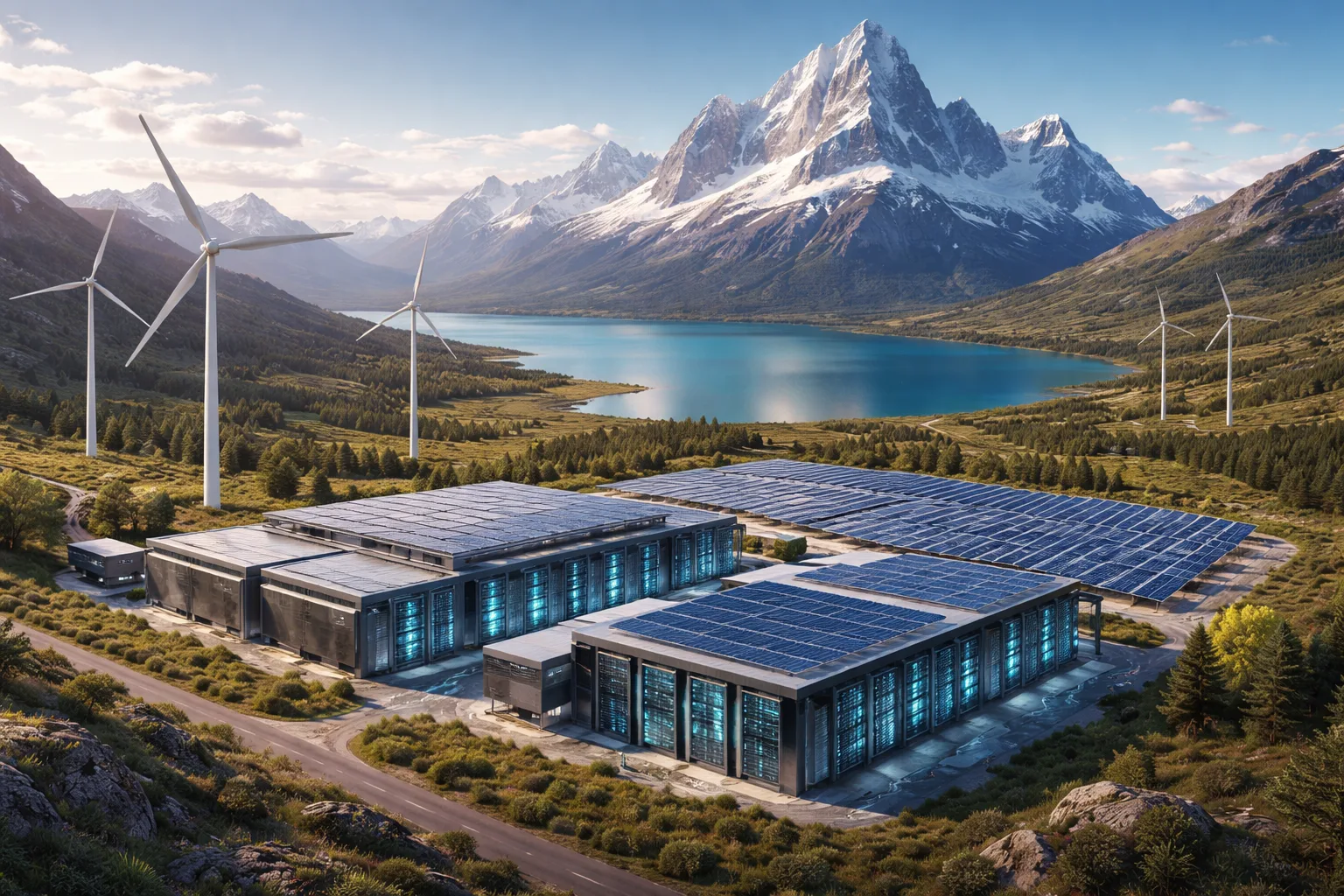
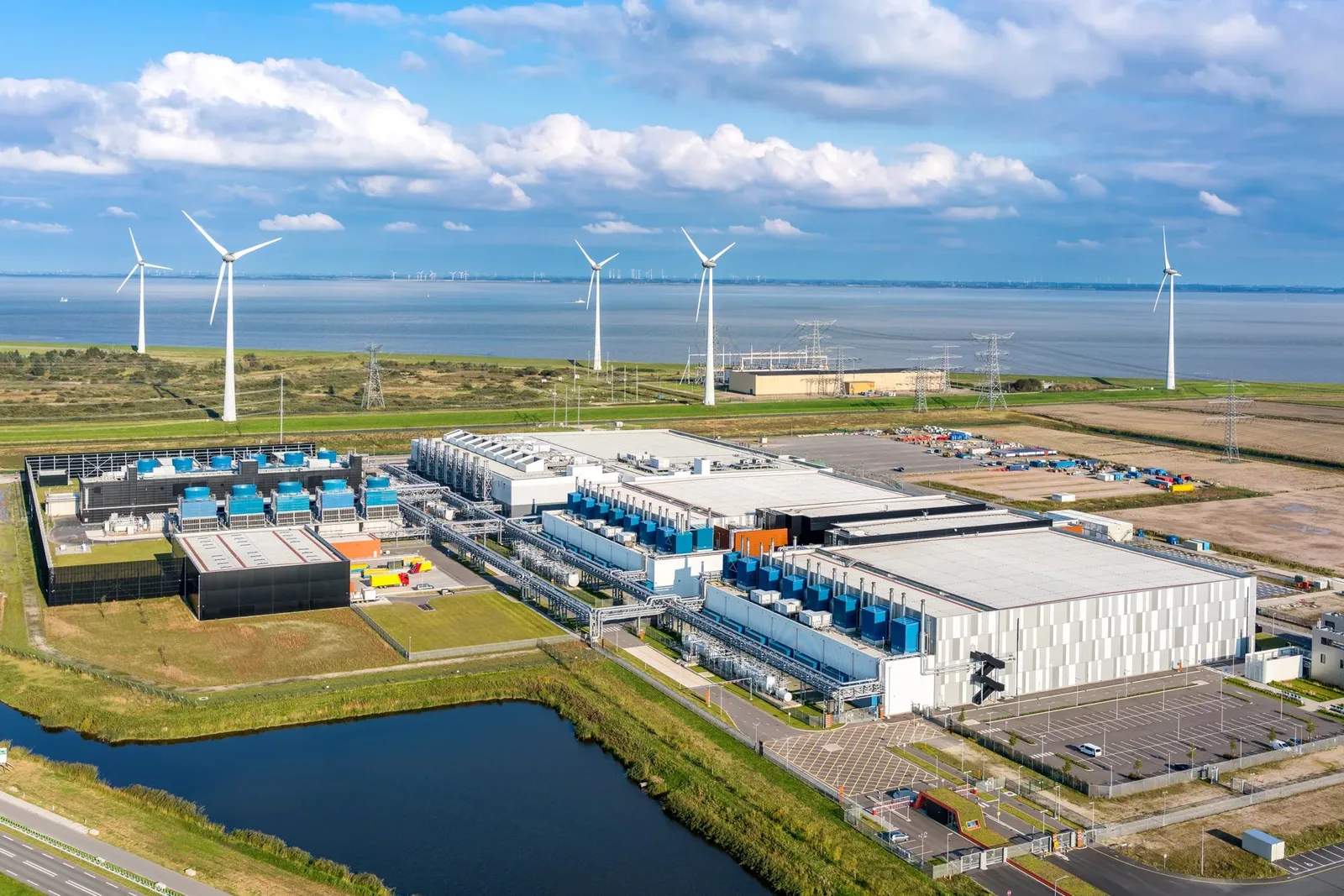
AI imagines its new data center with renewable energy in Patagonia
OpenAI in Patagonia as the Symbol of a New Era
There is also a symbolic component that is hard to ignore. For centuries, Patagonia has been imagined as a distant frontier, a land of wind and exploration. That one of the most advanced technologies on the planet chooses to settle there represents a powerful narrative shift.
The "end of the world" could become one of the nerve centers of global artificial intelligence thought. In a way, history seems to close a circle: where explorers once arrived seeking maps, now engineers arrive seeking infinite computational capacity.
Real Risks That Still Need to Be Addressed
Despite the enthusiasm, the project faces significant challenges:
- Argentine macroeconomic stability,
- long-term regulatory rules,
- sufficient energy infrastructure,
- social acceptance of the project,
- verifiable environmental guarantees.
History shows that large technological investments require sustained predictability over decades, something Argentina will need to demonstrate to realize the project.
Risks and Challenges
Ultimately, a project of this size logically faces significant challenges:
- Energy consumption and resources: A 500 MW data center consumes an enormous amount of electricity (equivalent to the consumption of a city of ~250,000 inhabitants). Although it will use renewable energy, it requires redesigning the national electricity supply: 500 MW would be about 3% of Argentina's total demand. Additionally, the cooling process requires large volumes of cold water, a critical resource in some areas of Patagonia, which raises concerns among environmentalists and local communities.
- Few direct jobs: Large-scale data centers are highly automated. Despite the impression of mega-investment, they typically generate relatively few permanent jobs (on the order of hundreds of workers for the entire complex). Experts speak of "infrastructure rather than industry": servers operate 24/7 with a reduced staff. This raises doubts about how much added value will actually remain in the region.
- Digital extractivism: Critics warn about the model of "digital extractivism," where a foreign multinational exploits local resources (energy, water, land) in exchange for marginal economic benefits for the community. If most of the technology, capital, and profits are foreign, the national benefit may be limited. There is a strong insistence on the need to ensure technology transfer, local training, and participation of Argentine companies in the value chain so that the project promotes sustainable development rather than simply exporting energy.
- Environmental impact: Recent studies remind us that the high computational demand of AI already represents a growing percentage of global data center consumption, doubling electricity consumption every few years. The construction and operation of the center in Patagonia could generate environmental impacts (carbon footprint, land use, water consumption). Although clean energy will be promoted, resource extraction and the project's footprint must be monitored.
Conclusion: When the Patagonian Wind Fuels the Digital Future
The possible arrival of OpenAI in Patagonia is not just an economic news item. It is a sign of the times. The world is building a new invisible infrastructure based on data, algorithms, and energy. And for the first time, Argentina could occupy a central place in that transformation.
There are still open questions, negotiations to be finalized, and challenges to be resolved. But the mere possibility that one of the most advanced digital brains on the planet operates among mountains, steppes, and southern winds already redefines how the future of the country is imagined. Perhaps, in a few decades, when the origins of the Latin American era of artificial intelligence are discussed, the story will begin here: in the deep south, where the silence of Patagonia could become the engine of the next technological revolution.
If we think that the economic history of Patagonia has always been linked to great horizons: first exploration, then energy, later tourism and conservation. Today, a new frontier is beginning to take shape. It is no longer just about oil, wind, or endless landscapes, but about something invisible and, at the same time, profoundly transformative: artificial intelligence.
The announcement of the project to build a gigantic data center powered by OpenAI in Argentinian Patagonia opened a historic debate about the role the country can play in the new global economy based on data, computing, and knowledge. It is not simply a technological investment: for many analysts, it represents Argentina's entry into a new industrial stage, comparable —in symbolic scale— to the arrival of the railroad or the development of the large hydroelectric dams of the 20th century.
Frequently Asked Questions about the OpenAI Project in Patagonia
Where will the data center be built?
There is still no official confirmation. Various locations within Argentinian Patagonia with adequate energy and logistical availability are being analyzed.
When could construction begin?
The project is in the technical evaluation phase and the definition of development stages.
How much energy would the data center consume?
It could reach up to 500 MW, equivalent to the approximate electrical consumption of a medium-sized city.
Will it generate local employment?
Mainly during construction and through associated technological services and infrastructure.
Why is Patagonia attractive for AI?
Because of its cold climate, abundance of renewable energy, and low population density.
In summary
The OpenAI project to build a data center in Argentinian Patagonia aims to install artificial intelligence infrastructure powered by renewable energy. The investment could exceed 25 billion dollars and position the country as a new technological hub in Latin America, combining Patagonian energy resources with the growing global demand for AI processing.
Sources Consulted
- Reuters – coverage of the projected investment in the data center in Argentina
- Official statement from OpenAI on artificial intelligence opportunities in Argentina
- Buenos Aires Herald – announcement of the technological project in Patagonia
- La Nación – economic and technological analysis of the Stargate Argentina project
- TechRepublic – international assessment of the investment in AI infrastructure
- Corporate Knights – environmental and energy analysis of the project
- Chequeado – verification and explanation of the data center announcement
Article prepared by PatagoniaMás — a medium specialized in tourism, regional development, and innovation in Argentinian Patagonia.
Share
Rate this story
No ratings yet
0 comments
No comments yet. Be the first!
You may also like
 Discussion on marine conservation in Puerto Madryn
 Certification of tourism guides in Parque Nacional Alerce Andino
 Long weekend with sports events in Puerto Madryn
 WindFest 2026 comes to the El Cóndor resort
 Complete Guide to Bariloche: Your incredible trip starts here!
 Getaway to Bariloche: 3-Day Itinerary and My First Time in the Snow at 50
 10 Days in Patagonia: The Ultimate Itinerary for Argentina & Chile
 Route 40 in Patagonia: The Complete Road Trip Guide (Road Conditions, Stops & Best Time to Go)