Mount Fitz Roy: The Capital of Trekking
In the northern part of Los Glaciares National Park lies Mount Fitz Roy, a sought-after destination for climbers from around the world due to its unique conditions for climbing and extreme sports. It is a challenge for thrill-seekers and adventurers, although they must be experienced climbers…
Machine translation.
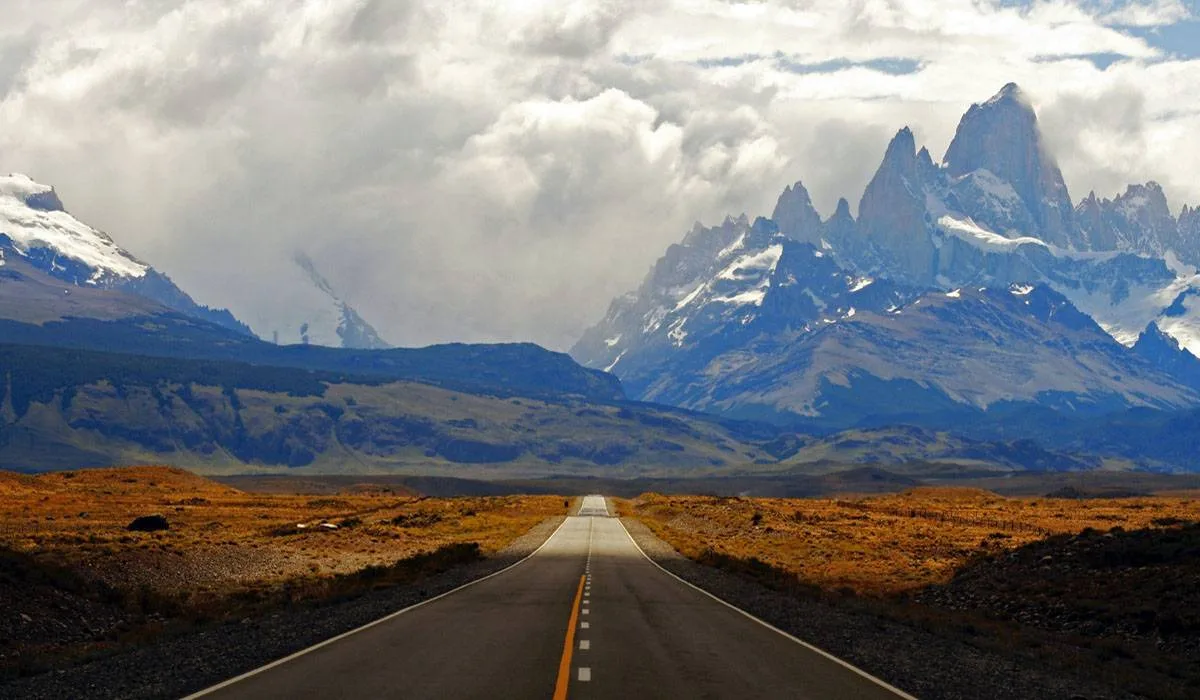
The picturesque town of El Chaltén is located at the foot of Mount Fitz Roy, the Argentine capital of Trekking. It is named in honor of the mountain and is the access point from the Argentine side heading west along Route 40, entering through Los Glaciares National Park.
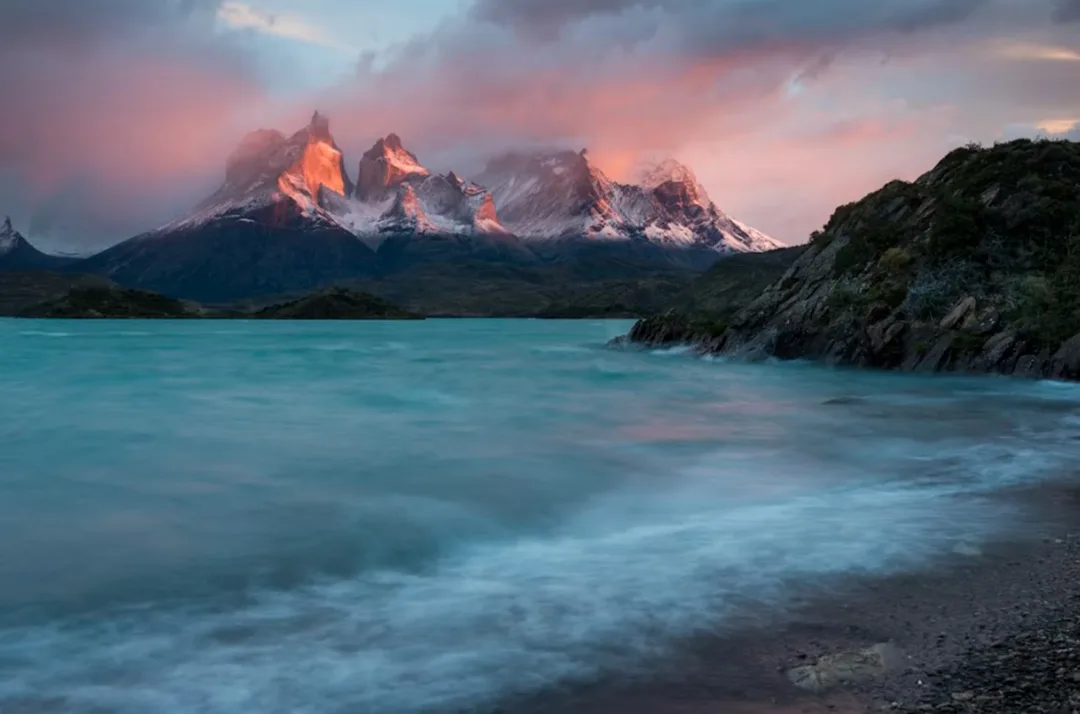
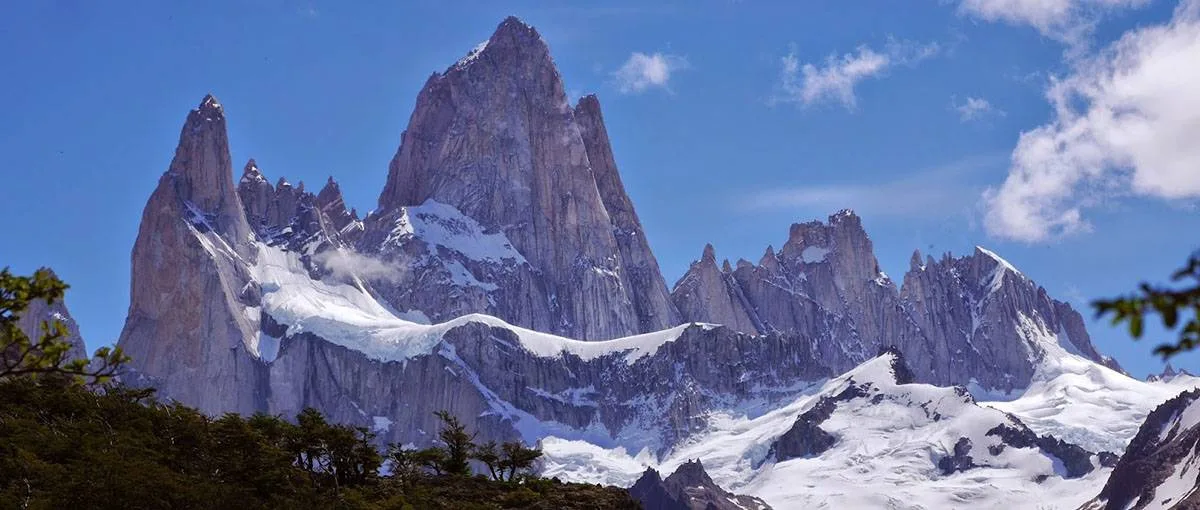
In the northern part of Los Glaciares National Park lies Mount Fitz Roy, a sought-after destination for climbers from around the world due to its unique conditions for climbing and extreme sports. It is a challenge for risk and adventure lovers, although they must be experienced climbers. The main feature of Mount Fitz Roy is that it forms an almost vertical wall of slippery slabs; the weather is extreme and can become dangerous at times because it changes suddenly. Not being prepared for a sudden storm can be perilous.
Despite standing at a height of 3,405 m, which does not match other giants of the Andes, Mount Fitz Roy has a reputation for "extreme difficulty" for climbers, as its polished, nearly vertical slabs are very slippery, requiring experience and skill, in addition to the difficulty of withstanding powerful winds, snowfalls, and sudden changes in weather conditions.
Mount Fitz Roy is the symbol of Santa Cruz and is included in the coat of arms and flag of the province, and it is also featured in the coat of arms of the town of El Chaltén. It holds symbolic power with a central place in Tehuelche mythology in relation to its hero named Elal.
As mentioned, the village of El Chaltén is named in honor of the mountain and is the way to access from the Argentine side, heading west along Route 40, entering through Los Glaciares National Park. A few kilometers south of this mountain begins the last undefined border area between both countries, reaching up to Cerro Murallón, which is located further south. The mountain is situated within two national parks, in Chile: Bernardo O'Higgins and in Argentina, Los Glaciares National Park.
In the past, reaching near the mountain was difficult, but that has changed thanks to the development of the towns of El Chaltén and Candelario Mancilla in both countries. Additionally, the nearby towns of El Calafate in Argentina and Villa O'Higgins in Chile have international airports.
A town with a bohemian and relaxed atmosphere
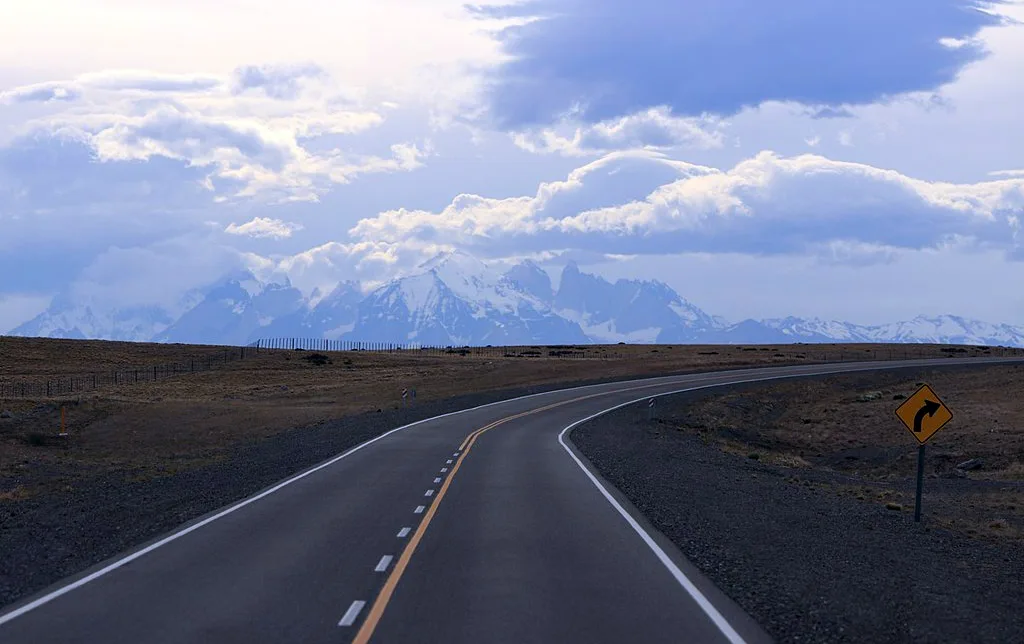
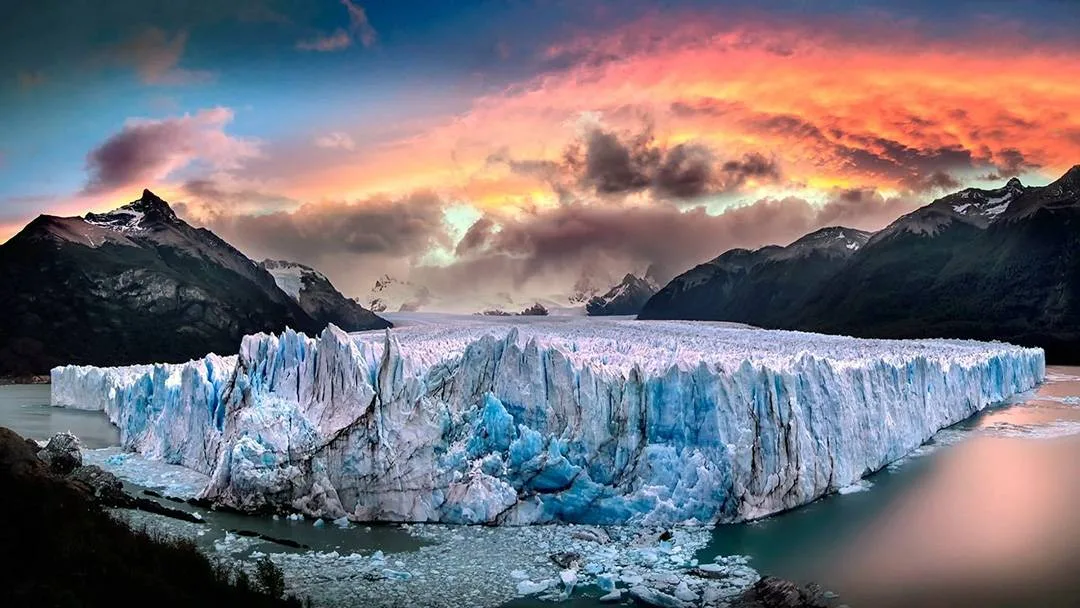
At the foot of the mountain lies the picturesque town of El Chaltén. With a bohemian and relaxed atmosphere, the backpacker style is ideal for visiting and admiring the stunning views, home to condors. A good tip, while enjoying the imposing nature, is to try the excellent craft beers; you can also travel by buses that connect El Chaltén with another major city, El Calafate, which has an International Airport, numerous hotels, and dining establishments. Generally, the excursion services that can be contracted offer transportation from El Calafate to El Chaltén. It is a beautiful journey through the Patagonian steppe covering the 220 km that separate both towns; once the detour to the village is taken, the image of Lake Viedma appears. This lake is 80 kilometers long, being the longest of the lakes formed by glacial abrasion, which occurs from the Viedma Glacier, from where it receives the continental ice that ultimately flows into the lake.
Welcome to Adventure
The name Chaltén comes from the aonikenk or Tehuelche language and means "smoking mountain," due to the clouds that almost constantly crown its summit, which, combined with the ancestral name, has led to the mistaken belief that it was a volcano.
A bit of History
Perito Moreno named it Fitz Roy on March 2, 1877, in honor of the captain of the HMS Beagle, Robert Fitz Roy, who explored the Santa Cruz River in 1834. History tells that Fitz Roy's family granted P. Moreno the maps of the area made during the captain's expeditions on the condition that some mountain be named after the British explorer. However, in recent years, Argentina's official maps have recovered the ancestral name of Chaltén; this does not happen in the official cartography of Chile.
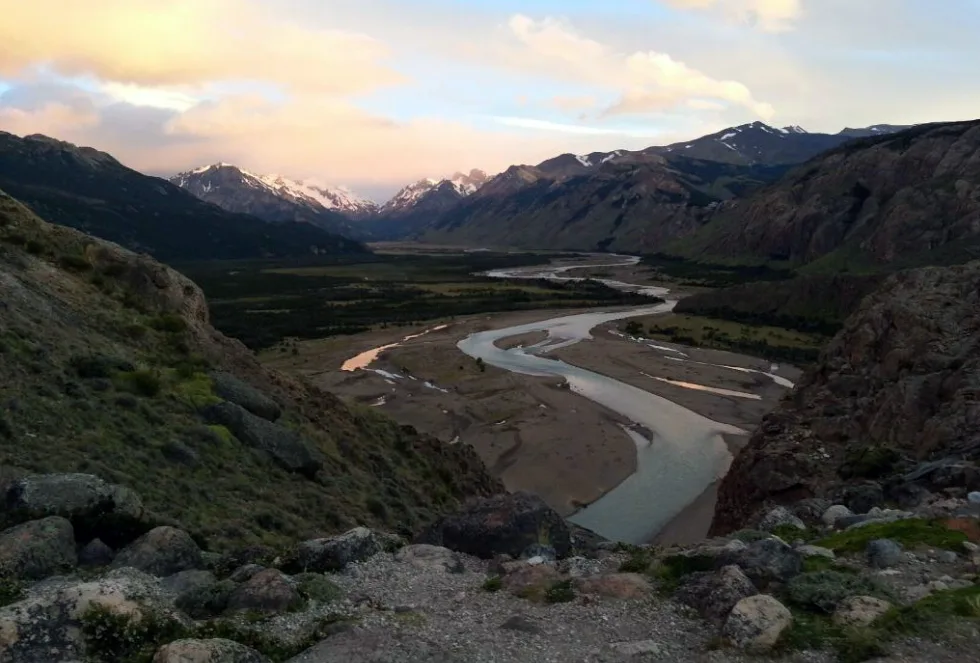
Mirador Rio de las Vueltas
El Chaltén is the right place for trekking
El Chaltén is the Argentine Capital of Trekking, as it is an impressive natural setting, with many options for walking, climbing, excursions, or strolls. Before arriving, it is striking to see the spectacular mountains and glaciers that make this corner of Patagonia unique. In short, if you love adventure sports and want to do much more than admire the stunning views, you are in the right place, the national capital of trekking.
Self-guided activities can be done, most of which are free and do not require prior mountain experience, although for the more demanding routes, it is advisable to hire a guide for your peace of mind and to fully appreciate each place.
Activities to do in El Chaltén
The excursions that can be contracted in the trekking area generally take several days; you should bring the basic items that we will mention below, to avoid carrying too much weight in your backpacks. Camps are set up within Los Glaciares National Park.
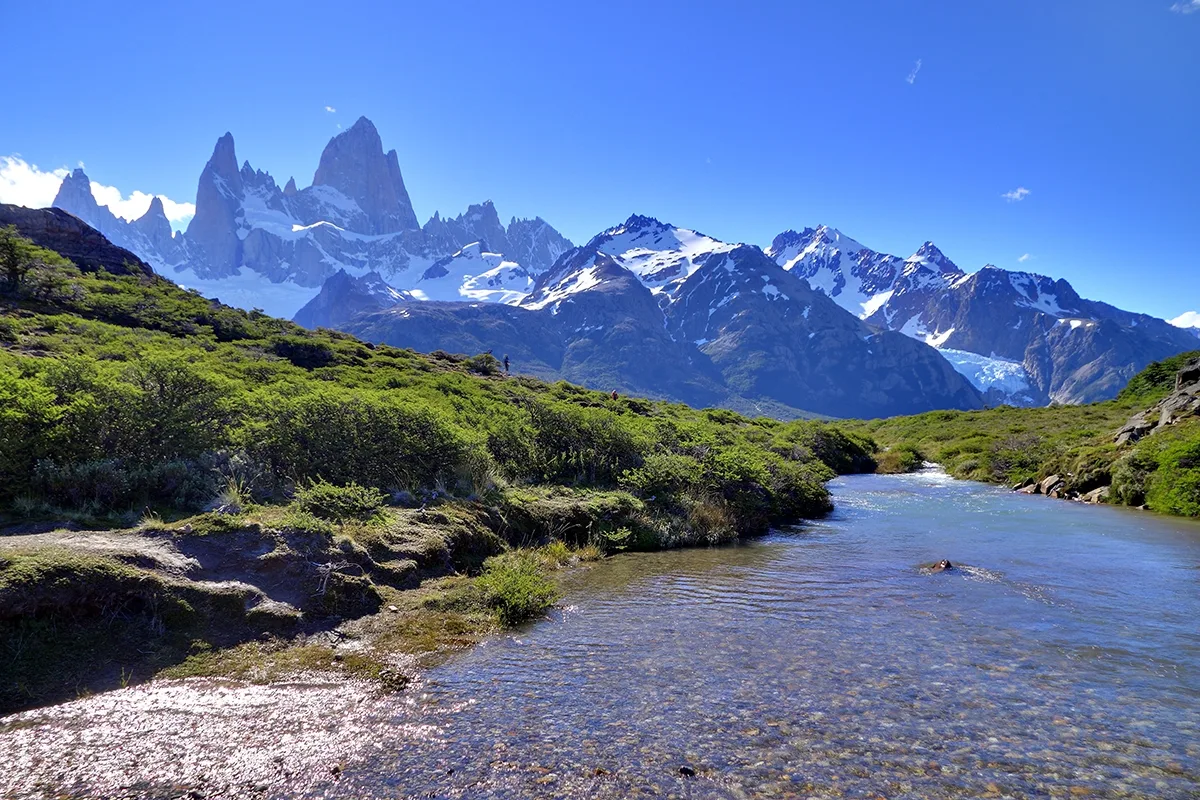
On the first day of hiking, the Río de las Vueltas is usually traversed until reaching the first viewpoints of Cerro Fitz Roy, then continuing to Laguna de Los Patos, to arrive at the campsite at Laguna Capri. It is a campsite with double or single igloo-type tents, with a mattress for each person along with a sleeping bag and inner sheet. This campsite is well-equipped, with a dining area that includes a table, benches, and dishes, as well as a kitchen tent, and the bathrooms are of the latrine type.
Accommodation: Campamento Laguna Capri - Double or single base (wilderness area)
Meals: Breakfast, Box Lunch, and Dinner From / To: El Calafate / El Chaltén / Laguna Capri
Duration: 3 hours and Difficulty: Intermediate
Recommended gear for trekking in Patagonia
In addition to the usual luggage for a hiking route, for a trip to Patagonia we cannot forget:
Backpack for luggage; its weight should not exceed 15 kgs and another daypack for personal effects.
Waterproof breathable pants and rain jacket. Gloves, hat/balaclava made of fleece or wool, neck scarf, 3/4 pairs of thick socks. Thermal shirts – brands like thermastat, polartec…-, fleece or thin sweater (100)-, thick fleece (200) or Polartec 200, waterproof breathable jacket, thermal leggings, trekking pants.
Trekking boots or water-resistant footwear (like Goretex) for hiking and spare shoes like sports sneakers. Sunglasses with UV filter for high solar radiation; sunscreen and lip balm. Headlamp with battery. Trekking poles (recommended). Personal medication (include ointment for sprains and bruises).

Trekking
By staying in El Chaltén, the main advantage is that general luggage is left in the village and only a backpack with clothing, a box of supplies, and only what is necessary for 2 nights of camping needs to be carried. The guides generally take care of carrying tents, sleeping bags, and utensils for the dinners.
See more information in our travel guide
Share
Rate this story
No ratings yet
0 comments
No comments yet. Be the first!
You may also like
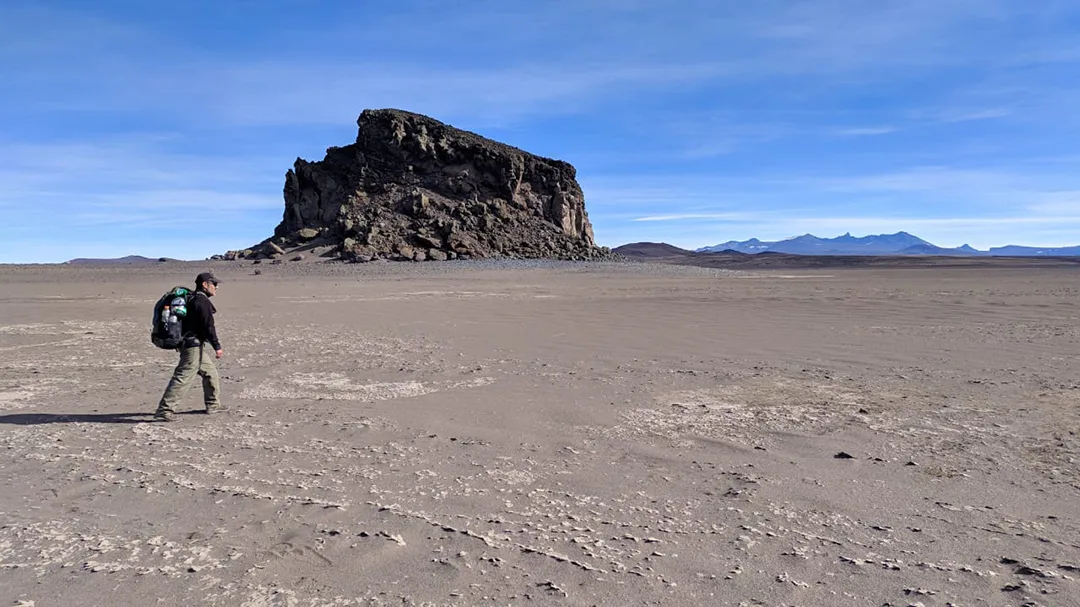 Trekking in the Lake Buenos Aires Plateau: Route, experience and tips for hikers in Patagonia
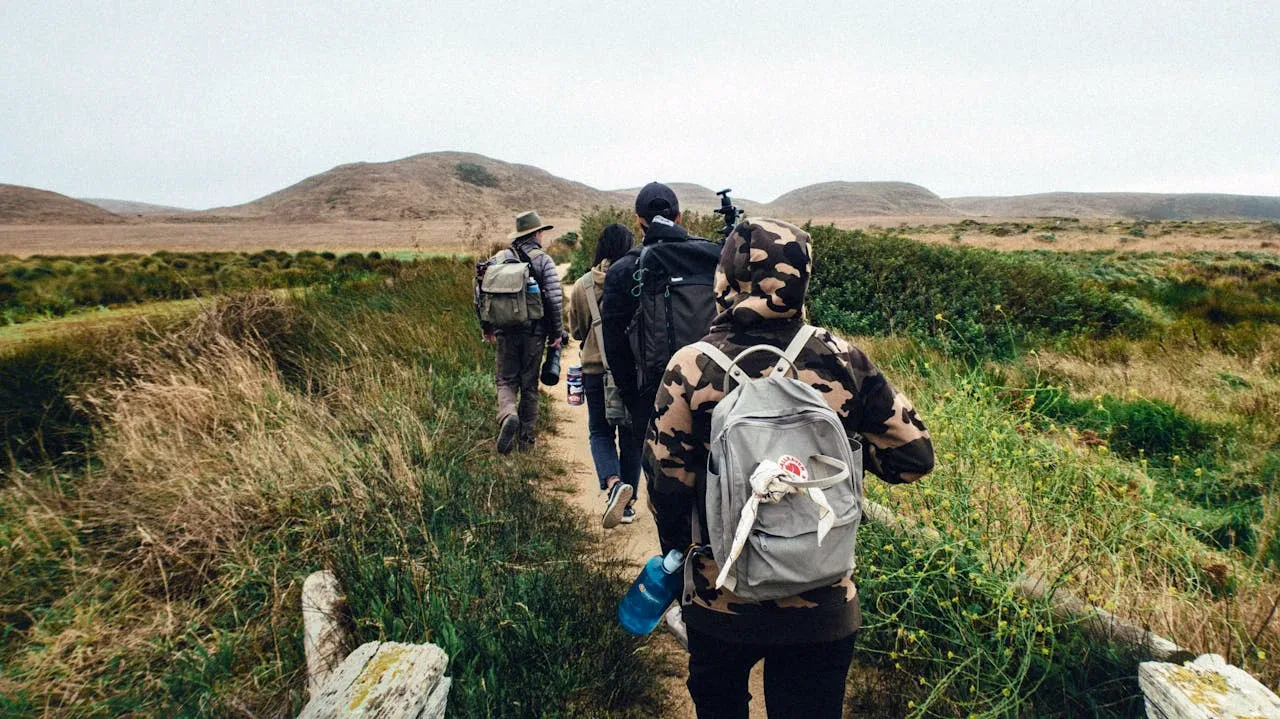 Discovering the Best Trekking Routes in Patagonia: A Trekker's Dream
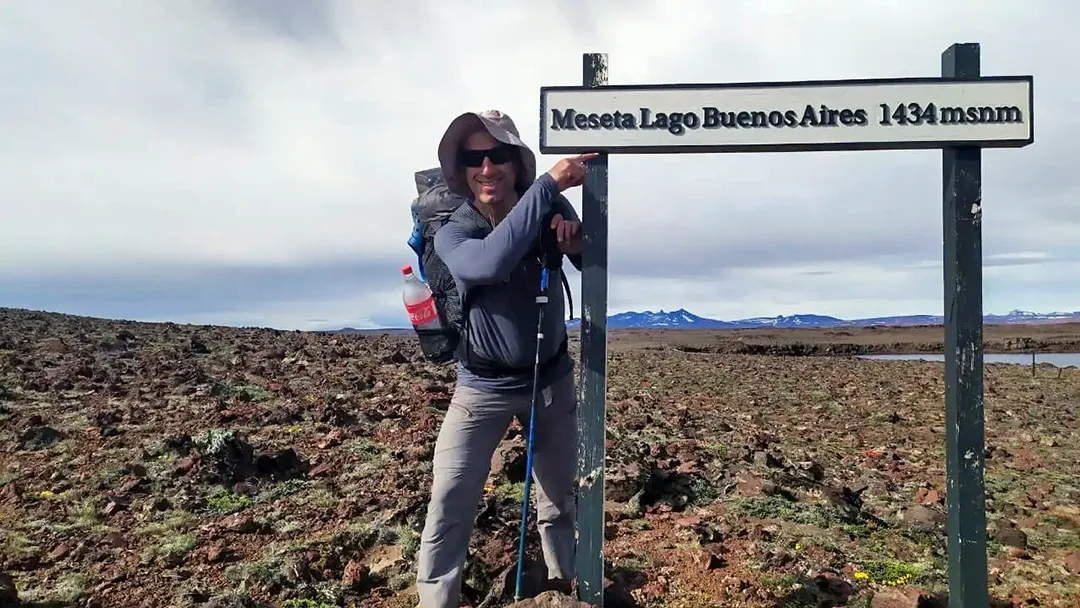 Gran Santa Cruz Trail: Complete Guide to the Most Extreme Trekking in Patagonia
 Sport Fishing in Patagonia Argentina: Where to Go, What to Fish and When to Fish
 Trail Running in Patagonia: A True Southern Adventure
- Best Trekking Routes in Patagonia
 The Ultimate Guide to Hiking in Patagonia
 Trail in Ushuaia: Challenge and Adventure at the End of the World